15 January 2554

Meditation

Meditation for Beginners

                          The True Goal of Marriage 

By Luang Phaw Dhammajayo

Marriage
 
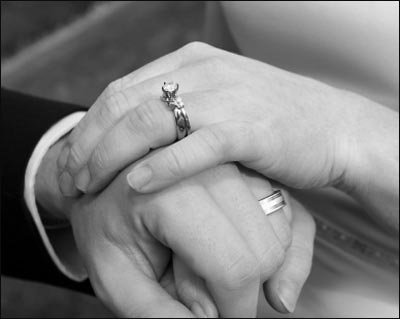
      Our love is not only given to parents, siblings, and friends, but also shared with someone who may become one’s husband or wife. If we understand the true goal of marriage, we can build a healthier relationship, and in turn spread positive energy to those around us even beyond the marriage.
 
     Some may decide to marry based on physical appearances only. This decision seems shortsighted.

 

Marriage 
 
      Since youth and beauty fade over time and burdens increase with age, a couple’s feelings will fade away too. Dissatisfaction will grow and conflicts may arise more frequently until they become irreconcilable family problems. On the other hand, if we enter into marriage hoping to find an intimate friend with whom we can build good deeds and together reach the goal of human rebirth, the expectations and results will be different. No matter how young or how old we are, each will grow, cherish, persuade, and encourage the other to do good deeds until the day we die. To this purpose, marriage is not based solely on whether we feel physical attraction for the person, but more importantly, whether this person  has similar faith, views, and beliefs. It take a long time to learn about all of these qualities in another person.
 

āļ‹āļĩāļĢāļĩāļĒāđŒāļ—āļĩāđˆāđ€āļāļĩāđˆāļĒāļ§āļ‚āđ‰āļ­āļ‡

Meditation for Beginners

Tags : #āļāļēāļĢāļ—āļģāļŠāļĄāļēāļ˜āļī #āļāļēāļĢāļ—āļģāļŠāļĄāļēāļ˜āļīāļŠāļģāļŦāļĢāļąāļšāļœāļđāđ‰āđ€āļĢāļīāđˆāļĄāļ•āđ‰āļ™ #āđ€āļ›āđ‰āļēāļŦāļĄāļēāļĒāļ—āļĩāđˆāđāļ—āđ‰āļˆāļĢāļīāļ‡āļ‚āļ­āļ‡āļāļēāļĢāđāļ•āđˆāļ‡āļ‡āļēāļ™ #āļ„āļ§āļēāļĄāļĢāļąāļ #āļ„āļ§āļēāļĄāļŠāļąāļĄāļžāļąāļ™āļ˜āđŒāļ—āļĩāđˆāļ”āļĩ #āļāļēāļĢāļ—āļģāļ„āļ§āļēāļĄāđ€āļ‚āđ‰āļēāđƒāļˆāđƒāļ™āļ„āļ§āļēāļĄāļĢāļąāļ #āļāļēāļĢāļŠāļĢāđ‰āļēāļ‡āļ„āļ§āļēāļĄāļŠāļąāļĄāļžāļąāļ™āļ˜āđŒ #āļ„āļ§āļēāļĄāđ€āļŠāļ·āđˆāļ­ #āļ„āļļāļ“āļ˜āļĢāļĢāļĄ #āļāļēāļĢāļ—āļģāļ”āļĩ #āļāļēāļĢāļ—āļģāļŠāļĄāļēāļ˜āļī #āļāļēāļĢāļžāļąāļ’āļ™āļēāļ•āļ™āđ€āļ­āļ‡ #āļāļēāļĢāļŠāļ™āļąāļšāļŠāļ™āļļāļ™ #āļāļēāļĢāļŠāļĢāđ‰āļēāļ‡āļ„āļ§āļēāļĄāļ”āļĩ #āļāļēāļĢāđ€āļ•āļīāļšāđ‚āļ•āđƒāļ™āļ„āļ§āļēāļĄāļĢāļąāļ #āļāļēāļĢāđāļ•āđˆāļ‡āļ‡āļēāļ™ #āļ„āļ§āļēāļĄāļĢāļąāļ #āļ„āļ§āļēāļĄāļŠāļąāļĄāļžāļąāļ™āļ˜āđŒ #āļ„āļ§āļēāļĄāđ€āļŠāļ·āđˆāļ­
āļ›āļīāļ”āļāļēāļĢāđāļŠāļ”āļ‡āļ„āļ§āļēāļĄāļ„āļīāļ”āđ€āļŦāđ‡āļ™

āļšāļ—āļ„āļ§āļēāļĄāļ—āļĩāđˆāđ€āļāļĩāđˆāļĒāļ§āļ‚āđ‰āļ­āļ‡