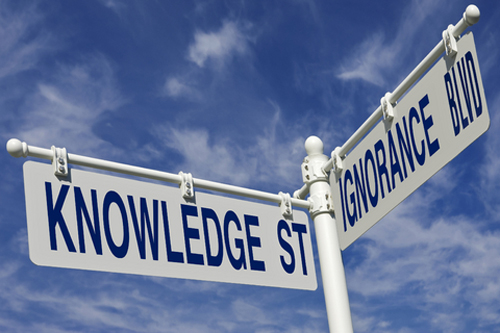
Sometimes when we hear something about someone, we judge that person solely by what we hear, not by what we know. We may make a decision about or wrongly because of misunderstandings. This mistake can lead to a lack of morals in our society.
It was due to the great compassion of the Lord Buddha that he deigned to teach Noble Discipline, not only for monks, but for householders too, in the form of Noble Self-Discipline for Householders [gihivinaya], as a guideline for achieving happiness in life and developing society.
All that has been mentioned in the forgoing chapter are virtues which need to be instilled in the hearts of the people destined for self-improvement-because anyone with positive core values has the seeds of growing up into the sort of person for whom society is crying out.
A good person is a person with a clean or pure mind. A pure mind enables anyone to know how to respond well to his duty and to our society. There is goodness within every human being. How do we encourage bringing this goodness into consistent practice?
Responsibility is the mindfulness to perform those actions that promote the greater good for yourself and others. When we are responsible, we contribute to the well being of ourselves and others. To be responsible we must have brave hearts and the determination to take risks to protect society from harm.
The 38 Ways to Happiness. The Third Group of Blessings. Blessing Nine :- Artfulness in Usage
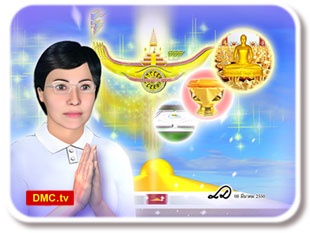
She was honored by a society to be a role model and a Dhamma-oriented teacher. She ordained as a renunciation or Brahmin nun every summer break. She seek the white path around Thailand and has been to all good temples. Why she ends up at Dhammakaya Temple? Let's follow.
The 38 Ways to Happiness. The Fifth Group of Blessings.
The 38 Ways to Happiness. The Second Group of Blessing. Blessing Four :- Living in an Amenable Location
The 38 Ways to Happiness. The Fifth Group of Blessings. Blessing Seventeen :- Looking After One's Extended Family.