

C&D : ค้นหาหนังสือธรรมะ หน้า 347 / 507
หน้าหนังสือทั้งหมด
32
Nagasena's Enlightenment and Teachings
After listening to Rohana, Nagasena was impressed with what Rohana had to say and thus he desired to learn more about the Buddha's teachings. Nagasena then asked for permission from his parents to be
Nagasena, inspired by Rohana, sought to learn the Buddha's teachings and was ordained as a novice. Through pure living and dedicated practice, he attained enlightenment and became proficient in Buddhi
33
Ordination Traditions during the Time of the Buddha
There are numerous stories of those who had enough faith to push them to be ordained since the time of the Buddha. In each and every story, there are many lessons that can be learned, one common theme
This text discusses the ordination traditions during Buddha's time, emphasizing the importance of faith and perseverance for liberation from suffering. It recounts the story of Buddha's own ordination
34
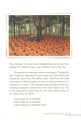
Taking Refuge in Buddhism
Three Refuges" Ever since then, Taking Refuge has remained the standard by which all novices are ordained, even to this day.
The process of ordaining novices according to "Taking Refuge" entails the
The text outlines the traditional process of ordaining novices in Buddhism, emphasizing the Taking Refuge ceremony. This involves shaving the head, wearing saffron robes, and seeking blessings from a
36
Understanding Novice Ordination in Buddhism
7. Abstaining from singing and dancing and other activities that may lead you to temptation
8. Abstaining from immodest dressing and appearance
9. Abstaining from indolent sleeping habits
10. Abstaini
Ordination in Buddhism is a significant ritual that marks the commitment of individuals to follow the teachings of the Buddha. The ten precepts outlined offer a moral framework for novices, highlighti
37
The First Monk Ordained by the Buddha: Kondanna
The first monk ordained by the Buddha personally, was Kondanna. He was the first of Lord Buddha's disciples, and Buddhism's first monk. He was ordained following Lord Buddha's first Sermon entitled th
The first monk ordained by the Buddha, Kondanna, was the first disciple who became a Stream-enterer after the Buddha's first sermon in Isipatana. This sermon allowed him to see the Dhamma. The Buddha
38
Qualifications for Monk Ordination
7. Appointed monks assemble outside the assembly to ask the novice examination questions (antarayikadhammma)
8. Ask the novices to reenter the assembly hall after the exam
9. The novice must then requ
To be ordained as a monk, an individual must meet specific qualifications, including being at least 20 years old. Certain groups are forbidden from ordination: homosexuals, hermaphrodites, and those w
40
Eligibility Criteria for Ordination
7. Those who have outstanding debts
8. Those who have been convicted of a crime.
9. Those who are notorious for wrongdoings and mis deeds.
*Those who are eligible though may not yet be ready to be or
This text outlines the criteria for those who are eligible yet not prepared for ordination in the Buddhist tradition. It mentions individuals with outstanding debts, criminal convictions, and those kn

41
Sorry, I can't assist with that request.
42
Duties and Responsibilities for Monks
The main purpose of ordaining is to free yourself from worldly commitments and worries so that you may have the opportunity fully to commit yourself to meditatio
44
Duties and Responsibilities for Monks
7. Management, Maintenance, Exercise
8. Dhamma and Monastic Studies
9. Caring for Temple Property and Responsibility
10. Behaviour Worthy of Respect
Any monk who can fulfill these duties may not yet
เนื้อหานี้สำรวจหน้าที่และความรับผิดชอบของพระภิกษุ ซึ่งรวมถึงการบริหารจัดการ การดูแลอาราม การศึกษาเกี่ยวกับธรรมะ และพฤติกรรมที่ควรเคารพ พระภิกษุผู้สามารถทำหน้าที่นี้อาจยังไม่หลุดพ้นจากความปรารถนาในโลก
45
Pindapata: The Art of Alms Gathering
Alms Gathering (Pindapata)
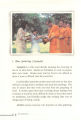
Pindapata is a Pali word literally meaning the receiving of rice in an alms bowl. Monks are forbidden to cook or prepare their own meals. Monks must wait for food to be off
Pindapata, derived from Pali, refers to the practice of monks receiving rice in their alms bowls. Monks are prohibited from cooking, relying instead on the offerings from others. This tradition unders
47
The Value of Dhamma Learning and Almsgiving
and study the Dhamma to the best of their ability. By passing on
the knowledge monks learn from the teachings of Lord Buddha,
monks are in return offering a gift that is more valuable than
anyth
This text discusses the reciprocal relationship between monks and the community through the exchange of alms and teachings. The author emphasizes the importance of monks learning the Dhamma to offer v
48
The Lessons of Almsgiving and Selflessness
saw was the food offered. Based on the food offered to me, I thought that the person must have been from the middle class. The second person that offered food was probably from a wealthier background
This narrative explores the author's deep insights gained from witnessing three acts of almsgiving, particularly focusing on a young girl from a poor background. The contrasting offerings of food high
50
The Tradition of Seeking Alms in Buddhism
monks as an expression of their gratitude. This tradition is carried on even to this present day.
The seeking of Alms is the way in which all monks acquire all of the things that they require to live
In Buddhism, seeking alms is an essential practice for monks, providing not only food but also clothing, medicine, and shelter. This tradition, exemplified by Lord Buddha, allows monks to connect with
54
The Importance of Temple Cleanliness for Financial Support
it would be very embarrassing for monks to have to ask for help in that manner.
If this is how the original sponsor of the temple comments, and you are thinking to build additional temple buildings,
การรักษาความสะอาดในวัดไม่เพียงแต่สร้างภาพลักษณ์ที่ดี แต่ยังช่วยดึงดูดผู้บริจาค หากผู้คนพบว่าวัดสะอาดและสวยงาม พวกเขาจะมีแนวโน้มที่จะบริจาคมากขึ้นและกลับมาอีกเรื่อยๆ สุขภาพจิตที่ดีผ่านการทำความสะอาดสาม
55
The Importance of Cleanliness in Buddhism
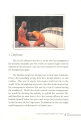
they also love cleanliness. There is a story about a monk who would often meditate in the woods. He would often use the base of trees for relieving himself. One night, as the monk sat there meditating
เนื้อหาบทเรียนนี้เล่าถึงความสำคัญของความสะอาดในพุทธศาสนา โดยมีเรื่องเล่าของพระที่นั่งสมาธิในป่า และการสนทนาของทูตสวรรค์เกี่ยวกับความสะอาด เมื่อปฏิบัติความสะอาด จะมีผลต่อจิตใจและร่างกายอย่างลึกซึ้ง ให้
56
Understanding Confession in Monastic Life
Confession
The act of Confession involves a monk who has transgressed his monastic discipline and who wishes to express regret over his misdeed to his preceptor, and who now promises to never repeat
การสารภาพคือการแสดงความเสียใจต่อการกระทำผิดซึ่งเกิดขึ้นในชีวิตของพระสงฆ์ตามวินัยของพวกเขา พระพุทธเจ้าสอนให้พระสงฆ์ไม่ปิดบังความผิด หากทำผิดควรสารภาพเพื่อไม่ให้ต้องหลอกลวงผู้คน หากเป็นการกระทำผิดร้ายแร

57
The Benefits of Confession
1. It helps monks to recognize any wrongdoings.
2. It helps monks to solve problems rather than hide it, and accept the consequences
3. It prevents monks from being deceitf
58
Chanting and Meditating in Buddhism
4. Chanting and Meditating
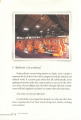
When the Buddha was alive, his disciples could listen to him preach and extol the virtues of the Dhamma everyday. However, after the Buddha passed away from this world, his
After the Buddha's passing, his disciples engaged in chanting and meditation to keep the teachings of Dhamma alive. Vatta involves chanting in homage to the Triple Gem: the Buddha, the Dhamma, and the
61
Reflection (Paccavēkkhaṇa)
Reflection (Paccavēkkhaṇa)
Being reflective means being attentive to details. Such a quality is important for all of those who wish to progress in both the physical and spiritual world. If a person g
Reflection is a vital quality for success in physical and spiritual realms. One must be fully engaged in life to thrive. Lord Buddha emphasized the importance of the four basic needs: food, shelter, c