

The Importance of Cleanliness in Buddhism : หน้า 55/105
The ordination : หน้า 55/105 Explore the moral lessons about cleanliness from a Buddhist perspective, emphasizing its spiritual significance and effects on one's mind and afterlife.
1 ครั้ง
สรุปเนื้อหา
เนื้อหาบทเรียนนี้เล่าถึงความสำคัญของความสะอาดในพุทธศาสนา โดยมีเรื่องเล่าของพระที่นั่งสมาธิในป่า และการสนทนาของทูตสวรรค์เกี่ยวกับความสะอาด เมื่อปฏิบัติความสะอาด จะมีผลต่อจิตใจและร่างกายอย่างลึกซึ้ง ให้มีความสงบและสะอาดในความคิด คำพูด และการกระทำ นอกจากนี้ ยังส่งผลต่อวิญญาณหลังจากตาย ทำให้ได้ไปเกิดในสุขาวดี ผู้ที่มีความรักในความสะอาดจะมีสีผิวดีและได้รับการนับถือในฐานะผู้สะสมบุญ รองรับการมีชีวิตที่มีความหมายในธรรมและพุทธศาสนา. นอกจากนี้ยังเชื่อว่าความสุขและความสะอาดของจิตใจจะสะท้อนถึงสนามชีวิตในสังคม.
หัวข้อประเด็น
-ความสำคัญของความสะอาด
-บทเรียนจากพระและทูตสวรรค์
-ผลของความสะอาดต่อวิญญาณ
-การปฏิบัติธรรมและชีวิต
-การเก็บเกี่ยวบุญจากความสะอาด
ข้อความต้นฉบับในหน้า
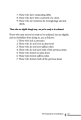
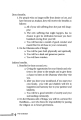
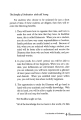
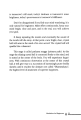
they also love cleanliness. There is a story about a monk who would often meditate in the woods. He would often use the base of trees for relieving himself. One night, as the monk sat there meditating, he overheard two angels talking in the treetops. The first once said, "This monk is truly great in everything he does, except for one thing, he relieves himself on so many different trees, that the smell is everywhere. The second angel commented, "Well it has to be that way since you can't expect him to carry a toilet around with him." The first angel replied, "I don't mind that the monk relieves himself, its just that he should restrict himself to one place, not at the base of every tree in the forest. The smell is everywhere and I don't know how to get away from it!" The moral of this story is that you should respect cleanliness because even the Angels are watching what you are doing. 4. You will earn the reputation of being one who collects merit. This will result in your having a fair complexion. Those who love cleanliness will have a clean mind, and as a result, your body and mind will be a place for faith in Dhamma and in Buddhism. 5. Once you pass on from this life, due to your love of cleanliness, you will pass away into the heavenly afterlife. A monk who develops the habit of sweeping the temple grounds, and loves cleanliness, will also most likely have robes and living quarters that are clean. In the end, this means his mind is clean as well, and this will reflect his cleanliness of thought, words, and actions.
หน้าหนังสือทั้งหมด








หนังสือที่เกี่ยวข้อง
Load More