

Sacca : ค้นหาหนังสือธรรมะ หน้า 2 / 3
หน้าหนังสือทั้งหมด
9
Dhamma for Laypersons: The Vital Heart of a Stable Family
…ily who lacks even one element of the Dhamma for Laypersons – the four elements being truthfulness (Sacca), self-control (Dama), endurance (Khanti), and sacrifice (Cāga) – will certainly experience one or …
Understanding family dynamics is essential for those looking to marry or raise children. This text emphasizes the importance of Dhamma for Laypersons, outlining four critical elements: truthfulness, s
12
Dhamma for Laypersons: Building a Stable Family
….” Composed of four parts, it is considered to be the heart of a stable family:
1. Truthfulness or sacca
2. Self-control or dama
3. Endurance or khanti
4. Sacrifice or caga
In general, if our hearts are …
The solution to family dilemmas is found in understanding the heart of the family and the teachings of the Buddha. Dhamma for Laypersons comprises four core principles: truthfulness, self-control, end
120
Understanding Buddhism and Dhamma for Laypersons
…are four virtues, and they are called Dhamma for Laypersons (Gharavās-dhamma).*
1. Truthfulness (Sacca)
“This first virtue taught me to be sincere, straight-forward, and honest. Remember, son, most pe…
This text delves into the principles of Buddhism, emphasizing the idea of rebirth and the impact of kamma on one’s life. It discusses the existence of hell and heaven based on one's deeds and the dive
80
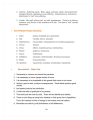
Ten Perfected Virtues and Right View
…ns
4. Panna wisdom
5. Viriya efforts, industriousness, hardworking
6. Khanti patience, endurance
7. Sacca truthfulness
8. Adhittana resolution, determination, firmness of purpose
9. Metta loving-kindness
1…
This text outlines the Ten Perfected Virtues (Paramis) in Buddhism, emphasizing the significance of Dana (generosity), Sila (morality), and other virtues for a moral life. It explores Sammadhitti or R
7
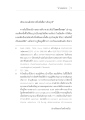
การศึกษาเกี่ยวกับสมมุติสัจธรรมในพระพุทธศาสนา
…องกบวา อร ยส จ งของใชวา สมมต สจ) สวนทางภาษาสนกถก เร ยกวา สลจต สตย หกปรวรธบเปนอกรฆรมนจะไดดงน sammuti-sacca และ samvṛti-satya ตามลำดบ เมอพจารณาถ ง ความหมายในเช งปร ญญาทางพระพททธศานา แทบจะไมคำแตกตาง ุ ทั้งคูม…
เรื่องนี้กล่าวถึงสมมุติสัจธรรมในพระพุทธศาสนา โดยทำการวิเคราะห์ความหมายและการใช้คำว่า sammuti และ samvṛti ในเชิงปรัชญาและประวัติศาสตร์ ทั้งนี้จะดูถึงความหมายที่ไม่แตกต่างกันในเชิงปรัชญา แต่มีความแตกต่า
175
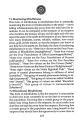
Monitoring and Discretional Mindfulness
… mental phenomena belong to insight [vipassanā]”, “this group of virtues are called ‘truthfulness’ [sacca]”, “this group of virtues are called ‘liberation’ [vimutti]”, “this group of virtues is transcenden…
Monitoring mindfulness involves a constant awareness of the wholesomeness in the mind, akin to a treasurer who tracks the assets of an emperor. It encompasses the recognition of various virtues essent
246
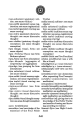
Fundamental Concepts in Buddhist Psychology
…ense discursive thought)
rūpa vitakha (visual thought conception: see sense-thought conception)
sacca (truthfulness)
saccaṃña (see knowledge of the existence of the Four Noble Truths)
saddha (faith…
This text elaborates on significant concepts in Buddhist psychology, including gasticatory and visual perceptions such as rasa (taste) and rūpa (form). It addresses terms like gasticatory volition, se

9
Dhamma for Laypersons
…amily who lacks even one element of the Dhamma for
Laypersons the four elements being truthfulness (Sacca),
self-control (Dama), endurance (Khanti), and sacrifice
(Caga) will certainly experience one or mo…
The following subject matter is very important for all families; whoever wants to get married, whoever wants to have children, whoever wants to have a husband or a wife must study these pages to gain

120
การศึกษาเกี่ยวกับพุทธศาสนา
…ere are
four virtues, and they are called Dhamma for Laypersons
(Gharāvās-dhamma).
1. Truthfulness (Sacca)
"This first virtue taught me to be sincere, straight-forward,
and honest. Remember, son, most peop…
This question has prompted me to study Buddhism seriously, which has given me an understanding of life: 1. Death is not the end. We still have to be reborn indefinitely, as long as we have not rid our

51
ระดับความสุขในเศรษฐศาสตร์พุทธ
… if one is to avoid sorrow in the
worlds to comeone must have the character habits of
truthfulness [sacca], training oneself without end [dama],
patience [dithi] and self-sacrifice [caga] all these
with 'f…
happiness in the present lifetime. When one's only aim in life is to find immediate material convenience for oneself, so that we can avoid hardship, the Buddha's teaching can be summarized by the acro

57
เศรษฐศาสตร์พุทธ
… The Buddha taught that if one is
to avoid sorrow in the worlds to comeone must have:
truthfulness [sacca]
training oneself without end [dama]
patience [dițhi]
self-sacrifice [cāga]
For our purposes in the…
cannot be considered reckless. If such a person listens thoroughly to those teachings, they will avail themselves of wisdom. The whole process must start with faith. Without faith, one doesn't even ta