

AF¯ : ค้นหาหนังสือธรรมะ หน้า 52 / 93
หน้าหนังสือทั้งหมด
12
Dhamma for Laypersons: Building a Stable Family
Although the solution is not simple, that does not mean there is no path to correct and prevent them from occurring. If each person realizes what the heart of the family is and everyone takes the best
The solution to family dilemmas is found in understanding the heart of the family and the teachings of the Buddha. Dhamma for Laypersons comprises four core principles: truthfulness, self-control, end
14
Building Strong Family Foundations Through Truthfulness and Self-Control
involvement with this distrustful person. Good people will not want to befriend dishonest people because they do not want to gain a bad reputation through association.
So if a person in a family does
This text discusses the importance of truthfulness (sacca) and self-control (dama) in family dynamics and personal growth. It emphasizes that individuals with a lack of truthfulness can create distrus
16
Understanding Marital Conflicts and Tolerance
here is the extracted text from the image:
---
there is something that still displeases us.
When we are displeased with ourselves, they are considered weaknesses that have turned into bad habits. A
This text discusses the inevitability of conflicts in marriages, highlighting the need for couples to acknowledge their weaknesses and the importance of enduring each other's shortcomings. It poses th
17
Endurance Against Defilements and the Roads to Ruin
squeezes us, controls us and wears us down to perform all
kinds of bad deeds shamelessly. Then when we perform the
bad deed, defilements let us suffer, receive punishments,
experience all kinds of dis
The text discusses how defilements control individuals, leading them to perform bad deeds and suffer consequences. It highlights the importance of resisting external stimuli known as the Roads to Ruin
21
Emotional Regulation Before Marriage
The practice of regulating one's emotions prior to getting married is an important foundation of maintaining a marriage. But if both parties never learned to control their emotions in the past, elevat
The practice of regulating one's emotions before marriage is crucial for a lasting relationship. If neither partner has learned to manage their emotions, it can lead to destructive behaviors and event
29
Cultivating Mindfulness through Eyes and Ears
Humans also have eyes. We must train our eyes to be like bamboo knots, because the most important aspect of eyesight is, “Don’t look at things you aren’t supposed to see. Don’t look for trouble. Don’t
This text emphasizes the significance of controlling what we see and hear for maintaining a calm and positive mind. By training our eyes not to focus on negativity and avoiding gossip, we can foster a
30
Mastering the Art of Handling Gossip and Compliments
When some people learn they are being gossiped about, they become so furious that they could kill the person who started the rumor. But if we know how to turn our ears into a wok handles, those words
Gossip can evoke strong emotions, but those who learn to disregard malicious words can achieve a peaceful mind. Compliments should be met with rationality rather than infatuation. The wisdom of our gr
37
Practicing the Four Universal Forms of Benevolence
The Buddha answered this question in one word: benevolence. That is to say mutual benevolence, the practice the Four Universal Forms of Benevolence (Sāngahavatthu), promote happiness in living togethe
The Buddha highlighted benevolence as key to mutual happiness. The Four Universal Forms include: 1. Giving (Dāna) – sharing wealth and support fosters a positive atmosphere. 2. Pleasant Speech (Piyavā
42
The Birth of a Meritorious Person
Chapter 5
The Birth of a Meritorious Person
Everyone feels excited when there is a new addition to the family. Some of these families are so elated they invite monks to receive offerings at their hom
This chapter discusses the elation families experience with the arrival of a new child. It poses deep questions about human existence, our beginnings, and the diverse fates of individuals. It emphasiz
44
Understanding Kamma: The Interconnection of Actions and Consequences
A senior monk once discussed kamma:
"The word kamma is a neutral word that does not imply
good or bad since kamma means action. An action always
carries a consequence. Why do we feel full? It is becau
This text delves into the concept of kamma, explaining it as a neutral term encompassing all forms of action that yield consequences. The author draws parallels between the law of physics and the Law
45
Understanding Kamma and Good Deeds in Buddhism
child to be born to her. When someone from a fortunate realm
is ready to be reborn, he will choose the best and most generous
mother. Once he enters the womb, he brings good fortune to
his mother and
This text discusses the concept of kamma and the importance of performing good deeds for future happiness. It emphasizes that an unborn child's merits can influence their mother to perform acts of kin
48
The Fable of Teaching Your Unborn Child
Chinese people understood this well. They even have a fable called "Teaching your Unborn Child" that has been retold continually since ancient times.
During the Cheng Meng Season (a Chinese tradition
This story emphasizes the importance of teaching good virtues even before a child is born, illustrated by the actions of two sisters during the Cheng Meng Season. When they find a bag of money, the ol
53
The Origins of Children's Habits
Where do Children’s Habits come from?
After parents learn that good children must not be troublesome, ignorant, or careless towards others, the question now is, how do parents cultivate these traits
บทความนี้สำรวจแหล่งที่มาของนิสัยในเด็กว่ามาจากไหน โดยเน้นการมีส่วนร่วมของพ่อแม่ในการปลูกฝังนิสัยที่ดีในเด็กผ่านการทำซ้ำคิด พูด และกระทำ ผู้ที่สร้างนิสัยที่ดีจะกลายเป็นบุคคลที่ดีในอนาคต ในขณะที่ผู้ที่ป
56
Teaching Children the Importance of Care and Endurance
2) If they do not keep the second Precept (No stealing)
then: They might engage in corruption.
3) If they do not keep the third Precept (No sexual misconduct) then: They might engage in prostitution.
จากการไม่ปฏิบัติตามศีลห้าของพุทธศาสนา เช่น การไม่ขโมย การประพฤติผิด การโกหก และการใช้สารเสพติด จะนำไปสู่ผลเสียต่างๆ ได้แก่ การทุจริต การค้าประเวณี และการทำผิดกฎหมาย ร่วมกับการสู้ชีวิตเพื่อเรียนรู้การด
57
Endurance Towards Stimulants of Defilements in Children
4) Endurance towards the stimulants of defilements
(kilsa). Children will not become slaves to alcohol and drugs, sexual attraction, money, praise and other problems. These stimulants cause major soci
The text discusses the importance of teaching children endurance against temptations such as alcohol, drugs, and the lure of money to prevent societal problems like corruption. It emphasizes the signi
65
The Role of Parents in a Buddhist Family
them the Jataka (stories of the past lives of the Lord Buddha),
making sure they do their chanting before bed, and teaching
them how to offer Dana (generosity) through methods such as
offering alms to
This text highlights the vital roles of parents in nurturing children within a Buddhist framework, emphasizing the importance of teachings like the Jataka stories, chanting, and the act of Dana. Paren
70
Teaching Children the Value of Money
trees, and every single dollar is hard-earned by their parents.
Children will then know the value of money and will use it wisely.
2. Teach children not to spend lavishly. Please don't
buy anything l
This text provides parents with strategies to teach their children the significance of financial responsibility. It covers topics such as encouraging wise spending habits, promoting self-created toys,
75
Teaching Children Time Management for Better Academic Performance
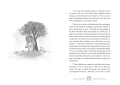
Parents must teach children when to use the internet or to watch television. The key is to not let them sleep late. If the children sleep late, they will not want to get up in the morning, causing par
Parents are urged to teach their children when to use the internet and watch television to foster better habits. A case study of an English professor demonstrates how setting a rule for screen time le
77
The Origins of Provocative Dress in Children
“If we look at the problem clearly, we will discover that its origins took root even before these children became teenagers and started to dress provocatively. We can trace it back to when these child
เมื่อเราพิจารณาปัญหานี้อย่างชัดเจน เราจะพบว่าที่มาของปัญหานี้เริ่มต้นมาก่อนที่เด็กๆ จะกลายเป็นวัยรุ่นและเริ่มแต่งตัวเซ็กซี่ ความเข้าใจผิดของผู้ปกครองและครูในเรื่องการส่งเสริมความคิดสร้างสรรค์และความมั
82
The Importance of Family Dinner
Dinner is an important meal that should be reserved for the family. Missing it would be unfortunate since everyone must tend to their own personal things after dinner. Some will do homework while othe
Dinner is a crucial time for family bonding. Missing this occasion leads to unresolved issues and potential arguments. Some families opt for separate meals and personal TV time, losing warmth in relat