

Brahmā-world : ค้นหาหนังสือธรรมะ หน้า 6 / 87
หน้าหนังสือทั้งหมด
71
ลิโลก සාම ආචාරධූම් รණය
ලෝක සාම ආචාරධූම් රණය
World Peace Ethics Contes
World-PEC
ครั้งแรกในศรีลังกา
0-10814
ยุวพุทธสงฆ์โลก ที่ได้ทำการประดิษฐานองค์พระ
ธรรมกาย ซึ่งพระราชภาวนาวิสุทธิ์ และกัลยาณมิตร
วัดพระธรรมกายได้ถวายให้อีกด
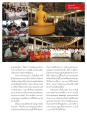
World Peace Ethics Contest (World-PEC) ถูกจัดขึ้นครั้งแรกในศรีลังกา โดยมีกิจกรรมการสอบซึ่งได้เริ่มต้นด้วยการอาราธนาศีล 5 ตามด้วยการนั่งสมาธิเพื่อเสริมความรู้ ก่อนเริ่มสอบ โดยมีประธานสงฆ์และเจ้าหน้าที่
30
The Power of Meditation for World Peace
Buddhist Congregation
become world-peace. The world has experienced
spiritual drought for a long time, and the peaceful
congregation will bring about change. Peace that
everyone has longed for will co
In a world beset by spiritual drought, the Buddhist congregation advocates for the power of meditation as a solution to achieve world peace. Problems are rooted in the wicked mind, and to achieve peac
76
Luang Phaw Dhammajayo: A Beacon of Peace and Buddhism
About Luang Phaw Dhammajayo
In the pursuit of his perfection, Luang Phaw Dhammajayo has
devoted himselfovermany decadestothepracticeofmeditation, Dhamma
study, and the promotion of world peace through
Luang Phaw Dhammajayo has spent decades dedicated to meditation and Dhamma study, promoting world peace through inner peace. His teachings focus on attaining the Dhammakaya, the true nature of peace a

139
The Power of the Mind
THE POWER OF
THE MIND
VIXIV
A True Hero
The person who conquers himself
is a true hero. The real battlefield
is not anywhere in this world, but
the world inside us. All the time, we
need to fight agai
The text emphasizes that the real battle lies within ourselves, where we must face our inner struggles against greed, anger, and delusion. Achieving peace in our minds is essential to becoming a true
31
The Power of Meditation for World Peace
Buddhist
Buddhist Congregation
become world-peace. The world has experienced
spiritual drought for a long time, and the peaceful
congregation will bring about change. The peace that
everyone has longe
The text highlights the importance of meditation in achieving world peace. It suggests that many global issues stem from the wicked mind. By cultivating a calm and clear mind through meditation, indiv
278
Journey to Joy
Journey to Joy
278
I have a dream of using my musical skills to
create World Peace because songs are a universal
language bringing people of different nationalities
or religions into harmony. It is al
In this heartfelt narrative, the author shares dreams of achieving world peace through music and meditation. Drawing on personal experiences, including composing a song for the 1992 Winter Olympics, t
13
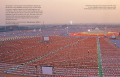
Grand Meditation Stadium for World Peace
The temple is constructing the Grand Meditation Stadium for
World Peace where Buddhists and peace lovers of other faiths
can come to meditate together for individual happiness and
world peace. The two
The Grand Meditation Stadium is being built to host the largest mass meditation event for Buddhists and peace lovers. Designed to accommodate one million people, it aims to foster intra- and inter-rel
181
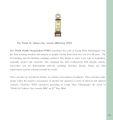
World No Tobacco Day Awards 2004
The World No Tobacco Day Awards 2004 from WHO
The World Health Organization (WHO) considered the work of Luang Phaw Dhammajay who has been teaching morality and integrity to people, freeing them from
The World Health Organization (WHO) honored Luang Phaw Dhammajay for his dedication to teaching morality and integrity while promoting a no-smoking and no-drinking campaign for over 30 years. This ini
14
Tomorrow The World Will Change
Tomorrow The World Will Change
and insights. However, if our wisdom is not fully developed, then our pursuit becomes random and unorganised, making achievement of that peace we are seeking haphazard
True world peace requires individual contributions towards inner peace, understanding, and personal growth. While efforts like conferences can help, lasting change occurs when everyone engages in the
21
The Path to Global Peace Through Meditation
the centre of our bodies. Through this universal meditation practice, we will obtain the answers on our own about the true meaning of peace, where it is located and how we can attain it.
Once we acq
Through this universal meditation practice, we can discover the true meaning of peace and recognize the futility of war. By achieving inner happiness, we enhance our understanding and wisdom, leading
26
The Dream of World Peace
Although we have long dreamed of world peace and of people living together in happiness, we still question whether this dream can ever be a reality. Consider that just 250 years ago, most people would
In a world where technological advancements were once unimaginable, the dream of world peace remains a question. Just 250 years ago, concepts like metal ships and space travel seemed impossible. Yet,
31
Tomorrow The World Will Change
"Tomorrow The World Will Change"
Testimonies from Inner Peace Pioneers
" Meditation teaches you not only to improve your own mental abilities but also to spread kindness and love even to your enemi
This text explores the profound impact of meditation on individual happiness and global peace. J.D.A. Wijewardena highlights meditation's role in fostering kindness and alleviating fear amid global th
37
Meditation for World Peace and Happiness
that wishes all beings free of suffering and able to
attain greater happiness. Wish that all beings will
discover the greatest thing: to attain the utmost
happiness that arises from meditation and tha
This text emphasizes the profound benefits of meditation, encouraging practitioners to wish for the happiness and freedom from suffering of all beings. It advocates for a boundless mindset filled with
95
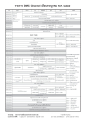
รายการ DMC Channel เดือนกรกฎาคม พ.ศ. ๒๕๕๕
รายการ DMC Channel เดือนกรกฎาคม พ.ศ. ๒๕๕๕
เวลา วันจันทร์ อังคาร พุธ พฤหัสบดี ศุกร์ เสาร์ อาทิตย์
0
ตารางออกอากาศของ DMC Channel ในเดือนกรกฎาคม ปี 2555 แสดงรายการที่มีตั้งแต่การแนะแนวการศึกษา การบรรยายทางพระพุทธศาสนา ไปจนถึงข่าวสารต่าง ๆ ที่เกี่ยวข้อง ซึ่งนำเสนอในช่วงเวลาแตกต่างกันตลอดทั้งวัน ทั้งยั
39
Luang Por Dhammajayo's Global Impact
and the United States.
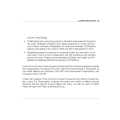
• Collaborating with, and giving support to, Buddhist organizations throughout the world. Facilitated ordination and training programs for monks and novices in Nepal, Indonesia,
Luang Por Dhammajayo has significantly contributed to Buddhist organizations worldwide, facilitating ordination and training for monks in several countries. He established research programs for script

200
Changing the World One Person at a Time
Changing the World One Person at a Time
The teachings of Luang Por Dhammayaya have inspired millions of people around
the world to perform good deeds and to cultivate their minds through meditation. H
The teachings of Luang Por Dhammayaya have notably influenced millions globally, encouraging good deeds and meditation. His initiatives against smoking, drinking, and gambling showcase effective socia
119
Exploring the Unknown Factor and the Eightfold Noble Path
Suzanne Jeffrey
"The students you are teaching now will be the politicians when you retire. If you do not teach them properly, then who is to blame? We are!! We are to blame because we are probably n
The content emphasizes the responsibility of educators to guide students, as they will shape the future. It discusses various perceptions of the Unknown Factor, including Nibbana, God, and Supreme Kno
21
Provision of Facilities for Meditation at Dhammakaya Foundation
ROVISION OF FACILITIES
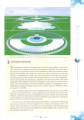
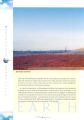
W t h e steady increase of interested public coming to study meditation and culture for the raising of the quality of the mind, the Dhammakaya Foundation has led the way in the
The Dhammakaya Foundation has developed purpose-built facilities to enhance the practice of meditation, accommodating a large number of meditators and fostering a serene environment. With a covered ca
74
Earth Day Activities by Dhammakaya Foundation
Earth Day Activities
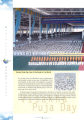
Each year the Dhammakaya Foundation and its centres sponsor and organize a number of Earth Day activities for people from all walks of life. These activities include tree plantin
Each year, the Dhammakaya Foundation organizes Earth Day activities like tree planting and training in forest conservation, waste management, and cleanliness. Emphasizing moral and ethical education,
76
Visakha Puja Day: Day of Gratitude for the World
Visakha Puja Day: Day of Gratitude for the World
On the day of the Lord Buddha's birth, enlightenment and entered nirvana, every year all Buddhists of the world gather to take fresh encouragement by
Visakha Puja Day commemorates the birth, enlightenment, and nirvana of the Lord Buddha. This day encourages Buddhists worldwide to gather and honor the Buddha's virtues through giving, self-discipline