

C&D : ค้นหาหนังสือธรรมะ หน้า 358 / 507
หน้าหนังสือทั้งหมด
79
Understanding Suffering and the Noble Eightfold Path
2. Origin of suffering - Suffering arises from attachment to desire, craving
(tanha). People themselves create this suffering by trying to cling on to
worldly pleasures.
3. Cessation of suffering - Su
This text discusses the origin of suffering, which stems from attachment to desire and worldly pleasures. It highlights that suffering ceases when such attachments are released. The Noble Eightfold Pa
80
Ten Perfected Virtues and Right View
Ten Perfected Virtues (Paramis):
1. Dana giving, charitable act, generosity
2. Sila morality, ethics, precepts
3. Nekkhamma renunciation; relinquishment of worldly possessions
4. Panna wisdom
5. Viriy
This text outlines the Ten Perfected Virtues (Paramis) in Buddhism, emphasizing the significance of Dana (generosity), Sila (morality), and other virtues for a moral life. It explores Sammadhitti or R
81
Understanding the Five Aggregates, Tenfold Path of Wholesomeness, and Four Lofty States of Mind
Khandha 5 Five Aggregates (elements, attributes of being)
1. Rupa form, physical self, body. Rupa is made up of earth, water, air, fire (heat)
2. Vedana feeling, is one of pleasant, unpleasant, ne
This text delves into three significant aspects of Buddhist philosophy: the Five Aggregates which consist of Rupa (form), Vedana (feeling), Samjna (perception), Sankhara (conception), and Vinnana (con
82
Hiri-Ottapa: Understanding Shame and Fear of Wrongdoing
Hiri-ottapa – Shame and Fear of Wrongdoing
Hiri and ottapa are Pali words, meaning ‘shame of wrongdoing’ (hiri) and ‘fearful of the consequence of wrongdoing’ (ottapa). One who has hiri-ottapa is one
Hiri and Ottapa are pivotal concepts in Buddhism, representing the shame of wrongdoing and the fear of its consequences. Together, they foster a good moral conscience. Individuals devoid of these trai
83
Say No to Alcohol
Say No to Alcohol
The negative long-term effects of alcohol consumption are difficult to control and overcome. Not only is your own welfare at risk, but also the welfare of those around you, especial
The long-term effects of alcohol are detrimental not only to the individual but also to their family. Alcohol leads to destruction of wealth, health issues, aggressive behavior, loss of friendships, a
85
The Importance of Mental Cultivation Through Meditation
- Mental Cultivation (bhavana) through meditation. Mind is the most important
composite of the entire human entity. The mind is the source of all actions, good or
bad. Good thoughts produce good a
Mental cultivation (bhavana) through meditation is essential for achieving inner peace and a clear mind. The mind is the source of all actions, and its state greatly influences one's life and deeds. G
86
The Five Precepts of Buddhism
THE FIVE PRECEPTS
The Five Precepts consist of the following:
1. Not to kill living beings (including animals)
2. Not to steal
3. Not to commit sexual misconduct
4. Not to tell lies
5. Not to consume
The Five Precepts in Buddhism outline ethical guidelines for practitioners, emphasizing respect for life among other moral behaviors. The First Precept, which prohibits killing, is noted as the graves
87
Killing and Karma: Understanding Consequences
Killing – How bad is your Karma?
Not all killings are ‘equal’ in the sense of karmic consequence. The killing of humans is the most serious violation and receives the worst retribution. As for the ki
This text discusses how the karmic consequences of killing vary based on several factors, including the type and size of the animal, prior connections, and the intention behind the act. Killing humans
88
Understanding the First Two Precepts of Buddhism
Benefits for keeping the First Precept—Not to Kill
• You will be free from physical disability; you will have good appearance and beauty
• You will have superior physical attributes and strength
• You
The First Precept emphasizes the importance of not killing, which leads to various physical and mental benefits, including a long life and good health. Meanwhile, the Second Precept addresses stealing
89
Understanding Karma and Retribution for Stealing and Sexual Misconduct
The amount of effort put into the stealing -- The more effort put into the stealing, the more serious the retribution.
According to the Law of Karma, all actions produce consequences, good or bad. Pu
การลงโทษจะต้องตรงกับอาชญากรรม อาชญากรรมการขโมยทำให้เกิดความทุกข์ให้ผู้อื่น ซึ่งการทำผิดที่ทำให้ผู้อื่นเดือดร้อนมากจะมีโทษที่รุนแรงกว่า อย่างเช่น ถ้าขโมยทำให้ผู้ถูกขโมยทุกข์ยากมาก จะถูกลงโทษหนัก เช่น อ
90
Consequences of Breaking the Precepts
• The amount of effort used: the more effort used, the more serious the retribution
Like other violations of Precepts, the most serious breach will result in the offender
being punished in hell, or to
บทความนี้อธิบายถึงความสำคัญของการรักษาศีล ประโยชน์ และผลกระทบหากมีการฝ่าฝืนโดยเฉพาะศีลข้อที่สามและสี่ ความพยายามในการรักษาศีลนำมาซึ่งความรักและความเคารพจากผู้อื่น ขณะที่การฝ่าฝืนจะส่งผลให้มีศัตรู และบ
91
Benefits of Keeping the Fourth Precept and Risks of Breaking the Fifth Precept
Benefits of Keeping the Fourth Precept
- You will have a radiant complexion
- You will be well-spoken, and have nice teeth
- You will have healthy body
- You will have pleasant breath
- You will have
Keeping the Fourth Precept offers numerous benefits including a radiant complexion, credibility in speech, and overall physical health. Conversely, breaking the Fifth Precept by consuming alcohol and
92
Understanding the Importance of the Fifth and Eight Precepts
- Loss of consciousness and sanity
Those who have made a serious breach of this precept will end up in hell or other unhappy realm. As humans, they will be born with mental illnesses, be retarded or
The text discusses the severe consequences of violating the Fifth Precept in Buddhism, leading to unhappiness and potential mental disorders in future lives. It emphasizes the benefits of adhering to
98
The Impact of Good Deeds and Dhamma Practices
Rejoicing in the merit of others. Give appreciation and encouragement to those who perform good deeds. This act of appreciation and encouragement attracts support and help, instead of obstacles, from
การทำดีและการให้บุญแก่ผู้อื่นเป็นเรื่องสำคัญที่ช่วยเสริมสร้างการสนับสนุนจากผู้อื่น การสอนธรรมะเป็นรากฐานสำหรับหลักจริยธรรมและปัญญาทางจิตวิญญาณ ซึ่งเปิดทางให้เรารู้ถึงกฎแห่งกรรม การเกิดใหม่ และความจริง
99
Types of Generosity: Understanding Charitable Giving
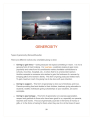
GENROSITY
Types of generosity (Danavatthusutta)
There are different motives why charitable giving is done:
• Giving to gain favor – Giving because we expect something in return. It is not a genuine
This text discusses various motives for charitable giving as outlined in the Danavatthusutta. It identifies three main types of generosity: giving to gain favor, which is insincere and often seeks som
101
The Art of Charitable Giving for Maximum Merit
Objects not suitable for giving
• Alcoholic drinks and intoxicants, including cigarettes, liquors, and illegal drugs
• Shows and entertainment
• Sexual companions (both for people or for animal)
• Mat
การให้จะต้องมีความบริสุทธิ์ในทุกขั้นตอนเพื่อให้ได้มาซึ่งบุญสูงสุด สิ่งที่ไม่ควรมอบ ได้แก่ เครื่องดื่มแอลกอฮอล์ สื่อลามก อาวุธ และสารพิษ การให้ที่มีความบริสุทธิ์ต้องมีความเชื่อมั่นที่แท้จริง มีความยินด
105
The Power of Meditation in Purifying the Mind
When we are young, our mind is simple, innocent and relatively pure. A young mind has not yet been exposed to many mental contaminants. It is easier for the mind of a child to reach a calm and tranqui
When we are young, our minds are simple and innocent, making meditation easier. However, as we grow, life's burdens create stress and unrest. Mental impurities like greed and anger cloud our minds. Me
108
Meditation Techniques for Calm and Clarity
way, until you feel as if your whole body seems to be filled with tiny particles of goodness;
3. *Sit for meditation, relaxing body and mind:* Sit in the half-lotus position, upright with your back
This text provides a comprehensive guide for meditation, emphasizing relaxation of body and mind through the half-lotus position. It highlights the importance of visualizing a crystal ball at the cent
111
Understanding Dhammakaya Meditation
DHAMMAKAYA MEDITATION
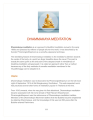
Dhammakaya meditation is an approach to Buddhist meditation revived in the early 1900s and practiced by millions of people all over the world. It was described by its founder Ph
Dhammakaya meditation is a significant form of Buddhist meditation revived in the early 1900s by Phramongkolthepmuni. It involves focusing attention on a point two finger breaths above the navel, allo
113
Understanding Dhammakaya Meditation and Mental Progress
- Placing the attention at the center of the body without visualizing. When one visualizes the mental object continuously, the mental object will gradually change in nature in accordance with the incr
การทำสมาธิแบบธรรมกายมุ่งเน้นไปที่การวางจิตใจ ณ ศูนย์กลางของร่างกายโดยไม่ต้องมองเห็นภาพภายนอก การตั้งใจภาพที่แท้จริงนำไปสู่การให้ความชัดเจนในจิต เพราะเมื่อจิตอยู่ในสภาวะสงบจะเกิดภาพที่สามารถขยายหรือหรื