

EM : ค้นหาหนังสือธรรมะ หน้า 84 / 108
หน้าหนังสือทั้งหมด
5
Understanding Kamma and Buddhist Practices
The event begins after Buddhist Lent and continues for one month.
กรรม kamma; karma; action; deed; willed action; an intentional action that has future consequences, including future reboots; th
This text delves into the fundamental concept of kamma (karma) in Buddhism, emphasizing that every intentional action we perform leads to future consequences. The Buddha defines …
8
Understanding Mental Purities and Wholesome Actions
impurities; defilements; mental impurities
monk’s living quarters
virtue; virtuous; wholesome; good
wholesome act…
…al impurities and their impact on virtue and wholesome actions. It discusses the importance of defilements and how monks aim to foster virtuous deeds through actions that promote good karma, creating be…
23
Understanding Dhamma and its Significance
… their existence; the ethical code of righteousness; the whole body of religious doctrines as a system; the Teachings of the Buddha; the eternal truth that the Buddha realized, his verbal expression of …
…y, refers to the natural condition of existence and the ethical framework guiding moral conduct. It embodies the teachings of the Buddha, manifesting truths realized through his enlightenment. The Dhamm…
49
มหาวิหารของคุณยายอาจารย์และอุโบสถ
The Memorial Hall of Khun Yay Ajahn (มหาวิหารของคุณยายอาจารย์), a place that enshrines Khun Yay’s relics an…
มหาวิหารของคุณยายอาจารย์เป็นสถานที่เก็บรักษาเศษส่วนและรูปปั้นทองคำของคุณยาย ภายในมีห้องหยก รองรับผู้เข้าชมได้ 300 คน อุโบสถเป็นสถานที่บวชของพระและสามเณรจากทุกชาติพันธุ์ ห้องหอฉันคุณยายอาจารย์เป็นห้องอ
53
ศีลพรตและศีลธรรม
…ed the first stage of the Path and will be reborn on the earth only once before attaining the final emancipation
สงกรานต์ water-throwing festival; the old Thai New Year
สงสาร …
ศีลพรตเป็นแนวทางปฏิบัติทางศีลธรรมที่สำคัญในศาสนา โดยมีศีล ๕ ซึ่งยกตัวอย่างเช่น ไม่ฆ่าสัตว์ ไม่ขโมย ไม่ประพฤติผิดทางเพศ ไม่โกหก และไม่ดื่มสุรา ศีลธรรมช่วยให้เกิดความสงบสุขในชีวิตและมีแนวทางการปฏิบัติที
57
Understanding Key Buddhist Concepts
စัทธ Sambhā
achievement of faith
สัณฐานหรือรูปทรงของมโนติ shape of mental object
สัตว์ทั้งหลายมีกรรมเป็นของตน all bein…
This text provides important insights into various Buddhist concepts including the achievement of faith (စัทธ Sambhā), the nature of mental objects, the principle that all beings possess thei…
61
Meditation and Mindfulness Concepts
ให้ดูเลยๆ
look at it casually, naturally, impassively,
without emotion or attachment
Imagine naturally, easily, casually
let the merit nourish your mind
let the meri…
เนื้อหานี้นำเสนอแนวคิดสำคัญเกี่ยวกับการทำสมาธิและการมีสติ โดยเน้นเรื่องคุณงามความดีที่ต้องบ่มเพาะในจิตใจ เรียนรู้ที่จะดูสิ่งต่างๆ อย่างผ่อนคลายโดยไม่ติด Attachment และความรู้สึก และแสดงความเคารพต่อพระ
62
Understanding Buddhist Concepts: Key Terms and Definitions
phenomena; outside the sphere of natural law; supernatural (unexplainable phenomena)
อดิษฐาน past life; previous life; previous existence
อทินนนทาน taking what is not given; stealing
อทุกขมสุข neither
This text presents key Buddhist concepts such as 'อนัตตา' (non-self), emphasizing that there is no lasting essence, only the illusion of self that causes attachment. It dis…
70
Understanding Buddhism: A Cosmic Religion
…telligent man has the ability to look at situations from a neutral perspective. He
does not allow emotions to influence his perception, and remains open minded. The
Buddha encourages one to be neutr…
Buddhism, founded by the Buddha over 2,500 years ago, emphasizes freedom from suffering and is based on logical, practical principles. This religion transce…
72
Understanding Nirvana and the Path to Enlightenment
… of good conduct will be reborn in a happy realm.
Unhappy realms
Unhappy realms consist of hells, demons, hungry ghosts, and animal domains. A person who lives a life of evil conduct will be reborn in …
…stence. The text discusses the distinction between happy and unhappy realms based on one's conduct, emphasizing that virtuous living leads to rebirth in blissful realms while evil actions lead to suffer…
76
The Journey of Siddhartha: From Suffering to Enlightenment
The arrangement miscarried, however, for on the first three visits that Siddhatha made to the village he saw thi…
…ch deeply affect his sheltered existence. At 29, he renounces his royal privileges to seek answers, embarking on a rigorous spiritual quest. Siddhartha experiments with various ascetic practices, pushin…
77
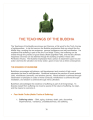
The Enlightenment of Siddhattha Gotama
… in the notion of separate, individual being or person — self — with a name, history, social role, memories, relationships and so on. At depth, in its true nature, the reality was very different. He was…
…35, he spent the next 45 years teaching wise and compassionate lessons across the Ganges plain. The emergence of the Sangha, a community of Buddhist monks dedicated to the Dhamma, marked a significant d…
78
The Teachings of the Buddha
…nown as Dhamma, a Pali word for the Truth, the law of righteousness. In his first sermon the Buddha emphasized that one should live the Middle Way, avoiding the two extremes: sensual indulgence and self…
The Teachings of the Buddha, known as Dhamma, emphasize the Middle Way, avoiding extremes of indulgence and self-mortification. Central to Buddha's …
79
Understanding Suffering and the Noble Eightfold Path
2. Origin of suffering - Suffering arises from attachment to desire, craving
(tanha). People themselves create this suffering by trying to cling on to
worldly pleasures.
3. Cessation of suffering -…
This text discusses the origin of suffering, which stems from attachment to desire and worldly pleasures. It highlights that suffering ceases when such att…
80
Ten Perfected Virtues and Right View
…on, determination, firmness of purpose
9. Metta loving-kindness
10. Upekkha equanimity, neutrality, emotionless, impassivity
Sammadhitti -- Right View
1. Generosity is virtuous and should be practiced
…
This text outlines the Ten Perfected Virtues (Paramis) in Buddhism, emphasizing the significance of Dana (generosity), Sila (morality), and other virtues for a moral life…
81
Understanding the Five Aggregates, Tenfold Path of Wholesomeness, and Four Lofty States of Mind
Khandha 5 Five Aggregates (elements, attributes of being)
1. Rupa form, physical self, body. Rupa is made up of earth, water, air…
This text delves into three significant aspects of Buddhist philosophy: the Five Aggregates which consist of Rupa (form), Vedana (feeling), Samjna (perception), Sankhara (conception), and Vinnana (con
83
Say No to Alcohol
Say No to Alcohol
The negative long-term effects of alcohol consumption are difficult to control and overcome. Not only is your own welfare at risk, but also the welfare of those around you, especial
…o perform good deeds, ultimately easing the path towards Nirvana. Additionally, monastic discipline emphasizes the importance of following the Buddha's teachings, which include restraint in conduct and …
84
The Core Principles of Buddhist Living
…o engage in any forms of worldly professions or to earn a wage, because these activities distract them from their main goal and take away their concentration and purity of mind.
Reflection on the Requi…
…uddhist monks focusing on livelihood, moderation, and core principles of Buddhism. Monks dedicate themselves to studying Dhamma, meditating, and teaching, relying on donations for sustenance without eng…
86
The Five Precepts of Buddhism
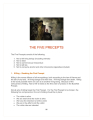
THE FIVE PRECEPTS
The Five Precepts consist of the following:
1. Not to kill living beings (including animals)
2. Not to steal
3. Not to commit sexual misconduct
4. Not to tell lies
5. Not to consume
The Five Precepts in Buddhism outline ethical guidelines for practitioners, emphasizing respect for life among other moral behaviors. The First Precept, which prohibits killing, …
88
Understanding the First Two Precepts of Buddhism
…trength
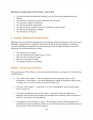
• You will have radiant complexion
• You will have gentle personality
• You will not have enemies, and will not suffer a violent death
• You will not be plagued by illness
• You will enjoy a lon…
The First Precept emphasizes the importance of not killing, which leads to various physical and mental benefits, includi…