

F.N. : ค้นหาหนังสือธรรมะ หน้า 209 / 252
หน้าหนังสือทั้งหมด
81
Understanding the Five Aggregates, Tenfold Path of Wholesomeness, and Four Lofty States of Mind
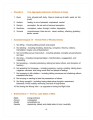
Khandha 5 Five Aggregates (elements, attributes of being)
1. Rupa form, physical self, body. Rupa is made up of earth, water, air, fire (heat)
2. Vedana feeling, is one of pleasant, unpleasant, ne
This text delves into three significant aspects of Buddhist philosophy: the Five Aggregates which consist of Rupa (form), Vedana (feeling), Samjna (perception), Sankhara (conception), and Vinnana (con
82
Hiri-Ottapa: Understanding Shame and Fear of Wrongdoing
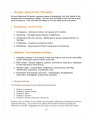
Hiri-ottapa – Shame and Fear of Wrongdoing
Hiri and ottapa are Pali words, meaning ‘shame of wrongdoing’ (hiri) and ‘fearful of the consequence of wrongdoing’ (ottapa). One who has hiri-ottapa is one
Hiri and Ottapa are pivotal concepts in Buddhism, representing the shame of wrongdoing and the fear of its consequences. Together, they foster a good moral conscience. Individuals devoid of these trai
84
The Core Principles of Buddhist Living
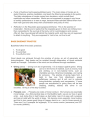
Purity of livelihood (achivaparissuddhismavara): The main duties of monks are to study Dhamma, practice meditation, and teach the Dharma knowledge to the public. The daily subsistence of monks comes f
This text outlines the essential duties and practices of Buddhist monks focusing on livelihood, moderation, and core principles of Buddhism. Monks dedicate themselves to studying Dhamma, meditating, a
86
The Five Precepts of Buddhism
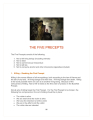
THE FIVE PRECEPTS
The Five Precepts consist of the following:
1. Not to kill living beings (including animals)
2. Not to steal
3. Not to commit sexual misconduct
4. Not to tell lies
5. Not to consume
The Five Precepts in Buddhism outline ethical guidelines for practitioners, emphasizing respect for life among other moral behaviors. The First Precept, which prohibits killing, is noted as the graves
88
Understanding the First Two Precepts of Buddhism
Benefits for keeping the First Precept—Not to Kill
• You will be free from physical disability; you will have good appearance and beauty
• You will have superior physical attributes and strength
• You
The First Precept emphasizes the importance of not killing, which leads to various physical and mental benefits, including a long life and good health. Meanwhile, the Second Precept addresses stealing
89
Understanding Karma and Retribution for Stealing and Sexual Misconduct
The amount of effort put into the stealing -- The more effort put into the stealing, the more serious the retribution.
According to the Law of Karma, all actions produce consequences, good or bad. Pu
การลงโทษจะต้องตรงกับอาชญากรรม อาชญากรรมการขโมยทำให้เกิดความทุกข์ให้ผู้อื่น ซึ่งการทำผิดที่ทำให้ผู้อื่นเดือดร้อนมากจะมีโทษที่รุนแรงกว่า อย่างเช่น ถ้าขโมยทำให้ผู้ถูกขโมยทุกข์ยากมาก จะถูกลงโทษหนัก เช่น อ
90
Consequences of Breaking the Precepts
• The amount of effort used: the more effort used, the more serious the retribution
Like other violations of Precepts, the most serious breach will result in the offender
being punished in hell, or to
บทความนี้อธิบายถึงความสำคัญของการรักษาศีล ประโยชน์ และผลกระทบหากมีการฝ่าฝืนโดยเฉพาะศีลข้อที่สามและสี่ ความพยายามในการรักษาศีลนำมาซึ่งความรักและความเคารพจากผู้อื่น ขณะที่การฝ่าฝืนจะส่งผลให้มีศัตรู และบ
91
Benefits of Keeping the Fourth Precept and Risks of Breaking the Fifth Precept
Benefits of Keeping the Fourth Precept
- You will have a radiant complexion
- You will be well-spoken, and have nice teeth
- You will have healthy body
- You will have pleasant breath
- You will have
Keeping the Fourth Precept offers numerous benefits including a radiant complexion, credibility in speech, and overall physical health. Conversely, breaking the Fifth Precept by consuming alcohol and
93
Understanding Merit and Its Impact on Life
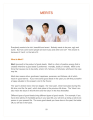
MERITS
Everybody wants to be rich, beautiful and smart. Nobody wants to be poor, ugly and dumb. But how come some people are born lucky and other are not? The answer is because of ‘merit’, or the lac
Merit is the product of good deeds and serves as a positive energy that can lead to being rich, beautiful, and smart. It encompasses virtue and goodness, influencing one's present and future based on
94
Understanding Merit and Demerit: The Law of Karma
The opposite of merit is demerit, or ‘sin’. Demerit is the product of bad deeds. Bad deeds cause ‘bad karma’. Demerit is a negative energy that is created when a bad deed is performed: mentally, bodil
The opposite of merit is demerit, representing the consequences of bad deeds which cause negative karma. Both good and bad deeds are governed by the Law of Karma, where actions determine outcomes in t
95
Understanding Merit and Its Impact on Life
someone who is angry or hateful. When we are happy and content with ourselves, we project a personality of self-confidence and social grace. For this reason, merit can indeed change our personality to
Merit is an integral part of our personality, bringing satisfaction and contentment while enhancing social grace and self-confidence. It cannot be transferred, as it belongs solely to the individual.
96
Understanding Merit and the Law of Cause and Effect
Merit Results
We benefit from merit in four levels:
1. The mind -- improving the quality and the potentiality of the mind.
2. The personality -- improving our demeanor and the way we project oursel
Merit affects our lives on four levels: mental improvement, personality enhancement, lifestyle benefits, and societal contributions. The Law of Karma states every action has a corresponding consequenc
97
Ten Ways to Perform Good Deeds
Powerless - being jealous in others' success; having ill will
High social standing - being respectful to the virtuous; humble
Low social standing - being arrogant and disrespectful to the virtuous; la
This text outlines ten good deeds that enhance merit, including acts of giving, adherence to moral precepts, and mental cultivation through meditation. It emphasizes the importance of generosity in co
98
The Impact of Good Deeds and Dhamma Practices
Rejoicing in the merit of others. Give appreciation and encouragement to those who perform good deeds. This act of appreciation and encouragement attracts support and help, instead of obstacles, from
การทำดีและการให้บุญแก่ผู้อื่นเป็นเรื่องสำคัญที่ช่วยเสริมสร้างการสนับสนุนจากผู้อื่น การสอนธรรมะเป็นรากฐานสำหรับหลักจริยธรรมและปัญญาทางจิตวิญญาณ ซึ่งเปิดทางให้เรารู้ถึงกฎแห่งกรรม การเกิดใหม่ และความจริง

99
Types of Generosity: Understanding Charitable Giving
GENROSITY
Types of generosity (Danavatthusutta)
There are different motives why charitable giving is done:
• Giving to gain favor – Giving because we expect something in return. It is not a genuine
This text discusses various motives for charitable giving as outlined in the Danavatthusutta. It identifies three main types of generosity: giving to gain favor, which is insincere and often seeks som
100
The Importance of Spiritual Wealth and Charitable Giving
No matter how many material possessions we may have accumulated, none of them can be taken with us upon our departure from this world. All of them will be left behind. The only possession we can take
No matter how many material possessions we have accumulated, we can only take our spiritual wealth with us. This wealth is built through merits which last through many lifetimes. In this brief discuss
103
Understanding Meditation and Its Benefits
MEDITATION
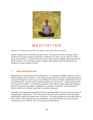
"When I'm in peace, everyone is in peace, the world will be in peace."
Human beings consist of both body and mind. The mind is a form of energy which controls and sends sequels to the bra
Meditation serves as a crucial tool for mental development, enabling the mind to achieve stillness and clarity. Human beings are composed of body and mind, where a clear mind leads to good actions, wh
104
The Balance of Mind and Body
* What is a mind without a body? A ghost.
* What is a body without a mind? A corpse.
* The mind and body must function in good balance and harmony.
- A body with healthy mind = intelligent, alert, m
The text discusses the intricate relationship between mind and body, emphasizing that both must coexist in harmony for optimal functioning. It highlights the necessity of mental care akin to physical
105
The Power of Meditation in Purifying the Mind
When we are young, our mind is simple, innocent and relatively pure. A young mind has not yet been exposed to many mental contaminants. It is easier for the mind of a child to reach a calm and tranqui
When we are young, our minds are simple and innocent, making meditation easier. However, as we grow, life's burdens create stress and unrest. Mental impurities like greed and anger cloud our minds. Me
106
The Importance of Meditation for Mental and Physical Health
When your body breaks down it becomes sick. Illness of the body only affects the inflicted individual. However, when the mind is sick, many are affected.
Meditation keeps the mind and body in harmony.
Meditation plays a crucial role in maintaining both mental and physical health. While physical illness primarily affects the individual, mental illness can have broader impacts. Meditation fosters hap