

vipassanā : ค้นหาหนังสือธรรมะ หน้า 1 / 3
หน้าหนังสือทั้งหมด
85
The Dhammakaya Tradition
The Dhammakaya Tradition
The Dhammakaya Tradition is a Buddhist meditation method taught by Phramongkolthepmuni in the early 20th century. Dhammakaya meditation encompasses both the samatha (tranquili
The Dhammakaya Tradition is a renowned Buddhist meditation technique initiated by Phramongkolthepmuni in the early 20th century, blending samatha and vipassana practices with the aim of overcoming the
112
Historical Development and Techniques of Dhammakaya Meditation
**Historical Development to present**
Phramongkolthepmuni devoted his time from 1916-1959 to teaching Dhammakaya meditation. He ran a meditation workshop from 1935-1959 which was reserved for gifted
Phramongkolthepmuni dedicated his life to Dhammakaya meditation from 1916-1959, emphasizing team meditation. Since then, his disciples at various temples including Wat Phra Dhammakaya have continued t
113
Understanding Dhammakaya Meditation and Mental Progress
- Placing the attention at the center of the body without visualizing. When one visualizes the mental object continuously, the mental object will gradually change in nature in accordance with the incr
การทำสมาธิแบบธรรมกายมุ่งเน้นไปที่การวางจิตใจ ณ ศูนย์กลางของร่างกายโดยไม่ต้องมองเห็นภาพภายนอก การตั้งใจภาพที่แท้จริงนำไปสู่การให้ความชัดเจนในจิต เพราะเมื่อจิตอยู่ในสภาวะสงบจะเกิดภาพที่สามารถขยายหรือหรื
86
Understanding Craving and Suffering in Buddhism
…less Brahmā-world [uibhavatanaḥa] are those who
strive in meditation by calm [samatha] and insight
[vipassanā]1 and who set their heart on being born in the
Brahmā-world or the formless Brahmā-world by the ign…
This text delves into the concept of craving in Buddhism, emphasizing that even honest wealth can lead to suffering due to inherent craving. It discusses how aspirations for the Brahmā-world can trap
189
Appendixes on Good Deeds and Paths to Destruction
Part Seven: Appendixes
to perform good deeds and this results in parami formation
within the mind
Roads to Ruin: any of the paths, professions, or actions
that eventually lead to destruction; they inc
This section discusses the significance of good deeds and how they cultivate parami within the mind. It outlines various detrimental paths that lead to personal destruction, including indulgence in li
191
Appendixes of Theravada Buddhism
Part Seven: Appendixes
Theravada: "the Doctrine of the Elders"; considered as
"Orthodox" Buddhism
Tripitaka: The Pali Canon; Source of Buddhist Scriptures
dating back to the time of the Buddha
Tilakkh
This section provides definitions and explanations of key terms related to Theravada Buddhism. It includes insights into the Tripitaka, the Pali Canon which is the primary source of Buddhist scripture
69
Introduction to Love and Family through Dhammakaya Meditation
My
introduction
to
Love and Family
Dhammakaya
meditation began about five years ago when I first
learned about the basic method from a monk at the
Meditation Center of Chicago. I had meditated
many ye
The author shares their introduction to Dhammakaya meditation after realizing the challenges of daily life and mental clutter. This journey began five years ago at the Meditation Center of Chicago, fo
27
The Journey of Chaiyaboon in Meditation
One day, he came upon a book titled Dhammakaya written in the format of a sermon by the Great Abbot of Wat Paknam, who said: “Reading books alone is not enough to gain the perfect knowledge of Dhamma.
Chaiyaboon's quest for true understanding of Dhamma led him to the teachings of Khun Yai Chand at Wat Paknam. Through her guidance, he realized the reality of heaven and hell, the importance of medita
166
Understanding the Tipitaka and Buddhist Concepts
Tipitaka (Skt, Tripitaka): Buddhist scripture. Tipitaka means the Three Baskets. They consist of the Basket of Discipline (Vinaya Pitaka) – rules and regulations of the Order of monks and nuns; the Ba
Tipitaka, or Tripitaka, consists of three main sections: Vinaya Pitaka, Sutta Pitaka, and Abhidhamma Pitaka, covering monks' rules, discourses on various human concerns, and psychological aspects of B
111
Understanding the Dhammakāya in Insight Meditation
… mind can attain the Dhamma Body can one’s meditation be said to have reached the stage of Insight [vipassanā] — because only then are you able to see for yourself that the aggregates are subject to the Three …
This text delves into the concept of Dhammakāya Arahant, distinguishing between the Coarse and Subtle Dhammakāya. It explains that these bodies are transcendental and consist of pure aggregates that a
140
Understanding the Dhammakāya and Its Mind
…wing [nāṇa] of the Dhammakāya. It is this practice which we can correctly refer to as ‘insight’ or ‘vipassanā’. Cultivating meditation and insight further, the meditator will attain increasingly subtle forms o…
…anence, suffering, and not-self—through the eye of the Dhammakāya. As meditators cultivate insight (vipassanā) and progress through various levels of the Dhammakāya, they ultimately reach the Subtle Arahat Dha…
249
Understanding Key Buddhist Concepts: A Glimpse into Mindfulness and Liberation
…ṇañcāyāta (P. realm of infinite consciousness: see formless Brahma realms) vipāka (see retribution) vipassanā (see insight) vipassanāmaṇdāṇa (meditative insight: see meditation) Vipassi (P. name of a past Budd…
…ant Buddhist concepts. It covers essential terms such as vedanānupassanā (mindfulness of feelings), vipassanā (insight), and viriya (energy). Each term is associated with specific practices or states of consci…
140
Sample Title
…ins Retreat
Vijja Dhammakāya — the Dhammakāya Tradition, or the wisdom gained by those practicing Vipassanā meditation beyond the attainment of Dhammakāya. Can be equated with Threefold Knowledge, Sixfold Su…
This is a summary of the content providing a brief overview without including any web URLs except dmc.tv. The content aims to inform and engage readers on various topics related to the title.
1
Dhammakaya Open University, California, USA
สมาธิ 5
หลักสมถวิปัสสนากัมมัฏฐาน
PRINCIPLES OF SAMATHA AND VIPASSANA MEDITATIONS
MD 305
117
冥想與心靈平靜指南
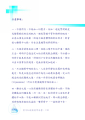
注意事項:
一、不用用力,不施加一切壓力。例如:避免緊閉眼皮或擠壓眼球附近的肌肉,避免緊繃手臂和胸部的肌肉,全身必須充分放鬆,因為不論身體哪個部位用力,都會使心離開中心點,而去注意緊緊的那個部位。
二、不用存在想見的心理,保持心情平和的中道,護持正念,時時不忘憶念定心的目標及默念佛號。不必擔心何時才能見到光球,時候到了它會自然顯現出來,猶如日出日落等自然現象,是無法催促加速的。
三、不必觀察呼吸的
本內容提供了冥想過程中需注意的幾點要素,強調全身放鬆的重要性,避免用力和不必要的壓力。講述了在冥想時無需焦急期望成果,要保持平和心態並護持正念,盡量隨心而行。指導讀者不必集中注意在呼吸上,而是專注於心靈的光明,並於日常生活中持續保持心靈的安定,無論身體的姿態如何,專注於佛號並想像清淨的水晶球,使心靈長時間保持在中心點,最終達到靜心的境界。欲瞭解更多內容,請至dmc.tv探索。
41
蒙昆贴牛尼祖师的修行之路
40
蒙昆贴牛尼祖师
舍命精进
佛历二四五九年,他辞别契度弥寺的住持须列普塔嚩(恩)法师,到暖武里府挽果县俟静的芭库威寺结雨安居,开始深入的专修。这天正是十月的月圆日,清晨出外托钵之前,他在内心发起精进修行的誓愿:
我出家受戒已经十二年之久,虽然每天努力修行,无论在解门的读诵藏经方面及行门的目信含那 观修方面,没有一天间断过,仍未能证悟佛陀的正法。我应该更加精进,以求证悟佛教的真理。若不赶紧精进修
在佛历二四五九年,蒙昆贴牛尼祖师辞别寺院,前往芭库威寺,开始深化修行。在十月的月圆日,他立下誓愿更加努力,努力证悟佛教真理。尽管他经过12年的修行,依然感到不满足,因此决定在打坐时不离座,专注于内心的修行,追求真正的启示与觉悟。
29
Introduction to Dhammakaya Meditation
The word “Dhammakaya” appealed to him. The Great Master said, “Dhammakaya is the Buddha.” He even referenced a Pali term from the Tripitika: “Dhammakayo (aham iti.pi,” (Pali) to confirm that the Buddh
The text discusses the meaning of Dhammakaya as the essence of Buddha, citing references from Pali texts. It mentions the influence of Khun Mae Acariya Chandra in advancing meditation practices and ho
16
หลักฐานธรรมาภายในคัมภีร์พุทธโบราณ
หลักฐานธรรมาภายในคัมภีร์พุทธโบราณ 1 ฉบับวิชาการ
ส.อ. สยุตตนีาย อุฏฏถภา สารตถปลาสีน 1-3 (มจร.)
ส.อ. สุตตนิปป์ อุฏฏถา ปรมุตตโชติภา 1-2 (มจร.)
องค์.ฉกุก. องค์คุณตรนิวาย ฉกนิใบต
องค์.นวก. องค์คุณตรนิวาย
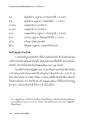
บทความนี้นำเสนอหลักฐานธรรมาภายในคัมภีร์พุทธโบราณ โดยอิงจากพระไตรปิฎกและคำภีร์รำลือในอักษรโรมัน ชี้แจงวิธีการอ้างอิงต่างๆ และรายละเอียดเกี่ยวกับการอ้างอิงในแต่ละฉบับ เนื้อหามาจากโปรแกรมสืบค้นพระไตรปิฎก
88
Bibliography of Buddhist and Linguistic Resources
Bibliography
Devlin, Joseph. A Dictionary of Synonyms and Antonyms. 2d ed. New York: Popular Library Inc., 1961.
Guralnik, David B. Webster’s New World Dictionary: Compact School and Office Edition.
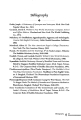
This bibliography compiles crucial references for understanding Buddhism and language, featuring dictionaries such as 'Concise Pali-English Dictionary' and 'Webster’s New World Dictionary'. The works
50
Knowledge and Practices in Insight Meditation
วิจกิฉานา, ความลังเลสงสัย doubts, uncertainty
วิชชา (vijjā) knowledge
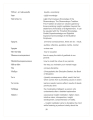
วิชชาธรรมกาย (vijjā Dhammakāya) Knowledge of the Dhammakaya; The Dhammakaya Tradition. This Tradition is based on wisdom gaine
เนื้อหานี้เกี่ยวกับการศึกษาแนวคิดต่างๆ เกี่ยวกับวิชชา วิญญาณ และการปฏิบัติในวิปัสสนา ซึ่งเป็นกระบวนการฝึกจิตเพื่อสร้างความเข้าใจในความจริง ภายใต้แนวทางของธรรมกาย ความสำคัญของการระลึกถึงความดีของพ่อแม่