

Buddha-Bild : ค้นหาหนังสือธรรมะ หน้า 24 / 94
หน้าหนังสือทั้งหมด
187
Transportation of Communities in Buddhist Scriptures
to transport the community from one continent to another or even one world to another. In the time of the Buddha, the scriptures report that people and the Universal Monarch were transported from anot
This text discusses the transportation of the community during the time of Buddha, where beings from Uttarakururūpa were brought to Jambudīpa via the Jewelled Wheel of the Universal Monarch. After the
188
Understanding the Dhammacakka Pavattana Sutta
[vāddha-saṃsāra] on the levels of the Sensual Plane, the Form Plane and the Formless Plane so that we can enter upon Nirvana.
Thus in the inauguration of the Dhamma to the world, these two reasons are
The Dhammacakka pavattana Sutta marks the inaugural teaching of the Buddha, delivered at Isipatana Deer Park two months post-enlightenment. This Sutta introduces foundational concepts in Dhamma, empha
194
Choosing the Right Disciples in Buddhism
so many lifetimes in his past of pursuing Perfections, still
had to waste six years in the discovery of the Dhamma, stak-
ing his own life for the knowledge — how much harder
would it be for others to
Through his past lifetimes and pursuit of Perfection, the Buddha dedicated six years to discover the Dhamma. Acknowledging the difficulty others may have in understanding, he chose his first disciples
201
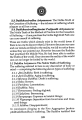
The Noble Truths of Suffering and Cessation
3.3 Dukkhanirodha Aryasacca: The Noble Truth of the Cessation of Suffering—the sickness of suffering which plagues us all has a cure;
3.4 Dukkanirodhagāminī Paṭipadā Aryasacca: The Noble Truth of the
The Noble Truths articulate the nature of suffering and its cessation. Dukkha encompasses various types of suffering including birth, aging, and death, as well as emotional pains like sorrow and disap
206
Knowledge of the Path to Cessation of Suffering
3.8.1 Dukkhanirodhagāminī Saccāṇa: Knowledge of the existence of Path to the Cessation of Suffering.
3.8.2 Dukkhanirodhagāminī Kiccaṇāṇa: Knowledge of what must be done in relation to Path to the Ces
This text discusses the twelve stages of the Cycle of Examination derived from the Four Noble Truths and their relation to enlightenment. It elaborates on the three circuits: knowledge of existence, k
208
The Proclamation of Deities in Buddhist Cosmology
to the deities of Yāma Heaven.
Hearing the proclamation of the Tavātma deities, the deities of the Yāma Heaven proclaimed the news to the deities of Tusita Heaven.
Hearing the proclamation of the Yāma
In Buddhist cosmology, the deities of Yāma Heaven relay a proclamation to Tusita, Nimānārati, and Paranimitavasavatī Heavens, causing a cosmic event. This gains the attention of the Lord Buddha, refer
230
Insights into Buddhist Teachings
Kondaṇña 142; abstention from killing 158-60; instilled by loving kindness 141; tool of Right Livelihood 144
Right View 20, 39-40, 115, 117, 118, 141, 197: transcendental 39-40; mundane, 39, 147-51; a
This text discusses various Buddhist concepts such as Kondaṇña's role in understanding Right View and the importance of loving kindness and self-discipline in achieving liberation. It highlights examp
236
Glossary of Buddhist Terms
Akiṇiṭṭhā (P. Realm of Supreme anurakkhāṇa-paddhāṇa (maintre Brahmas: see form Brahmā
akusalahamma (see unwhole- anusayā (see subtle defilements)
someness) apilapanasati (see monitoring as- alābha (se
This glossary provides definitions and explanations of essential Buddhist terms, including various realms, states of mind, and notable figures. Key concepts such as Anāgamī (non-returner), anatta (not
248
Glossary of Buddhist Terms
sota viṁñāṇa (auditory consciousness: see sense consciousness)
Subhakinhā (P. realm of Brahmās with a steady aura: see form Brahmā realms)
Suddassā (P. realm of the Brahmās who are beautiful: see for
This glossary provides definitions of key terms in Buddhism, including various realms of existence, aspects of consciousness, and significant teachings. It covers concepts such as 'sota viṁñāṇa' (audi
3
No Content Provided
from the same distributors
Academic
9789748920931 Buddhism into the Year 2000
9789748235875 Palitext CDROM Database of the Entire Pali Canon
Biography
9789748940946 The Life & Times of Luang Phaw Wa
No summary available due to lack of text input.
43
Untitled
there existed something else — something he had never known before. Then he started to realise that there must be a hidden meaning to the 'Middle Way'. That tiny spot at the centre of his body might b
No summary available due to lack of content.
134
Untitled
in preserving elements of the oral tradition of medita-
tion in Theravada Buddhism against the homogenizing
influence of scripturally-based techniques of his time.
He had a significant pioneering inpu
No content provided for summary.
137
The Art of Mindful Living
Glossary
Anusāvanācāriya — the junior examining monk of the two monastic examiners at the ordination whose duty is to give teachings and advice to the ordinand.
Arahant — one who has purified themse
In a fast-paced world, the practice of mindfulness offers a sanctuary for the mind. This guide explores the significance of being present, the science behind mindfulness, and practical techniques to i
3
OCR Text Processing
from the same distributors
Academic
97897484920931 Buddhism into the Year 2000
9789748235875 Palitext CDROM Database of the Entire Pali Canon
Biography
9789748940946 The Life & Times of Luang Pha
การประมวลผลข้อความ OCR คือการใช้เทคโนโลยีในการแปลงข้อมูลภาพเป็นข้อมูลข้อความที่สามารถแก้ไขได้. เทคโนโลยีนี้มีการพัฒนาขึ้นเพื่อช่วยในการอ่านข้อมูลจากเอกสารที่ถูกสแกน การใช้ OCR ช่วยประหยัดเวลาและลดข้อผ
95
การเกิดใหม่และบุญในศาสนาพุทธ
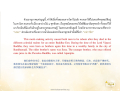
ด้วยอนุภาพแห่งบุญนี้..ทำให้เมื่อถึงสองสวาสวรรค์จากโลกไปแล้ว พวกเขาได้ไปสวรรค์ทิพย์สมบัติอยู่ในเทวโลก จนกระทั่งเมื่อเวลากลับไป.. พุทธศักราช..ถึงยุคสมัยของพระวิปัสสนาสมาสมุทรพเจ้า ทั้งสองก็ได้มาเกิดเป็น
ด้วยอนุภาพแห่งบุญทำให้เมื่อถึงสองสวาสวรรค์ พวกเขาได้ไปเกิดในสวรรค์จนกระทั่งได้กลับมาเกิดใหม่ในยุคพระวิปัสสนา ทั้งสองมาเกิดเป็นพี่น้องในตระกูลเศรษฐีในพระนครพันธมิตร โดยบิดามารดาระบุชื่อลูกชายว่า เสนะ แ
134
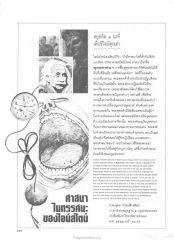
ศาสนาในทรรศนะของไอน์สไตน์
๑๒๖
ศาสนา
ในทรรศนะ
ของไอน์สไตน์
หยุดคิด ๑ นาที
เพื่อชีวิตมีคุณค่า
ไอน์สไตน์เองเขียนไว้ว่า “ถ้ามีศาสนาใดที่เข้ากันได้กับ
แนวคิดทางวิทยาศาสตร์สมัยใหม่ ศาสนานั้นก็คือ
พุทธศาสนา การฟื้นฟูพุทธศาสนาให้ทันสม
ศาสนา ในทรรศนะ ของไอน์สไตน์ หยุดคิด ๑ นาที เพื่อชีวิตมีคุณค่า ไอน์สไตน์เองเขียนไว้ว่า “ถ้ามีศาสนาใดที่เข้ากันได้กับ แนวคิดทางวิทยาศาสตร์สมัยใหม่ ศาสนานั้นก็คือ พุทธศาสนา การฟื้นฟูพุทธศาสนาให้ทันสมัยไม

59
พิธีกรรมวันมาฆบูชา
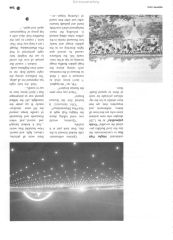
WAT PRADHAMMAKAYA
Crowds began drifting
toward the vast gathering place
about four P.M. Thousands of
black a meter high candle-torch
poles lined the grassy landscape.
The focus was the immense
grassy
WAT PRADHAMMAKAYA Crowds began drifting toward the vast gathering place about four P.M. Thousands of black a meter high candle-torch poles lined the grassy landscape. The focus was the immense grassy
63
การเฉลิมฉลองวันมาฆบูชา
Quinine enthusiasti-
celebrated Magha Pujā
Day to commemorate the cally looked forward to the
day the Lord Buddha pre-
ached the so-called "Ovāda
pățimokkha" to his 1,250
disciples who were arahants
(
Quinine enthusiasti- celebrated Magha Pujā Day to commemorate the cally looked forward to the day the Lord Buddha pre- ached the so-called "Ovāda pățimokkha" to his 1,250 disciples who were arahants (

73
ประสบการณ์การทำสมาธิ
her friends met Ms. Tao who was conducting
meditation classes in the evenings.
Ms. Tao taught them the 'Dham-
makaya' method whereby a crystal ball
was used as their focal point or object of
meditatio
her friends met Ms. Tao who was conducting meditation classes in the evenings. Ms. Tao taught them the 'Dham- makaya' method whereby a crystal ball was used as their focal point or object of meditatio

99
การเรียนรู้ที่วัดพระธรรมกาย
A
s visiting monks from
Bangladesh, Ven. Buddha Priya and
I have been. staying at Wat Phra
Dhammakāya since June to learn
more about Buddhism, especially,
Meditation in the Dhammakaya
Technique The di
A s visiting monks from Bangladesh, Ven. Buddha Priya and I have been. staying at Wat Phra Dhammakāya since June to learn more about Buddhism, especially, Meditation in the Dhammakaya Technique The di