

Buddha-Nature : ค้นหาหนังสือธรรมะ หน้า 71 / 76
หน้าหนังสือทั้งหมด

23
วัดพุทธโสภบรอันท์
Wat Buddha Heilbronn
Raiffeisen Str.58, D-74182 Obersulm-Willsbach, Deutschland
https://www.facebook.com/profile.php?id=100011106635876
kalyanamitra.org
41
ชีวิตก่อนบวช
ชิวิตก่อนบวช
บางคนผ่านโลกภายนอกรามหลาย มีทั้งดี และ ไม่ดี
แต่พอมา บวชนั่งสมาธิ ไม่รู้เรื่องอะไรมา ก่อน
นั่งเห็นความสงบมีความสุข เลยชอบ อยากบวชไปเรื่อย ๆ
เข้าใจเลยว่า ชีวิตที่ผ่านมาแค่ เพลิน ๆ ยังไม่ใช
บทความนี้พูดถึงประสบการณ์ชีวิตก่อนการบวชที่มีทั้งดีและไม่ดี แต่เมื่อได้บวชและนั่งสมาธิ กลับค้นพบความสงบและความสุขที่แท้จริง การได้เห็นธรรมะและองค์พระทำให้รู้สึกสบายใจและต้องการบวชต่อไป สะท้อนให้เห็นว่
55
การรักษาสมาธิหลังการทำสมาธิ
ประคองใจนอกกอบ
นิ่ง นุ่ม เบา มีความสุขโดยที่ใจกลิ้ง ๆ ไม่คิดอะไร
ส่วนกายหยาบก็ทำกิจวัตรปรกติ ล้างหน้า แปรงฟัน บิดกาวเสนาณ
ส่วนภายในก็เป็นประคองดวงธรรมาหรืองค์พระตลอด
พบกันที่ศูนย์กลางกาย
หรื
การรักษาจิตใจของเราหลังจากการทำสมาธิเป็นสิ่งสำคัญ ควรดำเนินชีวิตตามกิจวัตร اليومية เช่น การล้างหน้า แปรงฟัน แต่ยังคงรักษาสมาธิภายในด้วยการมุ่งมั่นยึดศูนย์กลางของร่างกาย และสำหรับมือใหม่ แนะนำให้นำภาพม

57
วัดพุทธเวียนนา
Wat Buddha Vienna
Langobardenstrasse 2, 1220 Wien, Austria
https://www.facebook.com/Dmcwatvienna
kalyanamitra.org

63
วัดพุทธเวนิส
Wat Buddha Venice
Via Circonvallazione, 32, 30030 Maerne VE, Italy
https://m.facebook.com/story.php?story_fbid=1074546016650419&id=10022850923522
kalyanamitra.org
69
ความสุขที่แท้จริงในพระพุทธศาสนา
พระธรรมทยาท่านหนึ่ง มีจิตสัทธา
ท่านอยู่แนวตะเข็บชายแดนไทยพม่า
เดินข้ามภูเขามาหลายลูก
เพื่อมาบวชเป็นพระภิกษุในพระพุทธศาสนา
ท่านมีศรัทธา พอบวชแล้วก็ตั้งใจฝึกฝนอบรมตนเอง
วันหนึ่ง ท่านนั่งนิ่ง ๆ เห็นดวงธร
พระธรรมทยาท่านหนึ่งที่มีความศรัทธา ได้เดินข้ามภูเขามาบวชเป็นพระภิกษุในพระพุทธศาสนา ด้วยความตั้งใจฝึกฝนอบรมตนเอง วันหนึ่งท่านเห็นดวงธรรมและองค์พระ ทำให้ท่านเข้าใจว่าความสุขแท้จริงเกิดจากใจที่หยุดนิ่ง ท
81
การทำสมาธิและความสุข
นั่งหลับตาทำสมาธิแล้วกิดอารมณ์สงบสุข มีความสุข
เป็นจุดเริ่มต้นที่ดี
ง่าย ผ่อนคลายสบาย นิ่ง นุ่ม เบา อยากอยู่ตรงนี้นาน ๆ
อย่างการนึกภาพภายใน
ไม่ว่าจะเป็นดวงแก้วร่องค์พระ เป็นบริกรรมมิติ
นิคอย่าง นิ่ง น
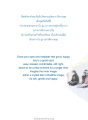
การนั่งทำสมาธิเป็นกระบวนการที่ช่วยให้เรารู้สึกสงบและมีความสุข การหยุดพักจากความวุ่นวายและมุ่งมั่นที่จะอยู่ในปัจจุบัน เป็นการทำลายความเครียดและเสริมสร้างความผ่อนคลายในการดำเนินชีวิต การนึกภาพภายในเช่นด

107
Wat Buddah Iceland
Tjarnargata 7.230 Reykhanesbaer, Iceland
https://www.facebook.com/Wat-Buddha-iceland-429761810556543
kalyanamitra.org
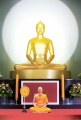
37
There is no visible, readable text in the image provided. The image primarily features a meditating monk in front of a large golden Buddha statue.
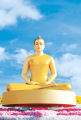
159
There is no visible text in the image to perform OCR on. The image depicts a golden Buddha statue seated in a meditative posture against a blue sky with clouds and surrounded by pink flowers at the ba
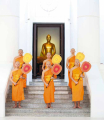
4
There is no visible text in the image to perform OCR on. The image shows five young Buddhist monks in orange robes holding umbrellas, standing on stairs in front of a large golden Buddha statue inside
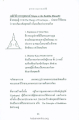
10
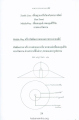
มหาฤทธามายาเถิดีย์และทฤษฎี 2 กาย
มหาฤทธามายาเถิดีย์
เจดีีย คือ พระพุทธองค์ (Stupa as the Buddha Himself):
ด้วยทฤษฎี 2 กาย The Theory of Two Kayas... บงบอกไว้ชัดเจน
ว่าพระสัมมาสัมพุทธเจ้านั้นจะต้องประกอบด้วย
1. Rupakaya of Great Man
บทความนี้อธิบายทฤษฎี 2 กายของพระพุทธเจ้า รวมถึง Rupakaya ที่แสดงถึงพระมหาอุปบูรษ และ Dharma-Kaya ซึ่งเป็นกายแห่งการตรัสรู้ธรรม โดยแสดงให้เห็นว่าทั้งสองกายนี้ต้องซ้อนกันสนิทในพระอรหันต์และสัมมาสัมพุทธเ
23
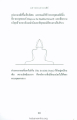
มหาธรรมกายเจดีและทางสายกลาง
มหาธรรมกายเจดี
Zenith Line: เชื่อมฐานหรือโลกกับพระอาทิตย์
Sun Door
MiddleWay: เชื่อมมนุษย์ ภมนุษย์ไว้กับอายตนะนิพพาน
Middle Way หรือ มัชฌิมมรรคของมหาธรรมกายเจดีย์
มัชฌิมรรค หรือ ทางสายกลาง คือ หนทางต
มหาธรรมกายเจดีเป็นแนวคิดที่เน้นการเชื่อมต่อระหว่างมนุษย์กับพระนิพพาน ผ่านแนวทางหรือมัชฌิมรรคซึ่งเป็นวิถีทางสายกลางที่สอนให้ปฏิบัติอย่างมีเหตุผล โดยมีการประสานสวรรค์ต่างๆ, พรหม, และอรูปพรหม เพื่อให้มนุ
37
มหาธรรมกายเจดีย์
มหาธรรมกายเจดีย์
รูปแบบเจดีย์ขึ้นเป็นพิเศษ และสมควรให้ว่าพระพุทธเจดีย์นั้น
คือ พระพุทธองค์ (Stupa as the Buddha Himself) และเพื่อความ
บริสุทธิ์ ชนชาวธิเบตมั่นภายในฐานพระเจดีย์ของเขาเป็นสีขาว
ส่วนทรงก
มหาธรรมกายเจดีย์มีรูปแบบที่พิเศษ สื่อถึงการเป็นภาพแทนของพระพุทธองค์ และความบริสุทธิ์ของศาสนาพุทธ ด้วยความเป็นจุดศูนย์กลางที่มีความสำคัญ โดยเฉพาะอย่างยิ่งทรงกลมภายในที่มองไม่เห็น สื่อถึงมัชฌิมมรรคนั้นค
1
DHAMMAKAYA FOUNDATION
'BUDDHISM IN PLAIN ENGLISH' SERIES 3
THE BUDDHA'S FIRST TEACHING
by Phrabhavanaviryakhun
(Phra Phadet Datjaw)
(Note: The extracted text is based on the visible portions of the
2
The Buddha's First Teaching
by Prabhavanuvauriyakhun
(Phra Phadet Dattaejevo)
DHAMMAKAYA FOUNDATION
'BUDDHISM IN PLAIN ENGLISH' SERIES 3
9
Buddhism in Plain English: A Practical Approach
above — delusion, renunciation and the Buddha’s previous meditation experience — before embarking on the remainder of this book.
Finally, it should be mentioned that the aim of books in the 'Buddhism
This book aims to make Buddhist scriptures accessible to beginners by presenting them in plain English while maintaining accuracy. It provides Pali terminology alongside translations and encourages re
42
The Noble Eightfold Path and the Factors of Enlightenment
kings must accept with obeisance. This is because the Noble Eightfold Path is a supreme and noble practice.
2. A Wide Ocean: It can be compared to the wide ocean into which all rivers must flow. The
The Noble Eightfold Path is presented as a supreme practice in Buddhism, comparable to a vast ocean into which all rivers flow, embodying the essential Factors of Enlightenment. It comprises the Four
44
Understanding Right Intention and Right Speech in Buddhist Practice
subtle defilements¹ [anusaya].
2.1 Right Intention (mundane): At low level Right Inten- tion means having the wholesome intention to be generous, keep the Five Precepts, renounce the world to become a
This text discusses key aspects of Buddhist practice, specifically focusing on Right Intention and Right Speech. Right Intention involves having wholesome intentions such as generosity and the desire
61
Understanding Suffering in Buddhism
4. Death [marana dukkhā]
5. Sorrow [soka dukkhā]
6. Lamentation [parideva dukkhā]
7. Pain [dukkha dukkhā]
8. Feeling slighted [domañassa dukkhā]
9. Bemoaning [upāyassa dukkhā]
10. Exposure to hateful
บทเรียนของพระพุทธเจ้ามุ่งเน้นไปที่การเข้าใจทุกข์และธรรมชาติของมัน เช่น ความทุกข์จากการเกิด, ความตาย, และอารมณ์ต่างๆ เช่น ความโศกเศร้า การพลัดพราก และความผิดหวัง ความทุกข์เกิดจากการคลั่งไคล้ในaggregate