

C& : ค้นหาหนังสือธรรมะ หน้า 357 / 507
หน้าหนังสือทั้งหมด
52
Exploring Buddhist Concepts and Monastic Life
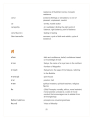
residence of Buddhist monks; monastic residence
(vedana) feelings or sensations; is one of pleasant, unpleasant, neutral
envy; hostile action
(in meditation) finding the right point of balance; right
เนื้อหานี้สำรวจแนวคิดที่สำคัญในพุทธศาสนา เช่น ความรู้สึกหรือเวทนา ความโชคร้ายในสังสารวัฏ และการใช้ชีวิตในที่อยู่อาศัยของพระสงฆ์ นอกจากนี้ยังมีการพูดถึงหลักศีลธรรมและคุณธรรมที่สนับสนุนการปฏิบัติที่ดีโด
53
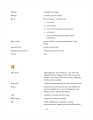
ศีลพรตและศีลธรรม
ศีลพรต
ศีลธรรม morality; morals; ethics
ศีล ๕ Five Precepts, consisting of:
1. not to kill
2. not to steal
3. not to commit sexual misco
ศีลพรตเป็นแนวทางปฏิบัติทางศีลธรรมที่สำคัญในศาสนา โดยมีศีล ๕ ซึ่งยกตัวอย่างเช่น ไม่ฆ่าสัตว์ ไม่ขโมย ไม่ประพฤติผิดทางเพศ ไม่โกหก และไม่ดื่มสุรา ศีลธรรมช่วยให้เกิดความสงบสุขในชีวิตและมีแนวทางการปฏิบัติที
54
Meditation and Buddhist Concepts
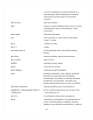
a form of meditation practice that leads to a
concentrated, direct awareness of transient
phenomena as they arise in the present
moment
สติ กับ สบาย
สุขู
(stupa) a round Buddhist shrine, dome or to
เนื้อหานี้เสนอความรู้เกี่ยวกับการทำสมาธิ และแนวคิดทางพุทธศาสนา โดยชี้ให้เห็นถึงการฝึกฝนจิตใจให้มีสมาธิเป็นหนึ่งเดียว ความสำคัญของการมีสติในปัจจุบัน และอธิบายความหมายของคำต่างๆ เช่น สมะ, สติ, สบาย, และ
55
ความหมายและการปฏิบัติสมาธิในพุทธศาสนา
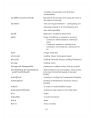
สมาธิคือการเก็บใจเอาไว้ในตัว
สมานดตา
สมาบัติ
สมาธิ
สมุห์าย
สรณะ
สร้างความดี
สร้างบารมี
สร้างบุญ
สร้างบุญบารมี ได้ลอดรอดฝัง
สร้างวัดให้เป็นวัด สร้างพระให้เป็นพระและสร้างคนให้เป็นคนดี
สวดปฏิสังขรณ์
สวดพ
เนื้อหานี้กล่าวถึงความสำคัญของสมาธิในการพัฒนาจิตใจ โดยการสร้างบารมีและทำความดี นอกจากนี้ยังอธิบายเกี่ยวกับการประกอบศาสนกิจ เช่น สวดมนต์ และการสร้างวัดให้เป็นสถานที่สักการะ เพื่อส่งเสริมความดีและสร้างค
56
Concepts in Buddhist Terminology
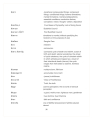
สังขาร (sankhara) compounded things; component things; conditioned things; kamma formations; mental formations; mental predispositions; essential conditions; conductive factors; conception; notion; th
Text discusses various Buddhist terms and concepts including 'สังขาร' (sankhara) which refers to conditioned things and mental formations. It details the concept of 'สังสาร' (samsara) as the cycle of
57
Understanding Key Buddhist Concepts
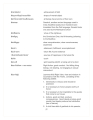
စัทธ Sambhā
achievement of faith
สัณฐานหรือรูปทรงของมโนติ shape of mental object
สัตว์ทั้งหลายมีกรรมเป็นของตน all beings have kamma of their own
สันสกฤต Sanskrit, another ancient language used in I
This text provides important insights into various Buddhist concepts including the achievement of faith (စัทธ Sambhā), the nature of mental objects, the principle that all beings possess their own kar
58
Understanding Right Speech and Right Effort in Buddhism
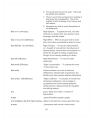
6. This world and the next do exist. There will be afterlife and reirths;
7. There is such thing as being born instantly in fully grown form (opapatika). This is the method of birth of beings in the h
This text explores key concepts in Buddhism, highlighting the existence of the afterlife and rebirth, the importance of purification for monastics, and the principles of Right Speech, Right Effort, Ri
59
Understanding Buddhist Concepts: Kamma and Virtue
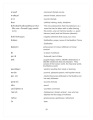
สาราณรี (samaneri) female novice
สายสัญจร sacred thread; sacred cord
สาวก (savok) disciple
ลิกขา (sikkha) training; study; discipline
สิ่งที่จะติดตัวไปเป็นสมบัติของเราจริง ๆ คือ กรรม ทั้งกรรมดี (บุญ)
เนื้อหานี้มีการอธิบายแนวทางทางพระพุทธศาสนา รวมถึงคำสำคัญต่างๆ ที่ช่วยให้เข้าใจถึงกรรม, การศึกษา, และความสุขในชีวิตหน้า สิ่งที่จะติดตัวไปจริงๆ ของเราคือกรรม ซึ่งสามารถเป็นกรรมดีหรือกรรมชั่ว สิ่งที่ทำให
63
Concepts of Enlightenment in Buddhism
อายามูชุ cause of ruin; roads to ruin; gateway to destruction
อัย Tant giving of forgiveness
อั ญ ญา super-knowledge; ultra-conscious insight; divine
อิ ธรรม power; spiritual power; supranatural
บทเรียนสำคัญเกี่ยวกับแนวคิดในพระพุทธศาสนา ได้แก่ อายามูชุ (ภาวะสูญเสีย), อรหันต์ (บุคคลผู้มีคุณธรรม), อริยสัจ ๔ (ความจริงอันสูงสุด ๔ ประการ) ซึ่งเป็นรากฐานในการตีความศาสนา พระพุทธเจ้าทรงค้นพบความจริงเ
64
ศัพท์และคำจำกัดความในพระพุทธศาสนา
อเวจี the lowest hell
อสงไขย eternal length of time; eons; eternity; infinity
อสูักะ a corpse
อิงสงสาร non-violence
อิโหสิกรรม forgiven Kamma
อัครสาวก chief disciple
อังคุตตรนาคาย (Anguttaranikaya) Nu
เนื้อหาประกอบด้วยศัพท์และคำจำกัดความในพระพุทธศาสนา เช่น อเวจี (the lowest hell) หมายถึงนรกที่ต่ำที่สุด, อสงไขย (eternity) แสดงถึงระยะเวลายาวนาน, อัตตา (atta) ซึ่งหมายถึงตัวตนหรืออีโก้ของบุคคล นอกจากนี
65
นิรวาณและแนวคิดในพุทธศาสนา
นิรวาณ Nirvana
อายะ/อารยัน Aryans, ancient people of Asia who spoke an Indo-European language and called themselves Ariyas (“noble ones”). Sometime between 2000 B.C. and 1000 B.C. the Ariyas migrated
บทความนี้สำรวจแนวคิดสำคัญในพุทธศาสนา รวมถึงนิรวาณ ซึ่งเป็นเป้าหมายสูงสุดในการเข้าถึงการหลุดพ้นจากความทุกข์ อธิบายการกำเนิดของอารยันและการย้ายถิ่นไปยังอินเดีย พร้อมทั้งอธิบายวันอาสาฮิปูนชะ ที่พระพุทธเจ
66
คำศัพท์และแนวคิดเกี่ยวกับพระพุทธศาสนา
อินทรีย์ sense-faculties
อุคคหนิมิตต์ mental image; learning sign
อุคมุติปัญญน The highly intelligent -- a person with quick intuition
อุทิวงจากทุกจจะ
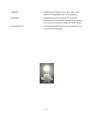
เนื้อหาเกี่ยวกับคำศัพท์ในพระพุทธศาสนาที่สำคัญซึ่งรวมถึงความเข้าใจเรื่องจิตใจ การฝึกสมาธิ การบรรลุธรรม โดยพิจารณาถึงความคิดเช่น อุเบกขา (Equanimity) ที่แสดงถึงความมีสติและความมั่นคงในสภาพจิตใจ นอกจากนี
67
Understanding Key Concepts in Buddhist Philosophy
อโตปะ (ottappa) moral dread; moral fear; fear of the results of wrongdoing; fear of wrongdoing
อโปปักะ (opakapatika) spontaneously-born creatures; creatures that can be born instantly in full grown f
บทความนี้นำเสนอแนวคิดสำคัญในพุทธศาสนาโดยเฉพาะคำศัพท์ที่เกี่ยวข้องกับการสอนและปรัชญาทางศาสนา เช่น อโตปะ ซึ่งหมายถึงความกลัวต่อความผิดศีล ความกลัวเกี่ยวกับผลที่ตามมาจากการกระทำผิด และ อโปปักะ ซึ่งหมายถึ
69
Popular Dhamma Topics
Popular Dhamma Topics
INDEX
1. Buddhism
2. The Buddha’s Life
3. The Teachings of the Buddha
- The Four Noble Truths (Noble Truths of Suffering)
- The Noble Eightfold Path (the Path to end suffe
This page provides an index of popular Dhamma topics within Buddhism. It covers key concepts such as the Buddha's life, core teachings like the Four Noble Truths and the Noble Eightfold Path, and esse
70
Understanding Buddhism: A Cosmic Religion
BUDDHISM
‘The religion in the future will be a cosmic religion.
It should transcend a personal God and avoid dogma and theology.
Covering both the natural and the spiritual, it should be based on
Buddhism, founded by the Buddha over 2,500 years ago, emphasizes freedom from suffering and is based on logical, practical principles. This religion transcends blind faith and superstitions, making it
72
Understanding Nirvana and the Path to Enlightenment
Nirvana
Nirvana (Pali, Nibbanna) is the state of ultimate happiness -- the happy condition of enlightenment -- the highest spiritual attainment. This is not the sense-based happiness of everyday life;
Nirvana, or Nibbanna, represents the ultimate state of happiness in Buddhism, transcending the sense-based joys of daily life. Attaining Nirvana marks the end of the rebirth cycle, granting liberation
73
Understanding Dharma and Buddhist Practices
gratitude; there is life after death; heavens and hells exist, and enlightenment is attainable.
Dharma
*Dharma* (Pali, Dhamma) has many meanings: the Truth, the way of the Nature, the right way of l
Dharma, meaning Truth and the way of Nature, is central to Buddhism. Buddhists are guided by three main practices: doing good, avoiding evil, and purifying the mind through meditation. They adhere to
74
The Power of Generosity and the Languages of Buddhism
The practice of generosity is the easiest one to perform, and the fruits of merit are the
quickest to materialize. The merit result from the practice of generosity is riches and
wealth to the one wh
The practice of generosity is vital in Buddhism, revealing that giving attracts wealth while selfishness repels it, backed by the Law of Karma. Pali and Sanskrit are essential Buddhist languages, with
75
The Early Years of the Buddha
www.dharmmakaya.or.th
THE BUDDHA'S LIFE
The Early Years
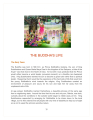
The Buddha was born in 566 B.C. as Prince Siddhattha Gotama, the son of King Suddhodana and Queen Maha Maya Dewi in the kingdom of the Sakyans,
The Buddha, born as Prince Siddhattha Gotama in 566 B.C., was the son of King Suddhodana and Queen Maha Maya in the Sakyans kingdom of North India. Predicted to become either a world leader or a Buddh
76
The Journey of Siddhartha: From Suffering to Enlightenment
The arrangement miscarried, however, for on the first three visits that Siddhatha made to the village he saw things that had a deeply traumatic effect on his over-protected consciousness. He was initi
This text traces the transformative journey of Prince Siddhartha in his quest for understanding suffering and achieving enlightenment. Over the course of several visits to the village, he encounters t