

Greco-Buddhism : ค้นหาหนังสือธรรมะ หน้า 31 / 40
หน้าหนังสือทั้งหมด
27
คำศัพท์ในพระพุทธศาสนา
บ the Buddha’s relics
บรรพชา ordination of a novice; lower ordination
บรรพชิด ascetic; monk; monastic; the ordained
บรรจธรรม attaining the Dhamma
บริการ recitation; to recite; preparation
บริการนิมิต
บทที่สำคัญเกี่ยวกับคำศัพท์ในพระพุทธศาสนา รวมถึงแง่มุมต่าง ๆ เช่น บรรพชา ซึ่งหมายถึงการบวชเป็นพระภิกษุ และบัณฑิตซึ่งหมายถึงผู้ที่มีความรู้และความเข้าใจในศีลธรรม นอกจากนี้ยังมีความหมายของบาป ซึ่งบ่งบอกถ
33
ผลของกรรมและบุญในวิชาชธรรมกาย
ผ ผลของกรรม kamma result; kamma effect
ผลบุญ merit result; fruit of merit; outcome of merit or virtue
ผ่องใส bright; radiant
ผังสำเร็จ
เนื้อหานี้กล่าวถึงผลของกรรมและบุญในวิชาชธรรมกาย โดยเน้นที่การเผยแผ่การทำความดีและความเมตตาให้กับผู้อื่น นอกจากนี้ยังมีการพูดถึงวิธีการฝึกฝนจิตใจเพื่อสร้างความสงบและความสุขในชีวิต การใช้ผ้าฝ่าหรือผ้าไต
35
Understanding the Buddha: His Life and Teachings
Buddha, an 'awaken one' who is fully enlightened and who has realized nirvana without the benefit of a Buddha's teaching in the lifetime in which he attains it. A Buddha is generally regarded as omnis
Buddha, meaning 'awakened', refers to a fully enlightened being. Gotama was the historical Buddha, born in 623 B.C. as Prince Siddhattha in present-day Nepal. At 29, he renounced royal life in search
36
พระโพธิสตวและการฟื้นฟูพระพุทธศาสนา
พระพุทธรูป
พระโพธิสตว
Bodhisatta (Skt, Bodhisattva), enlightened being.
-- In the Theravada, this refers to the single being striving to realize nirvana and become the next Buddha.
-- In the Mahayana,
เนื้อหาเกี่ยวกับพระโพธิสตวในพระพุทธศาสนา ตั้งแต่แนวคิดในเถรวาทไปจนถึงมหายาน และการฟื้นฟูพระพุทธศาสนาของพระมงคลเทพมุนี ซึ่งเป็นพระอาจารย์ใหญ่แห่งวัดปากน้ำภาษีเจริญ โดยพระมงคลเทพมุนีได้ฟื้นฟูคติธรรมทางก
41
Understanding Right Livelihood and Mindfulness in Buddhism
Right Livelihood (Samma Achiva) -- earning one's living by not causing harm and suffering to others;
Right Effort (Samma Vayama) -- making an effort in the right things;
Right Mindfulness (Samma Sati)
เนื้อหานี้กล่าวถึงมรรคหรือหลักการปฏิบัติต่างๆ ในพุทธศาสนา เช่น การดำรงชีวิตที่ถูกต้อง (Samma Achiva) ซึ่งช่วยให้ไม่ก่อให้เกิดความทุกข์แก่ผู้อื่น, ความพยายามที่ถูกต้อง (Samma Vayama) ในการพยายามทำในสิ่
42
มามะบุชา
มามะบุชา
Magha Puja, Buddhist religious day in commemoration of the Great Assembly of Disciples. Magha Puja Day, full moon day of the 3rd lunar month (February/March) marks the day 1,250 Arahants from
มามะบุชา หรือ วันธรรมะ เป็นวันที่เฉลิมฉลองการชุมนุมของพระอรหันต์ 1,250 รูป ที่มาชุมนุมเพื่อเคารพพระพุทธเจ้าในวันพระจันทร์เต็มดวงของเดือนที่ 3 ตามปฏิทินจันทรคติ ไม่มีการนัดหมายและเป็นการมาด้วยความสมัคร
47
วัดพระธรรมกาย: อาณาจักรแห่งการฝึกสมาธิในพระพุทธศาสนา
วชิราน
Vadjrayana, a Mahayana sect (Tibetan Buddhism)
่วัฏจะ round of existence; cycle of rebirth
วัด Buddhist temple
วัดพระธรรมกาย The Dhammakaya Temple, estab
วัดพระธรรมกายถูกก่อตั้งในวันมหาปุญญาเมื่อ 20 กุมภาพันธ์ 1970 โดยกลุ่มพระธรรมและผู้เลื่อมใส เจ้าอาวาสพระมงคลเทพมุนีได้เผยแพร่การทำสมาธิธรรมกายเป็นวิธีการเพื่อเสริมสร้างความสงบและปัญญาแก่ผู้คน วัดดำเนิน
48
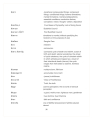
Exploring the Principal Buildings of Dhammakaya Temple
constructions are built to benefit the Buddhist religion in the most worthwhile way and and to provide the maximum merits for donors.
Principal buildings at the Dhammakaya Temple:
• Maha Dhammakaya
วัดธรรมกายมีการสร้างสิ่งก่อสร้างที่มีความสำคัญเพื่อประโยชน์แก่ศาสนาพุทธ โดยเฉพาะเจดีย์มหาธรรมกายซึ่งมีพิพิธภัณฑ์พุทธภาพ 300,000 รูปและมีความจุ 400,000 คน นอกจากนี้ยังมีสนามประชุมกรรมฐานที่สามารถรองรับ
56
Concepts in Buddhist Terminology
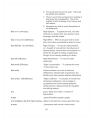
สังขาร (sankhara) compounded things; component things; conditioned things; kamma formations; mental formations; mental predispositions; essential conditions; conductive factors; conception; notion; th
Text discusses various Buddhist terms and concepts including 'สังขาร' (sankhara) which refers to conditioned things and mental formations. It details the concept of 'สังสาร' (samsara) as the cycle of
58
Understanding Right Speech and Right Effort in Buddhism
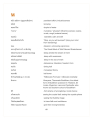
6. This world and the next do exist. There will be afterlife and reirths;
7. There is such thing as being born instantly in fully grown form (opapatika). This is the method of birth of beings in the h
This text explores key concepts in Buddhism, highlighting the existence of the afterlife and rebirth, the importance of purification for monastics, and the principles of Right Speech, Right Effort, Ri
60
統一努力; 勤奋
知道
滴水
“息”
粗獷的,物質感的
静止,平静且静
“停止,這樣你將成功” (停止你的思想漂泊)
迷惑; 无知; 无知
Wat Paknam Bhasicharoen
在金水中平静的王子
在流淌的美德中睡觉
睡眠中觉醒
在美德之海中睡觉
解脱; 解放; 自由
餐厅
寺庙图书馆
钟楼
“百万富翁公式”; 百万富翁心态
Hinayana; Theravada Buddhism;
62
Understanding Buddhist Concepts: Key Terms and Definitions
phenomena; outside the sphere of natural law; supernatural (unexplainable phenomena)
อดิษฐาน past life; previous life; previous existence
อทินนนทาน taking what is not given; stealing
อทุกขมสุข neither
This text presents key Buddhist concepts such as 'อนัตตา' (non-self), emphasizing that there is no lasting essence, only the illusion of self that causes attachment. It discusses 'อนิจจตา' (impermanen
63
Concepts of Enlightenment in Buddhism
อายามูชุ cause of ruin; roads to ruin; gateway to destruction
อัย Tant giving of forgiveness
อั ญ ญา super-knowledge; ultra-conscious insight; divine
อิ ธรรม power; spiritual power; supranatural
บทเรียนสำคัญเกี่ยวกับแนวคิดในพระพุทธศาสนา ได้แก่ อายามูชุ (ภาวะสูญเสีย), อรหันต์ (บุคคลผู้มีคุณธรรม), อริยสัจ ๔ (ความจริงอันสูงสุด ๔ ประการ) ซึ่งเป็นรากฐานในการตีความศาสนา พระพุทธเจ้าทรงค้นพบความจริงเ
65
นิรวาณและแนวคิดในพุทธศาสนา
นิรวาณ Nirvana
อายะ/อารยัน Aryans, ancient people of Asia who spoke an Indo-European language and called themselves Ariyas (“noble ones”). Sometime between 2000 B.C. and 1000 B.C. the Ariyas migrated
บทความนี้สำรวจแนวคิดสำคัญในพุทธศาสนา รวมถึงนิรวาณ ซึ่งเป็นเป้าหมายสูงสุดในการเข้าถึงการหลุดพ้นจากความทุกข์ อธิบายการกำเนิดของอารยันและการย้ายถิ่นไปยังอินเดีย พร้อมทั้งอธิบายวันอาสาฮิปูนชะ ที่พระพุทธเจ
77
The Enlightenment of Siddhattha Gotama
was himself freed. He lastly surveyed the process how birth inevitably leads to aging, sickness and death, which is a prelude to yet another birth – and one that will merely turn the Wheel of Life thr
This text recounts the journey of Siddhattha Gotama, who realized that life is a cycle of birth, aging, sickness, and death, culminating in his enlightenment as the Buddha. At dawn, he perceived the u
80
Ten Perfected Virtues and Right View
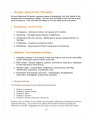
Ten Perfected Virtues (Paramis):
1. Dana giving, charitable act, generosity
2. Sila morality, ethics, precepts
3. Nekkhamma renunciation; relinquishment of worldly possessions
4. Panna wisdom
5. Viriy
This text outlines the Ten Perfected Virtues (Paramis) in Buddhism, emphasizing the significance of Dana (generosity), Sila (morality), and other virtues for a moral life. It explores Sammadhitti or R
82
Hiri-Ottapa: Understanding Shame and Fear of Wrongdoing
Hiri-ottapa – Shame and Fear of Wrongdoing
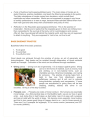
Hiri and ottapa are Pali words, meaning ‘shame of wrongdoing’ (hiri) and ‘fearful of the consequence of wrongdoing’ (ottapa). One who has hiri-ottapa is one
Hiri and Ottapa are pivotal concepts in Buddhism, representing the shame of wrongdoing and the fear of its consequences. Together, they foster a good moral conscience. Individuals devoid of these trai
84
The Core Principles of Buddhist Living
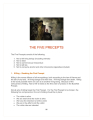
Purity of livelihood (achivaparissuddhismavara): The main duties of monks are to study Dhamma, practice meditation, and teach the Dharma knowledge to the public. The daily subsistence of monks comes f
This text outlines the essential duties and practices of Buddhist monks focusing on livelihood, moderation, and core principles of Buddhism. Monks dedicate themselves to studying Dhamma, meditating, a
86
The Five Precepts of Buddhism
THE FIVE PRECEPTS
The Five Precepts consist of the following:
1. Not to kill living beings (including animals)
2. Not to steal
3. Not to commit sexual misconduct
4. Not to tell lies
5. Not to consume
The Five Precepts in Buddhism outline ethical guidelines for practitioners, emphasizing respect for life among other moral behaviors. The First Precept, which prohibits killing, is noted as the graves
92
Understanding the Importance of the Fifth and Eight Precepts
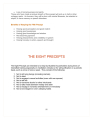
- Loss of consciousness and sanity
Those who have made a serious breach of this precept will end up in hell or other unhappy realm. As humans, they will be born with mental illnesses, be retarded or
The text discusses the severe consequences of violating the Fifth Precept in Buddhism, leading to unhappiness and potential mental disorders in future lives. It emphasizes the benefits of adhering to