

Jhana : ค้นหาหนังสือธรรมะ หน้า 1 / 2
หน้าหนังสือทั้งหมด
114
Understanding Dispassion and Detachment in Dhammakaya Meditation
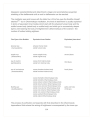
…er of bodies totaling eighteen.
Five Eyes of the Buddha Equivalent Inner Bodies Equivalent jhana level
physical eye (mamsacakkhu) physical human body first jhana
angelic eye (dibbacakkhu) …
… in the body of enlightenment (Dhammakaya) of the arahaht. The meditator progresses through various jhana levels and attains a deeper understanding of the self, leading to Nirvana. These concepts are paral…
131
Mindfulness and Right Concentration in Buddhism
7.4 Mindfulness of the *dhammas* in the *dhammas*
Mindfulness of the *dhammas* in the *dhammas* is to see and consider the mental phenomena both inside and outside, the whole of the time. Seeing the
Dieser Abschnitt behandelt die Achtsamkeit gegenüber Dhammas und die richtige Konzentration im Buddhismus. Die Achtsamkeit richtete sich sowohl auf innere als auch äußere mentale Phänomene, die erford
102
The Path to Self-Reliance Through Meditation
…to firmly be inside the body. When we can do this, people call it obtaining the first absorption or jhana. So the first absorption is when the mind is still and we feel happy or joyful. In the second jhana…
บทความนี้นําเสนอวิธีการที่การปฏิบัติและสมาธิสามารถนํามาซึ่งการพึ่งพาตนเอง ตามแนวทางที่พระพุทธเจ้าได้วางไว้ การทำสมาธิช่วยให้จิตใจสงบ ช่วยให้เรากลับพบกับความสุขและความสดใสที่แท้จริง ด้วยการฝึกฝนและการม
103
The Essence of Meditation and the Four Jhanas
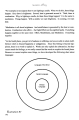
…ogether at the same time: Effort, Mindfulness, and Meditation. Everything together.
"At the fourth jhana, you get rid of sadness or suffering, and you are able to attain indifference which is beyond happi…
… candle, three phenomena occur: brightness, heat (effort), and combustion (mindfulness). The fourth jhana transcends happiness and unhappiness, leading to a profound state of indifference that cannot be fu…
80
The Three Forms of Craving in Buddhism
The Three forms of Craving
The Lord Buddha taught that there are three sorts of craving: craving for sense-pleasure [kāmaṭhaṇa], craving for the form realms [bhavatānha] and craving for the formless r
The Lord Buddha identified three types of craving: 1) Craving for Sense-Pleasure (kāmaṭhaṇa) signifies a longing for sensory experiences which misleads individuals into thinking happiness comes from e
81
Understanding Ascetic Practices and the Pursuit of Brahmā Realms
The ascetics who subscribe to this dogma and who have developed a certain degree of meditation, may acquire the ability to recollect their previous lives and will know what form they had taken in prev
Ascetics who follow specific dogmas may recollect their past lives and aspire to be reborn in the Form-Brahmā world, striving for the Ultimate Truth. They believe that by enhancing their meditation pr
236
Glossary of Buddhist Terms
Akiṇiṭṭhā (P. Realm of Supreme anurakkhāṇa-paddhāṇa (maintre Brahmas: see form Brahmā
akusalahamma (see unwhole- anusayā (see subtle defilements)
someness) apilapanasati (see monitoring as- alābha (se
This glossary provides definitions and explanations of essential Buddhist terms, including various realms, states of mind, and notable figures. Key concepts such as Anāgamī (non-returner), anatta (not
84
The Wisdom of Dhammakaya
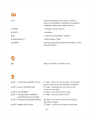
…e body, two
finger's width above navel level.
11.Pathama Magga: equivalent to the first absorption [jhana].
12.The positive spiritual energy in your mind stored up by good
deeds such as generosity, self-di…
The Wisdom of Dhammakaya, described as vijja dhammakaya, represents deep, insightful knowledge attained through meditation, facilitating liberation from samsara. Key figures include the Great Master P
16
Understanding Meditation Bases and States of Insight
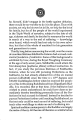
ฒ
ฒาน
(jiha) absorption; bliss state; a state of serene contemplation attained by meditation; meditative attainment; state of trance
ฒานวิสัย meditation power (jhāna)
ฒานปฏิกิริยา cremation
ฒาน insigh
บทความนี้สำรวจฐานต่างๆในการทำสมาธิและความสำคัญของมันในการบรรลุสถานะของความรู้แจ้งและความสุข ฒานหมายถึงสถานะของการนำพาจิตใจไปสู่ความสงบและการตรึกตรองที่ลึกซึ้ง ฺการทำสมาธิสามารถแบ่งออกได้เป็นหลายฐาน เช
7
The Journey of Siddhartha Gotama Towards Enlightenment
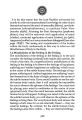
he, himself, didn’t engage in the battle against delusion, there would be no-one else to do it in his place. Thus with anxiety, *not only* for his own lot in life, *not only* for the lot of his family
This text delves into Siddhartha Gotama's profound realization that if he did not confront the battle against delusion, no one would. Motivated by anxiety for himself, his family, and all beings trapp
125
Cultivating Transcendental Knowledge in Buddhism
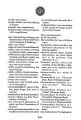
It is for this reason that the Lord Buddha advocated his monks to cultivate transcendental knowledge in order to put themselves beyond the reach of sensuality [kāma], unwholesomeness [akusalamadhaṃma]
The Lord Buddha encourages monks to attain transcendental knowledge to rise above sensuality and eradicate False View. Achieving the First Absorption endows practitioners with joy, happiness, and focu
238
Key Terms in Buddhist Philosophy
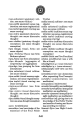
byādhi (see illness)
byādhi dukkhā (see the suffering of illness)
byāpāda (see vengefulness)
byāpādavitaka (see preoccupation with vengefulness)
cāgo (relinquishing, letting go: see characteristics of
This text delves into significant terms and concepts in Buddhist philosophy, addressing themes such as illness, suffering, relinquishing, and the foundations of success. Important terms like byādhi (i
246
Fundamental Concepts in Buddhist Psychology
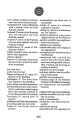
rasa-saṅchetana (gasticatory volition: see sense volition)
rasa-saṃnā (gasticatory sense registration: see sense registration)
rasa-tanḥa (gasticatory craving: see sense craving)
rasa vicāra (ga
This text elaborates on significant concepts in Buddhist psychology, including gasticatory and visual perceptions such as rasa (taste) and rūpa (form). It addresses terms like gasticatory volition, se
248
Glossary of Buddhist Terms
sota viṁñāṇa (auditory consciousness: see sense consciousness)
Subhakinhā (P. realm of Brahmās with a steady aura: see form Brahmā realms)
Suddassā (P. realm of the Brahmās who are beautiful: see for
This glossary provides definitions of key terms in Buddhism, including various realms of existence, aspects of consciousness, and significant teachings. It covers concepts such as 'sota viṁñāṇa' (audi
139
Untitled
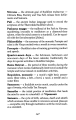
Nirvana — the ultimate goal of Buddhist endeavour — Ultimate Bliss, Eternity and True Self, release from defilements and Samsara.
Pali — the ancient Indian language used to record the scriptures of th
No summary available due to lack of content.