

n : ค้นหาหนังสือธรรมะ หน้า 232 / 322
หน้าหนังสือทั้งหมด
65
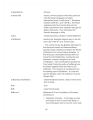
นิรวาณและแนวคิดในพุทธศาสนา
นิรวาณ Nirvana
อายะ/อารยัน Aryans, ancient people of Asia who spoke an Indo-European language and called the…
บทความนี้สำรวจแนวคิดสำคัญในพุทธศาสนา รวมถึงนิรวาณ ซึ่งเป็นเป้าหมายสูงสุดในการเข้าถึงการหลุดพ้นจากความทุกข์ อธิบายการกำเนิดของอารยันและการย้ายถิ่นไปยังอินเดีย พร้อมทั้งอธิบายวันอาสาฮิปูนชะ ที่พระพุทธเจ
66
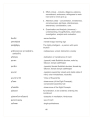
คำศัพท์และแนวคิดเกี่ยวกับพระพุทธศาสนา
อินทรีย์ sense-faculties
อุคคหนิมิตต์ mental image; learning sign
อุคมุติปัญญน The hi…
…สำคัญซึ่งรวมถึงความเข้าใจเรื่องจิตใจ การฝึกสมาธิ การบรรลุธรรม โดยพิจารณาถึงความคิดเช่น อุเบกขา (Equanimity) ที่แสดงถึงความมีสติและความมั่นคงในสภาพจิตใจ นอกจากนี้ยังพูดถึงอุปสรรคในการทำสมาธิที่อาจเกิดขึ…
70
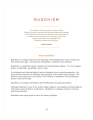
Understanding Buddhism: A Cosmic Religion
BUDDHISM
‘The religion in the future will be a cosmic religion.
It should transcend a personal God and avoid dogma and t…
Buddhism, founded by the Buddha over 2,500 years ago, emphasizes freedom from suffering and is based on logical, p…
71
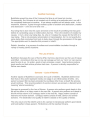
Buddhist Cosmology and the Cycle of Rebirth
Buddhist Cosmology
Buddhists accept the view of the Universe that time is not linear but circular. Consequently, the Universe is not created out of nothin…
Buddhist cosmology views the universe as cyclical, with no creation or destruction at a single point in time. Beings are born into …
72
Understanding Nirvana and the Path to Enlightenment
Nirvana
Nirvana (Pali, Nibbanna) is the state of ultimate happiness -- the happy condition of enlight…
Nirvana, or Nibbanna, represents the ultimate state of happiness in Buddhism, transcending the sense-…
73
Understanding Dharma and Buddhist Practices
gratitude; there is life after death; heavens and hells exist, and enlightenment is attainable.
Dharma
*Dharma* (Pali, Dhamma) has many meanin…
Dharma, meaning Truth and the way of Nature, is central to Buddhism. Buddhists are guided by three main practice…
74
The Power of Generosity and the Languages of Buddhism
The practice of generosity is the easiest one to perform, and the fruits of merit are the
quickest to materialize. The…
The practice of generosity is vital in Buddhism, revealing that giving attracts wealth while selfishness repels it, bac…
75
The Early Years of the Buddha
www.dharmmakaya.or.th
THE BUDDHA'S LIFE
The Early Years
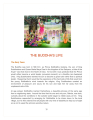
The Buddha was born in 566 B.C. as Prince Siddhattha Gotama, the son of King Suddhodana and Queen Maha Maya Dewi in the…
The Buddha, born as Prince Siddhattha Gotama in 566 B.C., was the son of King Suddhodana and Queen Maha Maya in the …
76
The Journey of Siddhartha: From Suffering to Enlightenment
The arrangement miscarried, however, for on the first three visits that Siddhatha made to the village he saw …
This text traces the transformative journey of Prince Siddhartha in his quest for understanding suffering and achieving enlig…
77
The Enlightenment of Siddhattha Gotama
was himself freed. He lastly surveyed the process how birth inevitably leads to aging, sickness and death, which is a prelude to yet another birth – and one that …
This text recounts the journey of Siddhattha Gotama, who realized that life is a cycle of birth, aging, sickness, an…
79
Understanding Suffering and the Noble Eightfold Path
2. Origin of suffering - Suffering arises from attachment to desire, craving
(tanha). People themselves creat…
This text discusses the origin of suffering, which stems from attachment to desire and worldly pleasures. It highlights that suffe…
81
Understanding the Five Aggregates, Tenfold Path of Wholesomeness, and Four Lofty States of Mind
Khandha 5 Five Aggregates (elements, attributes of being)
1. Rupa form, physical self, body. Rupa is …
This text delves into three significant aspects of Buddhist philosophy: the Five Aggregates which consist of Rupa (form…
82
Hiri-Ottapa: Understanding Shame and Fear of Wrongdoing
Hiri-ottapa – Shame and Fear of Wrongdoing
Hiri and ottapa are Pali words, meaning ‘shame of wrongdoing’ (hiri) and ‘fear…
Hiri and Ottapa are pivotal concepts in Buddhism, representing the shame of wrongdoing and the fear of its …
88
Understanding the First Two Precepts of Buddhism
Benefits for keeping the First Precept—Not to Kill
• You will be free from physical disability; you wil…
The First Precept emphasizes the importance of not killing, which leads to various physical and mental benefits, including a long life and go…
89
Understanding Karma and Retribution for Stealing and Sexual Misconduct
The amount of effort put into the stealing -- The more effort put into the stealing, the more serious the ret…
การลงโทษจะต้องตรงกับอาชญากรรม อาชญากรรมการขโมยทำให้เกิดความทุกข์ให้ผู้อื่น ซึ่งการทำผิดที่ทำให้ผู้อื่นเดือดร้อนมากจะมีโทษที่รุนแรงกว่า อย่างเช่น ถ้าขโมยทำให้ผู้ถูกขโมยทุกข์ยากมาก จะถูกลงโทษหนัก เช่น อ
94
Understanding Merit and Demerit: The Law of Karma
The opposite of merit is demerit, or ‘sin’. Demerit is the product of bad deeds. Bad deeds cause ‘bad karma’. Demerit is a negative energy th…
The opposite of merit is demerit, representing the consequences of bad deeds which cause negative karma. Both good and bad deeds are governed …
95
Understanding Merit and Its Impact on Life
someone who is angry or hateful. When we are happy and content with ourselves, we project a personality of…
Merit is an integral part of our personality, bringing satisfaction and contentment while enhancing social grac…
98
The Impact of Good Deeds and Dhamma Practices
Rejoicing in the merit of others. Give appreciation and encouragement to those who perform good deeds. This …
การทำดีและการให้บุญแก่ผู้อื่นเป็นเรื่องสำคัญที่ช่วยเสริมสร้างการสนับสนุนจากผู้อื่น การสอนธรรมะเป็นรากฐานสำหรับหลักจริยธรรมและปัญญาทางจิตวิญญาณ ซึ่งเปิดทางให้เรารู้ถึงกฎแห่งกรรม การเกิดใหม่ และความจริง
99
Types of Generosity: Understanding Charitable Giving
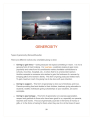
GENROSITY
Types of generosity (Danavatthusutta)
There are different motives why charitable giving is …
This text discusses various motives for charitable giving as outlined in the Danavatthusutta. It identifies three main types of generosity: giving to gain f…
102
The Importance of Pure Giving
- The giver is pure -- The more pure the giver the more merit he will receive in his giving. It is wise for the giver to practice at least the Five Precepts to achieve purity. Puri…
The act of giving is enhanced by the purity of the giver. By adhering to the Five Precepts, one can achieve greater …