

one-pointedness : ค้นหาหนังสือธรรมะ หน้า 79 / 109
หน้าหนังสือทั้งหมด
47
Carnegie Endowment for International Peace
Carnegie Endowment for International Peace
The Carnegie Endowment for International Peace is a private, nonprofit organization dedicated to advancing cooperation between nations and promoting active
The Carnegie Endowment for International Peace is a nonprofit organization focused on fostering cooperation between nations and enhancing U.S. involvement globally. Established in 1910, this nonpartis
11
การเดินตามบันไดแห่งชีวิต
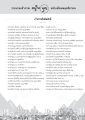
"เกิดมาว่าจะมากแล้ว พอแล้วไม่ว่าจะเกิดมาทำอะไร
อ้ายที่อยากมันก็หลอก อ้ายที่หยอกมันกลวง ทำให้จิตเป็นห่วงเป็นใย
เลิกอยากลายอก รับออกจากกาม เดินตามบันไสรามเรื่อยไป
เสร็จธุจสิหก ไม่ตกก็นดาร เรียวว่าพนันกไ
บทเทศนานี้เน้นถึงการไม่พยุงติดกับเรื่องราวที่เกิดขึ้นในชีวิต และเสนอให้ละจากกามหรือความพอใจชั่วคราว ใช้ชีวิตตามบันไดแห่งความรู้และการพัฒนาจิตใจ โดยการมุ่งเน้นที่ธรรมชาติของความไม่แน่นอนในชีวิตและการปล
90
รายการเจ้าภาพ ฉบับเดือนพฤศจิกายน
รายการเจ้าภาพ ฉบับเดือนพฤศจิกายน
เจ้าภาพกิจติมศักดิ์
○ พระกฤตะยะ ลิขณโม (กุลณโภร) รุ่น ๒๕ คำวิชัชย์ และฤทธิ์ติ ตะอเทิตย์
○ พระพิธีริน ทอดมโน ครอบครัววรสมะ-พีเดะ ชานุมุทิ
○ พระวัดเขา คณะครัวเวหะพีเดะ
○
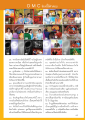
ในช่วงเดือนพฤศจิกายนนี้ รายการเจ้าภาพกิจติมศักดิ์มีจำนวนมากที่เข้าร่วมเพื่อเสริมสร้างความเป็นอันหนึ่งอันเดียวกันในสังคม หนึ่งในนั้นได้แก่ พระกฤตะยะ ลิขณโม พร้อมสมาชิกจากหลายครอบครัวเช่น ครอบครัววรสมะ-
95
Exploring Spiritual Imagery and Meditation
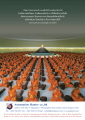
1. (Images of Buddha, meditation, natural scenes, and traditional textiles)
2. (Images of women interacting, people at a temple, and group discussions)
3. (Black and white images of planets or moons,
This content presents a compilation of images symbolizing spirituality and meditation, encompassing depictions of the Buddha, natural settings, and traditional textiles. It features women engaging in
117
รายนามเจ้าภาพ ฉบับเดือนกุมภาพันธ์
รายนามเจ้าภาพ ฉบับเดือนกุมภาพันธ์
เจ้าภาพกิติมศักดิ์
○ พระฤกษ์ตะล จิตตโมโน (คุณปรีชา) รุ่น ๒๔ คำถิ่นชัย และฤกษ์นิคริต ○ พระโอภาส ปากโหล พร้อมฤกษ์นิคริต
○ พระกิตติวัฒน์ ปอนอาเวชไช และฤกษ์ติว
○ พระครูปภ
รายนามเจ้าภาพในฉบับเดือนกุมภาพันธ์ประกอบด้วยพระและคณะเจ้าภาพมากมาย เช่น พระฤกษ์ตะล จิตตโมโน, พระโอภาส ปากโหล และพระกิตติวัฒน์ ปอนอาเวชไช เป็นต้น โดยแต่ละท่านมีบทบาทสำคัญในกิจกรรมที่จัดขึ้น. รายชื่อเหล
25
การค้นหาความหมายของชีวิต
"เกิดมาว่าจะมาทำอะไร พอแล้วไม่ว่าจะเกิดมายทำอะไร
ถ้าขี้ที่อยากมันก็หลอก ถ้าขี้ที่หยอกมันก็ลวง ทำให้จิตเป็นห่วงเป็นใย
เลิกอยากลายอยาก รีบออกจากกาม เดินตามขันธ์สามเรื่อยไป
เสร็จภิญฺญาไม่ตกกันดาร เรียกว่
เนื้อหาดังกล่าวพูดถึงความหมายของการเกิดมาเพื่อทำสิ่งต่างๆ และการหยุดความอยากเพื่อนำไปสู่การพ้นทุกข์ ผ่านการเดินตามขันธ์สาม นับเป็นแนวทางในการทำความเข้าใจภายในจิตใจเพื่อเข้าถึงความสงบและการบรรลุธรรม.
7
Exploring Buddhist Meditation and Its Significance
Preface
Not a month goes by these days without another important article being published on some newly uncovered Buddhist text, and among the discoveries are ancient materials about Buddhist meditati
This preface discusses the ongoing discoveries in Buddhist meditation texts and the efforts of Venerable Phrakrupaladnayokwarawat (Sudhammo Bhikkhu) in promoting scholarly exploration. It emphasizes t
8
The Importance of Indigenous Scholarly Voices in Buddhist Studies
instance, are of non-Japanese origin). But DIRI is crucial for fostering many and varied 'indigenous scholarly voices' - of those who can speak more and more confidently within contemporary academic f
This text highlights the significance of DIRI in promoting indigenous scholarly voices in Buddhist studies. It discusses how the journal can facilitate knowledge sharing, consultation among experts, a
16
Launch of the Journal of the Dhammachai International Research Institute
Introduction
This collection of articles marks the launch of the Journal of the Dhammachai International Research Institute (JDIRI). The articles presented here indicate some of the perspectives on B
This collection of articles marks the launch of the JDIRI, showcasing perspectives on Early Buddhism and meditation studies. The journal aims to publish research on ancient manuscripts and esoteric pr
17
Exploration of Pāli Manuscripts in Laos
The journal begins with Anatole-Roger Peltier's article on his investigations of a wooden chest containing palm-leaf manuscripts that were recently discovered in a cave in the Khammouan province of La
This journal features an article by Anatole-Roger Peltier on a wooden chest containing palm-leaf manuscripts found in Laos. The texts, dated to the sixteenth century, reveal their roots in the Pāli ca
18
Understanding Dhammakāya and Theravāda Manuscripts
and is ‘spiritually reborn’. The dhammakāya becomes her new identity as the milk nourishes her spiritually. It is something she is given as a verbal teaching.
To add the material from the Apadānas is
This text delves into the doctrine of dhammakāya, representing a new spiritual identity that arises from teachings, akin to nourishment from milk. It connects the concepts found in the Agañña-sutta, i
19
Exploring Ancient Thai Meditation Manuscripts and Their Influence
of the original content of the palm-leaf manuscript is provided along with a translation into modern Thai and English. It consists of a correlation of body parts with the sublime attributes of the enl
This content discusses the significance of ancient Thai palm-leaf manuscripts, especially those of the bŏran kammaṭṭhān type, which correlate body parts with Buddha's attributes and suggest daily rec
20
Exploring the Cakras and Early Buddhism
the cakras are located, a location that suggests comparisons with Tantra.
While the primary focus of this journal is dhammakāya, Luang Phaw Dhammajayo has instructed the Director of DIRI, Phrakrupladn
This journal focuses on the study of cakras and early Buddhism, emphasizing neutrality across Buddhist schools. Under the direction of Luang Phaw Dhammajayo, the Director of DIRI, Phrakrupladnayokwara
42
Saddhā: The Criterion of Being the Tathāgata's Son
Saddhā: Criterion of being the Tathāgata's Son
The first point to be looked at is the criterion of being the Buddha’s ‘true son’ which is, in this passage, defined by means of his
irremovable confiden
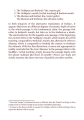
This text discusses the criterion of being the Tathāgata's son, emphasizing the irremovable confidence (saddhā) in the Buddha. It defines this confidence as settled and unchangeable despite external i
49
The Tathāgata and Brahmā: A Semantic Analysis
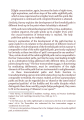
1. The Tathāgata and Brahmā,48 the creator god
2. The Tathāgata's mouth (verbal teaching) & Brahmā mouth.
3. The dhamma and Brahmā, the creator god; or
The dhamma and Brahman, the ultimate reality.
I
This passage delves into the nuanced relationships between the Tathāgata and Brahmā, highlighting the semantic layers present in verbal teachings. It contrasts the Tathāgata's mouth with Brahmā's, ind
52
Understanding the Noble Eightfold Path and Threefold Path in Buddhism
[Right concentration, again, becomes the basis of right views, right aspirations, and other steps of the noble eightfold path, which is now experienced on a higher level, and this spiral-like progress
This text elaborates on the interrelationship between Right Concentration, Right Views, and Right Aspirations as pivotal elements of the Noble Eightfold Path leading to liberation. It discusses the sp
58
Understanding the Concept of Body and Collection in Dhamma
Functionally, however, both terms seem to imply a different relationship between individual members and the ‘totality’ of the whole ‘body’ or ‘collection.’ As a ‘body,’ the ‘totality’ of the whole org
This text analyzes the distinctions between the terms 'body' and 'collection' within the framework of Dhamma, particularly focusing on functional dependence. It argues that while a 'body' maintains es
63
Understanding Paccekabuddhas in Buddhist Philosophy
V. Reference 2: Dhammakāya and Paccekabuddhas
A Paccekabuddha is counted as one of the two types of Buddhas. According to Buddhist philosophy, a Paccekabuddha is a person who is of the highest wisdom
This text discusses the concept of Paccekabuddhas, individuals of high wisdom who achieve self-enlightenment but lack the ability to teach. It explores scholarly arguments about the pre-Buddhist origi
66
Understanding Paccekabuddhas: Characteristics and Dhamma
These verses describe the Paccekabuddhas as ones possessed of supreme purity, wisdom, wakefulness, composure, and having the ability for seeing and knowing. In other words, they are full of realizing
These verses highlight the qualities of Paccekabuddhas, emphasizing their supreme purity, wisdom, and self-enlightenment capacity. The term ‘mahatadhamma’ refers to the great dhammas that relate to th
73
Supramundane Paths and Fruits in Dhammakāya
supramundane paths and fruits. 113 The ‘four pairs’ are mentioned instead when particular paths and their corresponding fruits are collectively called under the same titles. Of the eight transcendenta
The text discusses the different transcendental levels of dhammakāya, highlighting the distinction between trainees and non-trainees. The first seven levels correspond to qualities of trainees, wherea