

one-pointedness : ค้นหาหนังสือธรรมะ หน้า 80 / 109
หน้าหนังสือทั้งหมด
74
Understanding Dhammakāya and Enlightenment
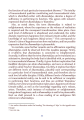
the function of each particular transcendent dhamma.116 The totality of transcendental qualities constituting each transcendental state, which is identified earlier with dhammakāya, denotes a degree o
This text analyses the concept of dhammakāya, highlighting its connection to enlightenment and the associated happiness. It emphasizes the blameless nature of dhammakāya and notes Gotami's insights in
76
Understanding the Terms Kevala and Dhammakāya in Buddhist Texts
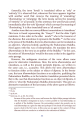
Generally, the term ‘kevala’ is translated either as ‘only’ or ‘entirely.’ It is observed that, whenever the term appears together with another word that conveys the meaning of ‘emanating,’ ‘illuminat
This text explores the interpretation of key Buddhist terms such as 'kevala', which denotes 'only' or 'entirely', particularly in contexts associated with illumination. The term 'dhammakāya', often li
77
Re-evaluating the Concept of Dhammakāya in the Pali Canon
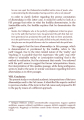
No-one can upset the (Padumuttara Buddhu) entire mine of jewels, who is demonstrating the dhammakāya; having seen him, who is not pleased?
In order to clarify further regarding the precise connotation
This study revisits the term dhammakāya in the Pali canon, highlighting its significance in Buddhist teachings. By examining the Sambuddha-sutta, the relationship between 'the path' and dhammakāya is
78
Understanding Dhammakāya in Early Theravādin Context
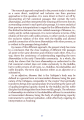
The research approach employed in the present study is intended as a more direct, analytical and inclusive one than previous approaches to this question. It is more direct in that it set off by docume
This study analyzes the term dhammakāya through close readings of Pali canonical passages, revealing that it relates not only to the Buddha but also to other noble figures like Paccakabuddhas and disc
88
Overview of Theravāda Buddhist Manuscripts in China
I will give a brief overview of the manuscripts that have been
discovered and catalogued, an explanation of some current research
projects, and I will discuss some of the problems that threaten
China'
This document provides an overview of Theravāda Buddhist manuscripts found in China, particularly in Yunnan Province. It discusses the significance of these manuscripts within the Dai community and hi
91
Exploration of Theravāda Buddhist Manuscripts in Sipsong Panna
literature.9 It is notable that the Agama Sutras (阿含经) discovered in the Xishuangbanna region are incomplete. For example, the Hinayana Agama should have contained the Khuddaka Patha (小品), Dharma-phra
The Agama Sutras found in the Xishuangbanna region are notable for their incompleteness. The Hinayana Agama is expected to contain various texts that are partly missing. According to The Complete Coll
92
The Role of Sa-Paper in Buddhist Manuscripts
are also certain exceptions to this. For example, Buddhist scriptures that are chanted daily are always copied on sa-paper manuscript for the convenience of page turning and reading. Secular literatur
Sa-paper, made by local artisans, serves as a practical alternative for copying both Buddhist and secular texts in Sipsong Panna. Although less symbolic than palm leaves, sa-paper's ease of use and du
97
Preservation of Palm-Leaf Scriptures in Dai Buddhism
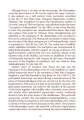
donate palm-leaf scriptures as an act of merit and such donations
appear less frequently in the sacred dantam (贽坦) or offering
ceremony. Donors prefer to donate Buddhist scriptures printed
using mod
This text discusses the decline in donations of traditional palm-leaf scriptures in favor of more accessible and readable texts printed on Chinese and sa-paper. Reasons include cost, legibility, and t
103
The Historical Significance of Dhammakāya Verse in Thai Buddhism
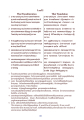
Although there is no date on the manuscript, the dhammakāya verse has been known in the Lan Na regions for many centuries. It also appears on a 16th century stone inscription unearthed at the site of
The dhammakāya verse has been recognized in the Lan Na regions for centuries, with historical inscriptions confirming its existence dating back to the 16th century, specifically at Wat Tham Suea in Ph
107
The Importance of Dhammakāya Stanza
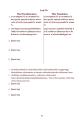
Aṣayānusayamūlā pavaradanāyuggalaṁ; Dassaphalāḷāṅgā pavaramajcimmaggaṁ; Paṭiccasamupāda pavaraniñhi; Indriyayapāñābalaṁ pavarajāṅghaṇā; Dassakussalakkammaṭaṅga pavauruthav
yam; Dassaphalakkhaṅāñāṁ pā
เนื้อหานี้พูดถึงความสำคัญของสัทธรรมคายา โดยมีการอภิปรายเกี่ยวกับการจำบทสวดนี้ได้ด้วยใจและการมีปรีชา ซึ่งเป็นหลักสำคัญของการศึกษาพุทธศาสนา ข้อความนี้กล่าวถึงการชี้ให้เห็นถึงภูมิปัญญาที่ไม่รู้จบ (sabbañ
116
ยาวัตัต tassab yoga tāvatattassakayo sahāvatakhandho maggamaggi athasihadana cattāsadanto ariv aranto sukkamuttajivaho brahmasaro kara vikabhāṇi bunābhamukantare unhisasiso cittarāṁsoti. Imāni davatti
120
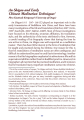
An Shigao and Early Chinese Meditation Techniques
An Shigao and Early Chinese Meditation Techniques¹
Phra Kiattisak Kittipanyo² (University of Otago)
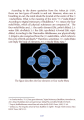
An Shigao安世高 (147~168 CE) played an important role in the early transmission of Buddhism into China
An Shigao (147-168 CE) significantly influenced the early transmission of Buddhism in China. Despite a focus on his ethnicity and translation style, he is recognized as a respected meditation master.
128
Understanding the Four Mahā-Bhūta in Buddhism
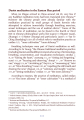
According to the above quotation from the Anban jie 安殘解, there are two types of breath: in and out. However, when one is breathing in-out, the mind should be located at the centre of the mahā-bhūta. W
根据安殘解的引用,有两种呼吸方式:吸气和呼气。然而,当进行呼吸时,心智应位于四大之中。四大是所有物质的组成部分,包括:土、 水、 火和风。根据上座部阿毗达摩,人的身体是由四大组成的,涉及生死循环,有时四大也代表元素的身体。有关四大元素的更深入的信息,请访问dmc.tv。
132
Daoist Meditation in the Eastern Han Period
Daoist meditation in the Eastern Han period
When An Shigao arrived in China around 148 CE, very few if any Buddhist meditation texts had been translated into Chinese.60 However the Chinese people were
In the Eastern Han period around 148 CE, Daoist meditation practices already existed, with references found in ancient texts like the Tao Te Ching. Practitioners sought immortality through various tec
135
Buddhist Influence on Daoist Visualization Techniques
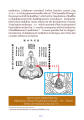
meditation. Lokakṣema translated Foshou banzhou sanmei jing 佛說般若三昧經 Pratyutpanna Samadhi-sūtra or “The Samadhi of Being in the presence of all the Buddhas”, which is the Visualization of Buddha or Bud
This text discusses the translation of Buddhist sutras like the Pratyutpanna Samadhi-sūtra and their influence on Daoist visualization techniques. It highlights how practices such as Buddhānusmṛti and
113
รายนามเจ้าภาพเดือนเมษายน
รายนามเจ้าภาพ ฉบับเดือนเมษายน
เจ้าภาพกิติมศักดิ์
- พระกฤตะ ทิคิดมิโต (กฤตมิโต) รัต ๒๕ คำจากัชย์ และบำมิดิ ตลอด
- พระกิตติวัสสว ปฏิญญาโย และฤทธิ์มิตร
- พระครูใบถ่อมอายุศักดิ์ มุสิลาโก และคณะเจ้าภาพ
-
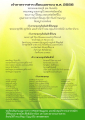
รายนามเจ้าภาพในเดือนเมษายน รวมถึงเจ้าภาพกิติมศักดิ์และเจ้าภาพในกลุ่มที่มีส่วนร่วมในการจัดกิจกรรมและบุญกุศล เพื่อสืบสานและสร้างความดีในสังคม ขอเชิญชวนทุกคนเข้าร่วมสมทบสมาคมศิษยานุศิษย์และเข้าร่วมกิจกรร
48
บุญวารสาร V-PEACE Magazine เดือนเมษายน พ.ศ. 2556
เจ้าภาพวารสาร เดือนเมษายน พ.ศ. 2556
พระมงคลเทพมุนี (สด จนทสโร)
พระเทพญาณมหามุนี (หลวงพ่อธัมมชโย)
พระภาวนาวิริยคุณ (หลวงพ่อทัตตชีโว)
คุณยายอาจารย์มารัตนูญา สีหะกุล ขนกุย
น้อมบูชาธรรมโดย
เจ้าภ
ขอเชิญร่วมบุญในกิจกรรมต่างๆ โดยเฉพาะการสนับสนุนบุญวารสาร V-PEACE Magazine พร้อมพบกับเจ้าภาพกิจกรรมที่มีความสำคัญ เช่น พระเทพญาณมหามุนี และพระภาวนาวิริยคุณ ทีมเจ้าภาพได้แก่ พระมหาสุทธิชัย และ อสม.ที่มี
69
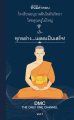
ที่มีคำตอบ
โรงเรียนอนุบาลสันในวิทยา
โดยคุณครูไม่ใหญ่
ทุกอย่าง...ผลออกเป็นเสร็จ!
DMC
THE ONLY ONE CHANNEL
Vol.7

85
ที่มีคำตอบ
โรงเรียนอนุบาลฝันในฝันวิทยา
DMC
THE ONLY ONE CHANNEL

109
ที่มีคำตอบ
โรงเรียนอนุบาลฝันในฝันวิทยา
DMC
THE ONLY ONE CHANNEL