

self-enlightenment : ค้นหาหนังสือธรรมะ หน้า 29 / 45
หน้าหนังสือทั้งหมด
119
The Noble Truth of the Path to the Cessation of Suffering
The Noble Truth of the Path to the Cessation of Suffering
The final of the four Truths of the Noble Ones taught by the Lord Buddha was the Path to the Cessation of Suffering (or the Noble Eightfold P
The Noble Eightfold Path, the final of the Four Noble Truths, is the way to eliminate suffering and attain Nirvana. It consists of eight components: Right View, Right Intention, Right Speech, Right Ac
144
The Components of the Eightfold Path
The Components of the Eightfold Path all arise together
When the factors of the Eightfold Path arise, they do so to-
gether — just as the elder monk Koṇḍañña, after listening
to the Dhammacakkapavatta
This text discusses the Eightfold Path, emphasizing how all eight components arise together as illustrated by the elder monk Koṇḍañña's attainment of Stream-Entry. It explains the importance of Right
154
The Renunciation of the Bodhisatva
"Oh! When will I be able to leave this prosperous Mithila with its castles and towers, abundance of the four requisites?"
The bodhisatva thought in this way for four months before he was able to ful
In his quest for enlightenment, the bodhisatva grapples with renouncing the comforts of Mithila, contemplating his intentions for four months. Upon retreating into the forest, he meditates and develop
175
Monitoring and Discretional Mindfulness
7.1 Monitoring Mindfulness
This form of mindfulness is mindfulness that is constantly monitoring the level of wholesomeness in the mind — never letting wholesomeness slip away from the mind and its in
Monitoring mindfulness involves a constant awareness of the wholesomeness in the mind, akin to a treasurer who tracks the assets of an emperor. It encompasses the recognition of various virtues essent
178
The Three Cycles of Examination in Buddhism
The Three Cycles of Examination comprise:
1. Saccānāna: Knowledge of the existence of each Noble Truth over which the Lord Buddha had unequaled personal knowledge and which he could teach to others wi
The Three Cycles of Examination define knowledge concerning the Noble Truths which the Lord Buddha taught. Saccānāna pertains to the knowledge of each truth’s existence; Kiccanānā addresses the necess
183
Awakening Through Practice: The Path to Sainthood
The Perfections which he had built up for himself from the past, together with the good deeds of his present lifetime added up to a level of Perfections superior to those of his contemporary monks. Co
In the narrative of Koṇḍañña's journey, we see how individual Perfections and good deeds lead to his early awakening, inspiring both him and his companions to deeper faith and dedication in their prac
185
Exploration of the Dhammacakkapavattana Sutta
Appendix A.
Dhammacakkapavattana Sutta
for Pursuers of Perfection
1. Introduction
In this Appendix we delve a little deeper into the meaning of the Dhammacakkapavattana Sutta. The Dhammacakkapava
In this appendix, we explore the Dhammacakkapavattana Sutta and its complexities for modern readers. The Sutta serves as a brief but profound insight, showing how the Dhamma represents a path to enlig
195
The Buddha's First Sermon: A Journey of Enlightenment
just passed away seven days ago and would now have to spend an exceedingly long lifetime in the formless Brahma-world. He might not even have the chance to hear the teachings of the next Buddha, let a
This excerpt discusses the profound moment in the Buddha's life when he sought to teach meditation after renouncing worldly comforts. He encountered obstacles as potential disciples Udaka Rāmaputta an
198
Adapting Teaching Practices Through the Middle Way
how to adapt the teaching for our personal practice. How-ever, if we look at how Luang Phaw Wat Paknam explained these same words, compiled from sermons he gave on many occasions:
SECTION 2: THE MIDDL
In this exploration of the Middle Way as explained by Luang Phaw Wat Paknam, we learn about its significance in achieving insight and reality perception. The Buddha emphasizes the importance of the 'i
199
The Buddha's Teachings on Reality and the Middle Way
the Buddha didn’t explain what the device was by which they could see and know according to reality, they could follow the gist of what he was explaining.
2.3 Benefits of Seeing and Knowing according
This text delves into the teachings of the Buddha regarding the benefits of seeing and knowing according to reality. Although he did not explicitly define the device for achieving this understanding,
203
Buddhist Teachings on Cessation of Suffering
सual realms of existence;
3.2.2.2 Bhavaṭanāḥ: Craving for the pleasure of the "form-absorptions" or for the Brahmā-world;
3.2.2.3 Vibhaṭanāḥ: Craving for the pleasure of the "formless-absorptions"
This text delves into the Buddhist concepts of craving and the cessation of suffering. It describes various forms of craving and how they lead to rebirth, as well as the Noble Truth of cessation where
204
The Noble Eightfold Path and Its Fruits
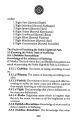
earlier:
1. Right View [Sammā Ditthi]
2. Right Intention [Sammā Saṅkappa]
3. Right Speech [Sammā Vāca]
4. Right Action [Sammā Kammanta]
5. Right Livelihood [Sammā Ājīva]
6. Right Effort [Sammā Vāyāma]
The Noble Eightfold Path consists of eight practices aimed at ethical and mental development, leading to enlightenment. The path includes Right View, Intention, Speech, Action, Livelihood, Effort, Min
205
Understanding the Noble Truths and the Path to Cessation of Suffering
must be done has been done in relation to Suffering.
3.6 Knowing the Noble Truth of the Cause of Suffering
O! Monks! As a result of practising this Noble Eightfold Path, which gave rise to vision, ins
This text discusses the Noble Truths in Buddhism, specifically focusing on the knowledge related to the Origin of Suffering, the Cessation of Suffering, and the path leading to that cessation. Through
208
The Proclamation of Deities in Buddhist Cosmology
to the deities of Yāma Heaven.
Hearing the proclamation of the Tavātma deities, the deities of the Yāma Heaven proclaimed the news to the deities of Tusita Heaven.
Hearing the proclamation of the Yāma
In Buddhist cosmology, the deities of Yāma Heaven relay a proclamation to Tusita, Nimānārati, and Paranimitavasavatī Heavens, causing a cosmic event. This gains the attention of the Lord Buddha, refer
209
Understanding Arahantship in Buddhism
he would become an arahund. Having done the three cycles for each of the Four Noble Truths in each of the Four Inner Bodies, he would have completed the:
"sixteen tasks — until invulnerable to hardshi
This text outlines the journey towards achieving Arahantship as prescribed in the Buddhist tradition, focusing on the importance of completing the sixteen tasks linked to the Four Noble Truths and the
213
Understanding Suffering and Its Origin
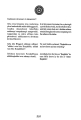
aloko udāpadi. must be done in relation to Suffering.
<3.5.3> Ta
This text discusses the detailed understanding of suffering as articulated by monks. It highlights the arising of wisdom, knowledge, and brightness concerning truths about suffering and its origin tha
217
The Moment of Enlightenment
brahmunā vā kenaci vā lokasminṭi”.
Itīha tena khaṇena tena muhuṭṭena yava brahmalokā saddo abbhuaggacchi. Ayāṅca dasasahassi lokadhātu saṅkampi sampăampi sampa’vedhi. Appamaṇo ca olāro obhāso loke pā
In a significant moment, a cry ascended to the Brahma-world, causing a tremor throughout the ten-thousand-fold cosmos and releasing a vast radiance that surpassed that of the deities. Bhagavā acknowle
227
Understanding Meditation and the Middle Way in Buddhism
manifestation, Path to the Cessation of Suffering as 54
master plan for subsequent teaching, Dhammacakkapavattana Sutta as 10, 186, 189-90
materialism, makes for selfishness 81
meat burnt to the pan -
เนื้อหานี้สำรวจการทำสมาธิและแนวทางสายกลางที่เป็นส่วนสำคัญในคำสอนของพระพุทธเจ้า โดยอธิบายถึงความสำคัญของการตั้งมั่นเป็นสติในปัจจุบัน และการทำความเข้าใจรูปแบบของความรู้สึกและปรากฏการณ์ในจิตใจ การทำสมาธิ
238
Key Terms in Buddhist Philosophy
byādhi (see illness)
byādhi dukkhā (see the suffering of illness)
byāpāda (see vengefulness)
byāpādavitaka (see preoccupation with vengefulness)
cāgo (relinquishing, letting go: see characteristics of
This text delves into significant terms and concepts in Buddhist philosophy, addressing themes such as illness, suffering, relinquishing, and the foundations of success. Important terms like byādhi (i
239
Understanding Suffering in Buddhism
dhammānupassanāsaṭipatthañā dukkhā dukkhā (see the suffering (see mindfulness of mental phenomena in the mental phenomena and also Paṭhama Magga Sphere) Dhammapadāṭhākathā (P. Dhammapada Commentary) d
เนื้อหานี้นำเสนอแนวคิดเกี่ยวกับความทุกข์ในพระพุทธศาสนา รวมถึงการเป็นผู้มีสติในการประจักษ์ทุกข์ การเข้าใจความรู้สึกผิดหวังและความโกรธ ซึ่งเป็นส่วนสำคัญในเส้นทางการพัฒนาทางปัญญาและการปล่อยวาง และการเข้า