

self-enlightenment : ค้นหาหนังสือธรรมะ หน้า 2 / 50
หน้าหนังสือทั้งหมด
11
Unlocking the Inner Light: A Path to Enlightenment
Certainly! Here is the extracted text from the image:
---
**Introduction**
defiled minds. We see our fellow human beings as enemies because of our defined minds. Because of defilements we have feel
This text discusses the importance of meditation in unveiling the true nature of existence. It identifies defilements as the true enemy of humankind, leading to negative emotions such as sadness and a
29
The Enlightenment of Koṇḍañña
his Enlightenment for the benefit of the ‘Group of Five’ — Enlightenment that is supreme in the human world, angel world, Māra-world, Brahmā-world, animal-world, world of monks, world of brahmins, wor
This text discusses the pivotal moment when Koṇḍañña achieved enlightenment after listening to the Buddha’s teachings, recognizing the nature of arising and cessation within himself. The earth-sprites
139
Understanding the Body of Enlightenment in Buddhism
hatred [dosa] and delusion [moha].
Having attained the Sakidägämi Body of Enlightenment,
the meditator uses this Body of Enlightenment to examine
the Four Noble Truths in the Brahmä Body both forwards
บทความนี้สำรวจระดับต่างๆ ของการตรัสรู้ในพุทธศาสนา โดยเน้นถึงการใช้ร่างกายของการตรัสรู้ เช่น Sakidägämi, Anägämi และ Arahant ซึ่งผู้ปฏิบัติธรรมจะสามารถปล่อยวางข้อผูกพันต่างๆ เพื่อเข้าถึงความรู้สูงและกา
83
Understanding Buddhist Perfections and Purpose
82
Glossary
1.The Perfections [paramita] are virtues such as generosity, self-
discipline, renunciation, wisdom, patience, perseverance, sincerity,
resolution, loving-kindness and equanimity. Pursuit
The text outlines key Buddhist concepts, primarily focusing on the Perfections (paramita) like generosity and wisdom, and the importance of a clear life purpose for meditators. It emphasizes the lifes
78
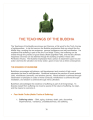
The Teachings of the Buddha
The Teachings of the Buddha
The Teachings of the Buddha are known as Dhamma, a Pali word for the Truth, the law of righteousness. In his first sermon the Buddha emphasized that one should live the Mi
The Teachings of the Buddha, known as Dhamma, emphasize the Middle Way, avoiding extremes of indulgence and self-mortification. Central to Buddha's teachings are the Four Noble Truths, which acknowled
14
Building a Trustworthy Family
involvement with this distrustful person. Good people will not
want to befriend dishonest people because they do not want to
gain a bad reputation through association.
So if a person in a family does
The text emphasizes that honesty and self-control are essential for a trustworthy family environment. Good people avoid associations with dishonesty. A family lacking truthfulness cultivates suspicion
14
Building Strong Family Foundations Through Truthfulness and Self-Control
involvement with this distrustful person. Good people will not want to befriend dishonest people because they do not want to gain a bad reputation through association.
So if a person in a family does
This text discusses the importance of truthfulness (sacca) and self-control (dama) in family dynamics and personal growth. It emphasizes that individuals with a lack of truthfulness can create distrus
62
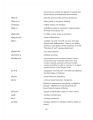
Understanding Buddhist Concepts: Key Terms and Definitions
phenomena; outside the sphere of natural law; supernatural (unexplainable phenomena)
อดิษฐาน past life; previous life; previous existence
อทินนนทาน taking what is not given; stealing
อทุกขมสุข neither
This text presents key Buddhist concepts such as 'อนัตตา' (non-self), emphasizing that there is no lasting essence, only the illusion of self that causes attachment. It discusses 'อนิจจตา' (impermanen
30
Untitled
28 : Universal Goodness
Without bearing in mind the true purposes of one's clothing,
one tends to buy clothing articles on impulse and without thought.
One tends to follow the latest fashion trends i
No summary can be generated due to lack of content.

34
The Universal Love of the Lord Buddha
personal interest. It is the kind of love that the Lord
Buddha had after his enlightenment. Although he had
accompanied Princess Bimba for many lifetimes to
pursue Perfections, he could finally make a
The text reflects on the profound love exemplified by the Lord Buddha following his enlightenment. He released personal affections to pursue spiritual ordination and achieved enlightenment, marking th
42
The Noble Eightfold Path and the Factors of Enlightenment
kings must accept with obeisance. This is because the Noble Eightfold Path is a supreme and noble practice.
2. A Wide Ocean: It can be compared to the wide ocean into which all rivers must flow. The
The Noble Eightfold Path is presented as a supreme practice in Buddhism, comparable to a vast ocean into which all rivers flow, embodying the essential Factors of Enlightenment. It comprises the Four
192
The Importance of the Dhammacakkapavattana Sutta
the other teachings of the Buddha,the teachings of the arahants and the teachings of distinguished Buddhist teachers down to the present time are simply enlargements upon the Dhammacakkapavattana Sutt
บทความนี้กล่าวถึงความสำคัญของพระธรรมจักรปวตนสูตรซึ่งเป็นแผนหลักในการเข้าถึงการตรัสรู้ ภาพรวมของสอนต่างๆ ของพระพุทธองค์และพระอรหันต์ ต่อจากนี้ยังบอกเราถึงสาเหตุการเผยแผ่พระธรรมจักรปวตนสูตร และการที่พระ
219
Understanding Suffering and Enlightenment in Buddhism
Angelic Body 107, 122; defilements by attaining Dhammakaya 111 of 135
bemoaning, as suffering 47, 58, 71,
anger 135, 136, 137 199; relationship to sorrow and lam-
animal kingdom, suffering of birth en
This text delves into key Buddhist teachings regarding suffering, attachment, and the process of attaining enlightenment. It analyzes various forms of suffering, including the suffering associated wit

203
ประโยชน์จากการบริจาคพระพุทธรูป
Those who are not born during the life of a Buddha must
seek refuge in the Lord Buddha's teachings, unaware of His
appearance.
Our country's ancestors, who experienced and attained
high levels of medi
Those who are not born during the life of a Buddha must seek refuge in the Lord Buddha's teachings, unaware of His appearance. Our country's ancestors, who experienced and attained high levels of medi
45
The Teachings of the Buddha: Understanding Enlightenment
Suzanne Jeffrey
why we are here and where do we go after death. So, we have some questions regarding His life: for example, why did he spend six years in self-mortification? Is the number six signifi
In this teaching, Luang Por discusses the significance of the Buddha's life and his journey towards enlightenment. Born into wealth and possessing unique qualities, the Buddha sought wisdom from an ea
224
Insights on Suffering and Enlightenment
execution, suffering of at death 68
Existence, Cycle of 9, 16, 37, 178, 185-6
extinction of craving, transcendental 100, 115, 175
Extinction of Suffering, Noble Truth of(see Cessation of Suffering, No
This text delves into pivotal Buddhist doctrines centered around suffering and enlightenment. It discusses the cycle of existence and the importance of overcoming craving. With references to meditativ
81
Understanding Dhammikāya in Buddhist Philosophy
Dhammapāla, like Buddhaghosa, employs the term dhammikāya
mostly as a noun, and relates it either with the Buddha’s mental
qualities and purity,134 with the Enlightenment either of the Buddha135
or hi
Dhammapāla discusses dhammikāya, relating it to the Buddha's mental qualities and Enlightenment. This term connects the Buddha's teachings and truths, illustrating his purity and extraordinary qualiti
223
Exploring Dhammakāya and the Eightfold Path
Dhammakāya, Sotāpana: Effort, Right (see Right Effort)
Coarse, 108, 134; defilements of
Eightfold Path: arises internally as 136-7; Subtle, 108, 134
sphere 105; components 20, 117,
Dhammakāya Traditi
This text delves into the Dhammakāya tradition, highlighting key components of the Eightfold Path and its teachings on defilements, enlightenment, and the nature of suffering. Concepts are illustrated
17
Insights from Luang Por: Buddha, Jesus, and Meditation
…ddhists do not say sin, but wholesome or unwholesome."
Then Jon asks, "Was Buddha aware of his own self-enlightenment?"
Luang Por looks at Jon with the utmost seriousness and says, "Buddha is aware of self-enlightenm…
…ng Buddha's teachings on proving everything versus Jesus' acceptance. He articulates the concept of self-enlightenment and describes the Cetiya, likening its circles to the human mind. Furthermore, he humorously addres…
143
Understanding the Dhamma Body and the Noble Path
Dhamma Body — not with the human eye or the naked eye.
All the knowledge that brought him to Buddhahood came
by the ‘knowing’ of the Dhamma Body, not by rationale or
reasoning with the logical (hum
The Dhamma Body can only be perceived beyond the human eye, allowing the Buddha to grasp deep truths about existence. His compassion drove him to teach the Noble Path for the liberation of others, adv