

self-understanding : ค้นหาหนังสือธรรมะ หน้า 43 / 75
หน้าหนังสือทั้งหมด
137
The Importance of Teaching the Five Precepts to the Younger Generation
can we expect the younger generation to see the importance
of observing the precepts? This unfortunate situation has led
more people to disregard the precepts until ignorance has
become the norm. And
This text discusses the declining observance of the Five Precepts among younger generations, attributing it to a lack of home guidance. Consequently, societal ills such as brawling and drug abuse aris
148
The Joy of Ordination: A Tribute to Mothers
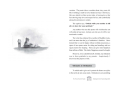
vacation. The poster shows a mother about sixty years old.
She is holding a small lei in her hands; her face is full of joy.
Her son, attired in white novice robes, is bowing low at her
feet showing d
The text highlights a poignant poster depicting a mother and her son during his ordination, emphasizing the joy of this spiritual milestone. The act of ordination is portrayed as a profound way to exp
149
The Journey to Ordination and Family Love
that one can do whenever one wants to. Ordination requires
merits accumulated from one's past life, as well as meeting
all the qualifications set out in the discipline section of the
Tripitaka.
Unfort
This narrative recounts a personal journey to ordination, highlighting the significance of family support and love. The author reflects on two near-death experiences, recognizing the love from his mot
150
The Significance of Ordination in Thai Culture
I have seen parents make funeral arrangements for their
children, grandparents for their grandchildren. It should not
be this way, and I certainly did not want this to happen to me.
But since life is
This text reflects on the challenges of prioritizing personal commitments while facing family health issues and the cultural importance of ordination in Thai society. It highlights how ordination is s
156
Purifying the Mind for a Better Life
3. Purify the mind: Keep one's mind bright and clear
all the time, while inhaling and exhaling. If a person inhales
and does not exhale, that person's life will come to an end.
Death bears no sign of
This text discusses the significance of maintaining a clear and bright mind through inhalation and exhalation as key to life and decision-making. It emphasizes preparing for death by reflecting on pas
171
Cultivating Mindfulness and Moral Foundations in Families
their families to have control over themselves at a young age,
the grandparents instilled them with generosity through alms
offerings to the monks and daily observance of the five
precepts. These whol
This text discusses how families can instill moral values and mindfulness in children through daily Dhamma studies, teachings, and meditation. It emphasizes the importance of generosity, the awareness
180
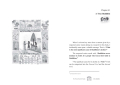
A True Buddhist
Chapter 41
A True Buddhist
When I reviewed my notes from a sermon given by a
respected senior monk during my research for this book, I
incidentally came upon a valuable message. That is, "What
is the
In a recent chapter, insights from a senior monk reveal that Buddhism's decline is primarily due to the diminishing faith of its followers. The monk categorizes the causes into 'External Fool' and 'In
185
The Survival of Dhammakaya Temple Amidst Abandonment
hoped that future generations would study Buddhism to gain
a correct understanding of the realities of life. Thus, if our
ancestors were still alive, we can imagine how they would
feel about our carel
This text reflects on the future of Buddhism in Thailand, especially regarding the increasing number of abandoned temples. It emphasizes the importance of the Dhammakaya Temple and its ability to with
187
The Sacred Formulas of Luang Phaw Wat Paknam
For example, if there were statements about constructing a
Dhamma Hall or a monk's shelter soon, then this must happen.
In short, the temple must produce results as soon as it can.
Thus, the first sac
The teachings of Luang Phaw Wat Paknam emphasize three sacred formulas essential for temple prosperity: cleanliness, diligent teaching of Dhamma, and frequent meditation practice. Cleanliness is vital
197
Understanding the Wisdom of the Lord Buddha
Since we must seek refuge in our own wisdom in times
of sorrow and happiness, we can appreciate that the Lord
Buddha's supreme wisdom (of how to lead one's life) is indeed
comparable to none. His pure
This text emphasizes the supreme wisdom of the Lord Buddha, which serves as a guide in both sorrow and joy. It highlights the causes of life's vicissitudes, including the Law of Cause and Effect (Kamm
199
The Lord Buddha's Approaches to Conflict Resolution
3) When the Lord Buddha was confronted by a furious
elephant (similar to a frantic person), His solution was to
spread loving kindness. In short, when people receive and
are moved by loving kindness,
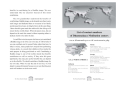
The Lord Buddha illustrated conflict resolution through examples. He demonstrated that loving kindness can transform anger and fear into understanding. When faced with aggression, his calm presence an
204
The Benefits of Contributing Buddha Images
benefits in contributing for a Buddha image. We now
understand why our ancestors focused on this moral
contribution.
My own grandmother understood the benefits of
contributing a Buddha image, as she d
Contributing a Buddha image is a noble act that enhances personal merit and offers peace in the afterlife. The practice stems from understanding the teachings of our ancestors, who recognized the imme
8
Solutions from Wisdom
8
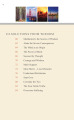
III. SOLUTIONS FROM WISDOM
60
Meditation Is the Source of Wisdom
62
Abate the Severe Consequences
64
The Mind as an Origin
66
The Power of Merit
68
Succeed by Thought
70
Courage and Wisdom
72
Merit
This section presents various solutions derived from wisdom, emphasizing meditation as a source of insight. It discusses the importance of merit in overcoming challenges and understanding the nature o
15
The Eight Worldly Conditions
THE WORLD'S
COMMON
PROBLEMS
I
The Eight Worldly Conditions
The eight things associated
with worldly life are gain and loss,
honour and dishonour, happiness and misery,
praise and blame.
All of these a
The eight worldly conditions are gain and loss, honour and dishonour, happiness and misery, and praise and blame. These are inevitable for all individuals regardless of their willingness to accept the
32
The Cycle of Existence and Human Purpose
32
32
THE WORLD'S
COMMON
PROBLEMS
X
Don't be Reckless
3 June 2007
When contemplating the reality of all animate
and inanimate beings like humans, animals,
trees, mountains, buildings or the earth itse
In contemplating the shared reality of all beings, we encounter a cycle of existence where everything is destined to take shape, exist temporarily, and ultimately perish. This includes not only human
36
Confronting Obstacles: The Right Solution
CONFRONTING
OBSTACLES
XII
The Right Solution
14 July 2007
People have to face problems at every stage
of life whether they are children, teenagers,
adolescences, adults, or elders. Nobody can
escape f
Every individual must confront various problems throughout life, from childhood to old age. These challenges manifest in different forms, making it essential for people to develop resilience and prepa
76
Applying the Law of Kamma to Life Challenges
We must use the knowledge
about the Law of Kamma
to solve the problems in our
lives.
First we have to stop and stand firm before
taking any action. Drinking alcohol, gambling,
or committing suicide to
Understanding the Law of Kamma is crucial in solving life's challenges. It's essential to pause before acting and avoid harmful solutions like alcohol and gambling. Instead, cultivate a clear mind, re

159
The Point of Change in Life
At this stage, we need to focus at the point
where everything ceases to change. This point
is very important and we can sense it only with
our mind, not by touch. It will cease conflicts
and suffering
At this stage, we must concentrate on the critical point where all changes stop. This moment is essential and can be perceived only by our minds, not through physical touch. It signifies the end of co
5
Exploring Buddhism: A Guide for the Curious
Preface
While Buddhism was born and has prospered in the Oriental
world, blessing people with the teachings that guide them towards
happy lives and both mental and physical wellbeing, people from
the
This book presents a valuable interview between Norwegian TV host Monica Øien and Luang Por Dhammajayo, the abbot of the Dhammakaya Temple. It addresses challenging questions about Buddhism from a Wes
7
The Kathina Ceremony and Abbot Dhammajayo's Teachings
Background
worldview, so they researched the Buddhist countries and found a
prominent organization that has become internationally successful in
spreading the wisdom of Buddhism. The team asked for pe
This text covers the Kathina ceremony held at Dhammakaya temple on November 5, 2006, where an interview with Abbot Dhammajayo took place. The abbot shared insights on Buddhism and meditation practices