

A : ค้นหาหนังสือธรรมะ หน้า 310 / 434
หน้าหนังสือทั้งหมด
78
The Teachings of the Buddha
The Teachings of the Buddha
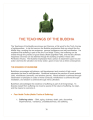
The Teachings of the Buddha are known as Dhamma, a Pali word for the Truth, th…
The Teachings of the Buddha, known as Dhamma, emphasize the Middle Way, avoiding extremes of indulgence and…
79
Understanding Suffering and the Noble Eightfold Path
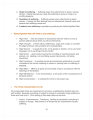
2. Origin of suffering - Suffering arises from attachment to desire, craving
(tanha). People themselves create this suffering by trying …
This text discusses the origin of suffering, which stems from attachment to desire and worldly pleasures. It highlights that suffering ceases when such attachments…
80
Ten Perfected Virtues and Right View
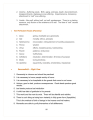
Ten Perfected Virtues (Paramis):
1. Dana giving, charitable act, generosity
2. Sila morality, ethics, precepts
3. Nekkhamma r…
This text outlines the Ten Perfected Virtues (Paramis) in Buddhism, emphasizing the significance of Dana (generosity), Sila (morality), and other vi…
81
Understanding the Five Aggregates, Tenfold Path of Wholesomeness, and Four Lofty States of Mind
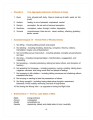
Khandha 5 Five Aggregates (elements, attributes of being)
1. Rupa form, physical self, body. Rupa is…
This text delves into three significant aspects of Buddhist philosophy: the Five Aggregates which consist of Rupa (form), Vedana (feeling…
82
Hiri-Ottapa: Understanding Shame and Fear of Wrongdoing
Hiri-ottapa – Shame and Fear of Wrongdoing
Hiri and ottapa are Pali words, meaning ‘shame of wrongdoing’ (hi…
Hiri and Ottapa are pivotal concepts in Buddhism, representing the shame of wrongdoing and the fear of its…
83
Say No to Alcohol
Say No to Alcohol
The negative long-term effects of alcohol consumption are difficult to control and …
The long-term effects of alcohol are detrimental not only to the individual but also to their family. Alcohol leads to destruc…
84
The Core Principles of Buddhist Living
Purity of livelihood (achivaparissuddhismavara): The main duties of monks are to study Dhamma, practice meditation, and tea…
This text outlines the essential duties and practices of Buddhist monks focusing on livelihood, moderation, and core principles of …
85
The Importance of Mental Cultivation Through Meditation
- Mental Cultivation (bhavana) through meditation. Mind is the most important
composite of the entire hum…
Mental cultivation (bhavana) through meditation is essential for achieving inner peace and a clear mind. …
87
Killing and Karma: Understanding Consequences
Killing – How bad is your Karma?
Not all killings are ‘equal’ in the sense of karmic consequence. The killing of hu…
This text discusses how the karmic consequences of killing vary based on several factors, including the type and size of the anima…
89
Understanding Karma and Retribution for Stealing and Sexual Misconduct
The amount of effort put into the stealing -- The more effort put into the stealing, the more serious the…
การลงโทษจะต้องตรงกับอาชญากรรม อาชญากรรมการขโมยทำให้เกิดความทุกข์ให้ผู้อื่น ซึ่งการทำผิดที่ทำให้ผู้อื่นเดือดร้อนมากจะมีโทษที่รุนแรงกว่า อย่างเช่น ถ้าขโมยทำให้ผู้ถูกขโมยทุกข์ยากมาก จะถูกลงโทษหนัก เช่น อ
90
Consequences of Breaking the Precepts
• The amount of effort used: the more effort used, the more serious the retribution
Like other violations o…
บทความนี้อธิบายถึงความสำคัญของการรักษาศีล ประโยชน์ และผลกระทบหากมีการฝ่าฝืนโดยเฉพาะศีลข้อที่สามและสี่ ความพยายามในการรักษาศีลนำมาซึ่งความรักและความเคารพจากผู้อื่น ขณะที่การฝ่าฝืนจะส่งผลให้มีศัตรู และบ
91
Benefits of Keeping the Fourth Precept and Risks of Breaking the Fifth Precept
Benefits of Keeping the Fourth Precept
- You will have a radiant complexion
- You will be well-spoken, and have nice teeth
- You will have healthy body
…
Keeping the Fourth Precept offers numerous benefits including a radiant complexion, credibility in speech, and overall physical health. Conversely, breaking the Fi…
92
Understanding the Importance of the Fifth and Eight Precepts
- Loss of consciousness and sanity
Those who have made a serious breach of this precept will end up in hell or other unhapp…
The text discusses the severe consequences of violating the Fifth Precept in Buddhism, leading to unhappiness and potential mental disorders in future …
94
Understanding Merit and Demerit: The Law of Karma
The opposite of merit is demerit, or ‘sin’. Demerit is the product of bad deeds. Bad deeds cause ‘bad karma’. Demerit is a negative energy that is created when a bad deed i…
The opposite of merit is demerit, representing the consequences of bad deeds which cause negative karma. Both good and bad deeds are governed by the Law of Karma, where …
96
Understanding Merit and the Law of Cause and Effect
Merit Results
We benefit from merit in four levels:
1. The mind -- improving the quality and the potentiality of the mind.
2. The personality -- improving our demeanor and the way we …
Merit affects our lives on four levels: mental improvement, personality enhancement, lifestyle benefits, an…
97
Ten Ways to Perform Good Deeds
Powerless - being jealous in others' success; having ill will
High social standing - being respectful to the virtuous; hu…
This text outlines ten good deeds that enhance merit, including acts of giving, adherence to moral precepts, and mental cultivation throu…
98
The Impact of Good Deeds and Dhamma Practices
Rejoicing in the merit of others. Give appreciation and encouragement to those who perform good deeds. This act of appreciation and encourag…
การทำดีและการให้บุญแก่ผู้อื่นเป็นเรื่องสำคัญที่ช่วยเสริมสร้างการสนับสนุนจากผู้อื่น การสอนธรรมะเป็นรากฐานสำหรับหลักจริยธรรมและปัญญาทางจิตวิญญาณ ซึ่งเปิดทางให้เรารู้ถึงกฎแห่งกรรม การเกิดใหม่ และความจริง
99
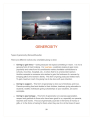
Types of Generosity: Understanding Charitable Giving
GENROSITY
Types of generosity (Danavatthusutta)
There are different motives why charitable giving is done:
• Giving to gain favor –…
This text discusses various motives for charitable giving as outlined in the Danavatthusutta. It identifies three main typ…
100
The Importance of Spiritual Wealth and Charitable Giving
No matter how many material possessions we may have accumulated, none of them can be taken with us upon o…
No matter how many material possessions we have accumulated, we can only take our spiritual wealth with u…
101
The Art of Charitable Giving for Maximum Merit
Objects not suitable for giving
• Alcoholic drinks and intoxicants, including cigarettes, liquors, and illegal drugs
…
การให้จะต้องมีความบริสุทธิ์ในทุกขั้นตอนเพื่อให้ได้มาซึ่งบุญสูงสุด สิ่งที่ไม่ควรมอบ ได้แก่ เครื่องดื่มแอลกอฮอล์ สื่อลามก อาวุธ และสารพิษ การให้ที่มีความบริสุทธิ์ต้องมีความเชื่อมั่นที่แท้จริง มีความยินด