

AF¯ : ค้นหาหนังสือธรรมะ หน้า 64 / 92
หน้าหนังสือทั้งหมด
17
The Importance of Dhamma in Modern Society
This belief encouraged those well versed in new ideas and knowledge, but lacking morals instilled by the Dhamma, to take advantage of others for selfish gain. These people sabotaged the economic and s
This text discusses how a lack of moral values rooted in Dhamma leads to selfish actions that hinder economic and social growth in Thailand. It emphasizes that worldly knowledge is insufficient withou
23
The Path to Nibbana and the Challenges of Lay Life
dure six arduous years of self-mortification before discovering Niramisasukha. During this period, the Buddha came close to death more than once, but when he finally found true happiness, he chose to
After six years of self-mortification, the Buddha discovered Niramisasukha, close to death multiple times. He emphasized living by the Dhamma for true happiness, urging ordination to escape worldly po
24
The Motives and Challenges of Ordination
Even when the individual knows about the benefits of ordination, it is no small task to give up family and worldly possessions for the sake of Dhamma. The individual must have a strong inner desire, l
The text discusses the difficulties faced by individuals when choosing ordination, which requires strong inner desire and familial support. It recounts the story of Lord Buddha's own decision to ordai
27
The Circumstances Leading to Ordination
the Raja inquired why a person might ordain, the response he was given, was as follows. When confronted with one or all of the following four circumstances, a person usually seeks refuge in the monkho
In exploring why individuals may choose to ordain as monks, four key circumstances are highlighted: old age, illness, poverty, and social rejection. These situations often drive individuals to seek re
28
The Teachings of Phra Rathapala on Suffering and Desire
Phra Rathapala explained to the Raja that he had his own four reasons for ordination these having been taught to him by Lord Buddha. That in one's life there are two types of suffering: suffering that
Phra Rathapala shares insights on suffering as taught by Lord Buddha, emphasizing the unavoidable suffering from past lives and the avoidable suffering caused by desire. Key points include the inevita
30
The Story of Phra Rohana and Phra Nagasena
The story of Phra Rohana and Phra Nagasena
Rohana was a monk who, after the death of Lord Buddha,
had a revelation. He saw that the child Nagasena, the recently
born son of a Brahmin, would play an i
The story unveils the dedication of monk Phra Rohana, who recognized the potential of the intelligent child Nagasena at birth. Despite never receiving alms from Nagasena's family, Rohana visited daily
32
Nagasena's Enlightenment and Teachings
After listening to Rohana, Nagasena was impressed with what Rohana had to say and thus he desired to learn more about the Buddha's teachings. Nagasena then asked for permission from his parents to be
Nagasena, inspired by Rohana, sought to learn the Buddha's teachings and was ordained as a novice. Through pure living and dedicated practice, he attained enlightenment and became proficient in Buddhi
34
Taking Refuge in Buddhism
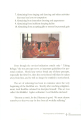
Three Refuges" Ever since then, Taking Refuge has remained the standard by which all novices are ordained, even to this day.
The process of ordaining novices according to "Taking Refuge" entails the
The text outlines the traditional process of ordaining novices in Buddhism, emphasizing the Taking Refuge ceremony. This involves shaving the head, wearing saffron robes, and seeking blessings from a
36
Understanding Novice Ordination in Buddhism
7. Abstaining from singing and dancing and other activities that may lead you to temptation
8. Abstaining from immodest dressing and appearance
9. Abstaining from indolent sleeping habits
10. Abstaini
Ordination in Buddhism is a significant ritual that marks the commitment of individuals to follow the teachings of the Buddha. The ten precepts outlined offer a moral framework for novices, highlighti
37
The First Monk Ordained by the Buddha: Kondanna
The first monk ordained by the Buddha personally, was Kondanna. He was the first of Lord Buddha's disciples, and Buddhism's first monk. He was ordained following Lord Buddha's first Sermon entitled th
The first monk ordained by the Buddha, Kondanna, was the first disciple who became a Stream-enterer after the Buddha's first sermon in Isipatana. This sermon allowed him to see the Dhamma. The Buddha
38
Qualifications for Monk Ordination
7. Appointed monks assemble outside the assembly to ask the novice examination questions (antarayikadhammma)
8. Ask the novices to reenter the assembly hall after the exam
9. The novice must then requ
To be ordained as a monk, an individual must meet specific qualifications, including being at least 20 years old. Certain groups are forbidden from ordination: homosexuals, hermaphrodites, and those w
48
The Lessons of Almsgiving and Selflessness
saw was the food offered. Based on the food offered to me, I thought that the person must have been from the middle class. The second person that offered food was probably from a wealthier background
This narrative explores the author's deep insights gained from witnessing three acts of almsgiving, particularly focusing on a young girl from a poor background. The contrasting offerings of food high
49
Understanding the Tradition of Almsgiving in Buddhism
Having thought more about that, and I returned to my simple monks' quarters (kuti), I felt I had no time to rest. I immediately started meditating with diligence. After I finished meditating, I studie
บทความนี้สำรวจความหมายและที่มาของประเพณีการใส่บาตรในประเทศไทย โดยชี้ให้เห็นถึงความสำคัญของการให้ และทำไมไม่นักบวชควรจะเป็นฝ่ายแสดงความขอบคุณผ่านการไหว้ให้กับญาติโยม และความรู้ที่มอบให้จะมีค่ากว่าทรัพย
51
Temple Cleaning Practices Among Monks
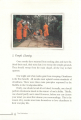
2. Temple Cleaning
Once monks have returned from seeking alms and have finished their meal, their next duty is to sweep the temple grounds. They should sweep from the main chapel, all the way to thei
After returning from alms and meals, monks sweep the temple grounds, emphasizing cleanliness as part of their daily duties. This practice reflects essential Buddhist principles: avoiding evil deeds, p
52
Importance of Cleanliness at Dhammakaya Temple
At Dhammakaya Temple, we have a policy of cleanliness that applies right from the front gates to every inch of temple grounds. Every morning, when I leave my kuti, I come across pieces of paper, trash
ที่วัดธรรมกายมีนโยบายเรื่องความสะอาดที่บังคับใช้ตั้งแต่ประตูทางเข้าจนถึงทุกซอกทุกมุมของวัด ทุกเช้าเมื่อฉันออกจากกุฏิจะพบกระดาษ ขยะ และก้นบุหรี่ แม้ว่าจะมีป้ายบอกให้คนงดสูบบุหรี่ แต่ยังมีคนแอบสูบอยู่ เ
53
Quality of Life in Temples
information, along with other things he has observed to form a picture of the quality of life in any temple.
However, for temples that are clean and well organized and where the community coexists in
บทความนี้สำรวจคุณภาพชีวิตในวัด โดยเน้นความสำคัญของความสะอาดและการอยู่ร่วมกันในสังคม หากวัดมีความสะอาดและมีการจัดการที่ดี พระสงฆ์สามารถสอนธรรมะและเสริมกำลังใจให้กับชุมชนได้ นอกจากนี้ยังกล่าวถึงประสบการ
55
The Importance of Cleanliness in Buddhism
they also love cleanliness. There is a story about a monk who would often meditate in the woods. He would often use the base of trees for relieving himself. One night, as the monk sat there meditating
เนื้อหาบทเรียนนี้เล่าถึงความสำคัญของความสะอาดในพุทธศาสนา โดยมีเรื่องเล่าของพระที่นั่งสมาธิในป่า และการสนทนาของทูตสวรรค์เกี่ยวกับความสะอาด เมื่อปฏิบัติความสะอาด จะมีผลต่อจิตใจและร่างกายอย่างลึกซึ้ง ให้
62
Understanding the Four Basic Requisites for Monks
Since we live in the physical world, we tend to think of the four basic requisites only in physical terms, for example food. We often think only whether or not it is clean, tasty, nutritious or health
This text guides monks on how to perceive their basic requisites beyond physical terms like cleanliness and taste. It emphasizes being conscious and grateful, encouraging monks to accept only what the
63
The Importance of Reflection in Buddhist Practice
3. You must be reflective. Once you have finished consuming your meal, and have energy, you must ask yourself whether you have used the strength gained from your meal to focus on learning the Dhamma.
การสะท้อนความคิดช่วยให้เราเป็นคนที่ใส่ใจและขยัน ด้วยการฝึกสะท้อนตนเอง เราจะมีสติและตระหนักรู้ถึงการกระทำของเรา ซึ่งนำไปสู่ความชัดเจนในความคิดและความสามารถในการตัดสินใจที่ดีขึ้น การสะท้อนหลังจากรับประท
68
The Importance of Collective Care in Temples
to the temple, they do so after making a wish and a resolution.
Therefore, when a monk uses any of these items, he does so
upon the good faith and respect of common people. If you show
disregard for
This text discusses the shared responsibility between monks and laypeople in maintaining temple property. It highlights the importance of respect for items used in religious practice and how neglect c