

Temple Cleaning Practices Among Monks : หน้า 51/105
The ordination : หน้า 51/105 This text describes the importance of cleanliness in the lives of monks, focusing on their duty to sweep the temple grounds after meals.
0 ครั้ง
สรุปเนื้อหา
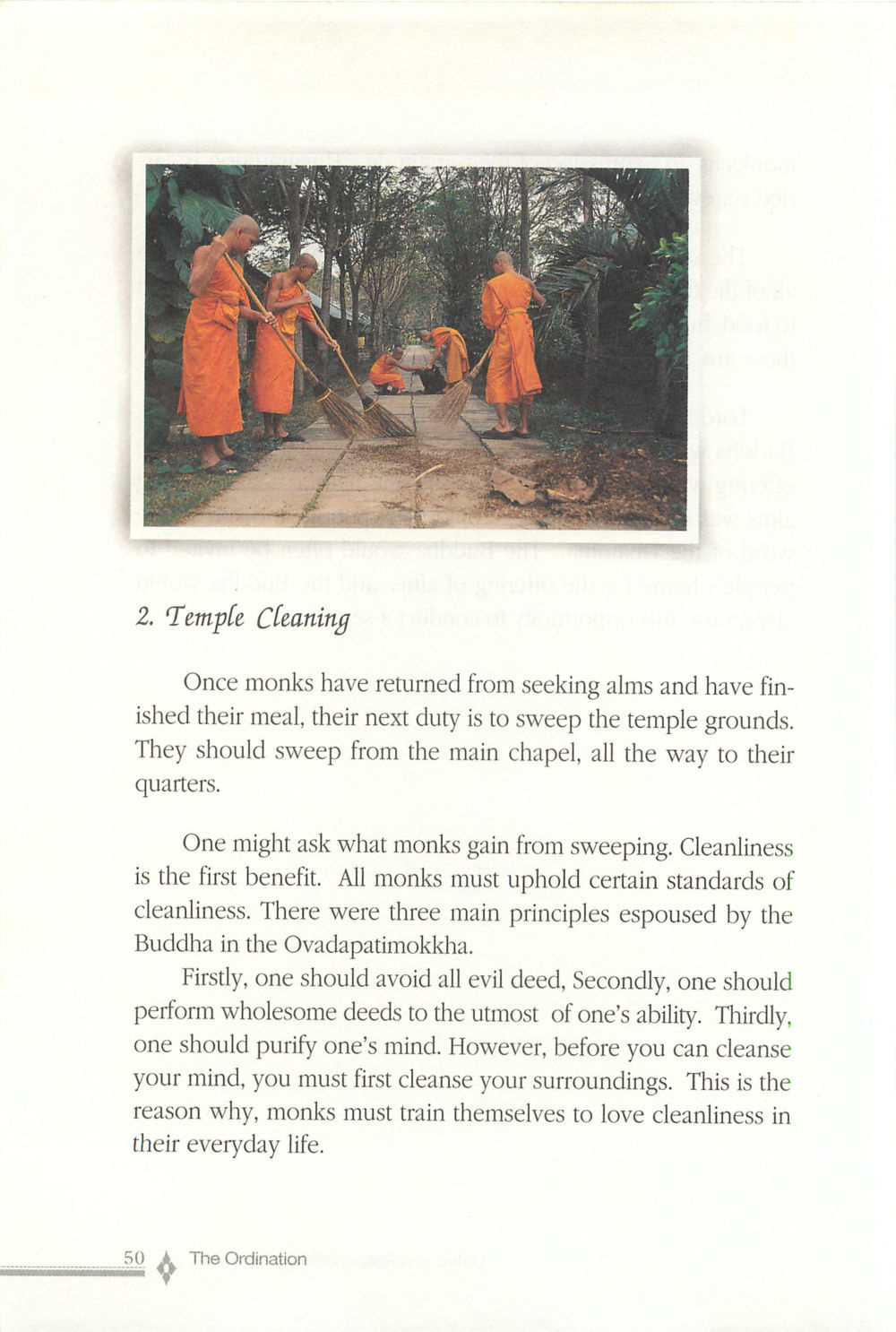
After returning from alms and meals, monks sweep the temple grounds, emphasizing cleanliness as part of their daily duties. This practice reflects essential Buddhist principles: avoiding evil deeds, performing wholesome actions, and purifying the mind. Clean surroundings contribute to a clean mind, highlighting the importance of cleanliness in monastic life. More information can be found at dmc.tv.
หัวข้อประเด็น
-importance of cleanliness
-Buddhist principles
-obligations of monks
-cleansing the mind
ข้อความต้นฉบับในหน้า
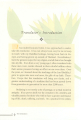
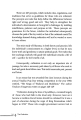
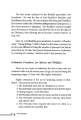
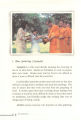
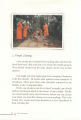
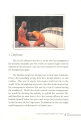
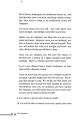
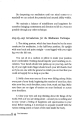
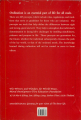
2. Temple Cleaning
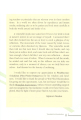
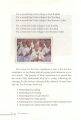
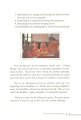
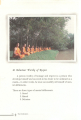
Once monks have returned from seeking alms and have finished their meal, their next duty is to sweep the temple grounds. They should sweep from the main chapel, all the way to their quarters.
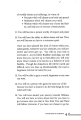
One might ask what monks gain from sweeping. Cleanliness is the first benefit. All monks must uphold certain standards of cleanliness. There were three main principles espoused by the Buddha in the Ovadapatimokkha.
Firstly, one should avoid all evil deed. Secondly, one should perform wholesome deeds to the utmost of one’s ability. Thirdly, one should purify one’s mind. However, before you can cleanse your mind, you must first cleanse your surroundings. This is the reason why, monks must train themselves to love cleanliness in their everyday life.
หน้าหนังสือทั้งหมด




















หนังสือที่เกี่ยวข้อง
Load More