

C&D : ค้นหาหนังสือธรรมะ หน้า 297 / 507
หน้าหนังสือทั้งหมด
94
Buddhist Manuscript Formats in Dai Region
Volume 98 Khuddaka-nikāya (小阿含经) and Volume 99 Majjhima-nikāya (中阿含经) are all in 5-line to 6-line format manuscripts; Volume 100 Digha-nikāya (长阿含经) is in 4-line to 5-line-format. The jäṭaka Wexiandal
Volume 98 Khuddaka-nikāya and Volume 99 Majjhima-nikāya are primarily in 5-6 line formats, while Volume 100 Digha-nikāya is formatted with 4-5 lines per page. The jäṭaka Wexiandala represents a key Bu
95
Dai Buddhist Manuscripts in Yunnan's Dehong Prefecture
It is noteworthy that there is a community of Dai people in the Dehong Autonomous Prefecture in the west of Yunnan, and a wide range of Buddhist manuscripts are stored there. Palm-leaf manuscripts are
This text discusses the unique tradition of Buddhist manuscripts among the Dai people in Dehong Autonomous Prefecture of Yunnan, where various types of manuscripts are produced. Most texts utilize sa-
96
The Imminent Extinction of Palm-Leaf Manuscripts in Sipsong Panna
III The Problem of the Imminent Extinction of Palm-Leaf Manuscripts in Sipsong Panna
Buddhism in Sipsong Panna is characterised by its manuscript culture. However, today the number of the palm-leaf m
This text discusses the worrying decline of palm-leaf manuscripts in Sipsong Panna, where Buddhist manuscript culture is rich but facing imminent extinction. Key reasons include the autonomous nature
103
The Historical Significance of Dhammakāya Verse in Thai Buddhism
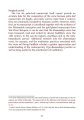
Although there is no date on the manuscript, the dhammakāya verse has been known in the Lan Na regions for many centuries. It also appears on a 16th century stone inscription unearthed at the site of
The dhammakāya verse has been recognized in the Lan Na regions for centuries, with historical inscriptions confirming its existence dating back to the 16th century, specifically at Wat Tham Suea in Ph
104
Historical Significance of the Lan Na Palm-Leaf Manuscript
Bangkok period.
The Lan Na palm-leaf manuscript itself cannot provide an accurate date for the composition of the verse because palm-leaf manuscripts are fragile, and rarely survive more than a centur
The Lan Na palm-leaf manuscript's dating is uncertain due to its fragility, but it has been recited by devout Buddhists since the 16th century, alongside evidence from the Phitsanulok inscription and
105
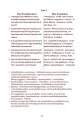
Transliteration and English translation
Dhamma kaya
Wat Pasak Noi Monastery
Amphoe San Kampaeng, Changwat Chiang Mai
คำภีร์ ธรรมกาย
วัดป่าสักน้อย
อำเภอ สันกำแพง จังหวัดเชียงใหม่
106
พุทธศาสนาและมรรคผล
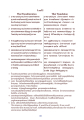
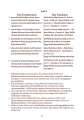
"sabbānūṭāṇa pāvarasisaṁ; Nibbānarammana pavaravirasatikasēm; Catuṭṭhāṇa pāvaranarāṭam; Vajjirasamāpatīṇaṁ pāvaruṇṇāsaṁ; Nilakasinasobhāṭikanta pavara; bhamuyuggalam; Dibbacakku; Samantāccakku; Paṇñāc
บทความนี้สำรวจแนวคิดทางพุทธศาสนาเช่นการเข้าถึงนibbana การพัฒนาปัญญาและวิธีการที่ทำให้บรรลุผลในด้านจิตใจและจิตวิญญาณ ตามหลักการของพุทธศาสนา เช่น สั่งสมปัญญา แอปฏิบัติและความเข้าใจเกี่ยวกับธรรมะและการใช
107
The Importance of Dhammakāya Stanza
Aṣayānusayamūlā pavaradanāyuggalaṁ; Dassaphalāḷāṅgā pavaramajcimmaggaṁ; Paṭiccasamupāda pavaraniñhi; Indriyayapāñābalaṁ pavarajāṅghaṇā; Dassakussalakkammaṭaṅga pavauruthav
yam; Dassaphalakkhaṅāñāṁ pā
เนื้อหานี้พูดถึงความสำคัญของสัทธรรมคายา โดยมีการอภิปรายเกี่ยวกับการจำบทสวดนี้ได้ด้วยใจและการมีปรีชา ซึ่งเป็นหลักสำคัญของการศึกษาพุทธศาสนา ข้อความนี้กล่าวถึงการชี้ให้เห็นถึงภูมิปัญญาที่ไม่รู้จบ (sabbañ
108
The Sublime Attributes of the Lord
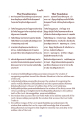
Sabbāñutāläñā pävarasiãm] is the sublime head of the Lord.
Nibbānarammaña pavarasitakesaṃ: the wisdom that recognizes Nibbāna as the object of consciousness is the sublime hair of the Lord. Catuttajj
This text discusses the sublime qualities of the Lord, emphasizing various forms of wisdom, such as the recognition of Nibbāna as the object of consciousness and the wisdom that leads to divine hearin
109
ความฉลาดในการรู้จักประโยชน์อย่างมีเหตุผลสู่การหลุดพ้นสูงสุด
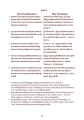
พรเจ้าอุตตตริวิมาขัจิรมาณำณำพาวารกนา ดวยน: the wisdom of recognizing expedient toward the ultimate liberation is the two sublime ears of the Lord.
โลภิคยาลุกฺตรํณํImagine the figure of recognition the
บทความนี้พูดถึงความฉลาดในการรู้จักประโยชน์ไปสู่การหลุดพ้นสูงสุด โดยเปรียบเทียบองค์ประกอบต่างๆ ของความฉลาดในพระพุทธศาสนากับคุณลักษณะของพระเจ้าที่มีการเปรียบเทียบกับริมฝีปาก ดั้งฟัน และลิ้น ซึ่งแสดงถึงค
110
ความรู้เรื่องอนุตตรวิมุกขธัฏฐิกมานํานา
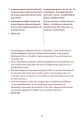
อนุตตรวิมุกขธัฏฐิกมานํานา พวรกานทะ: the wisdom of recognizing expedient toward the possession of the state of deliverance (vimokkadhammā) which is Nibbana, the most profound of all the Dhammas, is the
เนื้อหานี้เน้นเกี่ยวกับความสำคัญของการรู้จักธรรมชาติของความเป็นจริงในด้านต่างๆ เพื่อการเข้าถึงนิพพาน ซึ่งถือเป็นความรู้ที่ลึกซึ้งและประเสริฐที่สุด พูดถึงลักษณะพื้นฐานในธรรม เช่น อนิจจังที่เป็นลักษณะสำ
114
การบรรลุของพระพุทธเจ้าและอรรถธรรม
ญ๊ษัททําสําทัดะสา adigatạ: that the Lord attained. Imam dhammakāyăm buddharakkhaṇam: the body of Dhamma (dhammakāya) is the property (lakhana) of the Lord Buddha. Yogāvacarapputanna: the practitioners
ในเนื้อหานี้กล่าวถึงการบรรลุของพระเจ้าพุทธเจ้าและการปฏิบัติธรรมอย่างจริงจังเพื่อนำไปสู่การเข้าถึงนิพพาน โดยมีการเน้นถึงความสำคัญของการทบทวนและสวดบทสวดเพื่อกราบไหว้พระ. พุทธศาสนิกชนถูกกระตุ้นให้ถือปฏิบ
116
ยาวัตัต tassab yoga tāvatattassakayo sahāvatakhandho maggamaggi athasihadana cattāsadanto ariv aranto sukkamuttajivaho brahmasaro kara vikabhāṇi bunābhamukantare unhisasiso cittarāṁsoti. Imāni davatti
119
An Shigao and Early Chinese Meditation Techniques
Phra Kiattisak Kittipanyo
University of Otago
120
An Shigao and Early Chinese Meditation Techniques
An Shigao and Early Chinese Meditation Techniques¹
Phra Kiattisak Kittipanyo² (University of Otago)
An Shigao安世高 (147~168 CE) played an important role in the early transmission of Buddhism into China
An Shigao (147-168 CE) significantly influenced the early transmission of Buddhism in China. Despite a focus on his ethnicity and translation style, he is recognized as a respected meditation master.
123
Buddhist Sutras Compilation
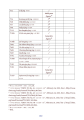
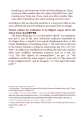
T32 Si di jing 四譯經 Madhyama Āgama19
T36 Benxiong yizhi jing 本相獻曆經 /20
T48 Shifa fejiajing 是法非法經 /21
T57 Lou fenbu jing 漏分布經 /20
T98 Pufa yi jing 普法義經 /22
T112 Ba zhendaojing 八正道經 /23
T150a
This compilation includes key Buddhist texts such as the Madhyama Āgama, the Eightfold Path Sutra, and various other sutras that explore core principles of Buddhism. These scriptures serve as guidepos
125
Meditation Techniques from An Shigao's Teachings
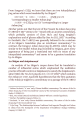
breathing in, and count two at the end of breathing out. If you
count any other number than two when it should be two, start
counting over from one. If you count any other number than
nine when it sho
This text delves into meditation practices from An Shigao’s works, particularly highlighting the Anban shouyi jing, a crucial scripture translated from Sanskrit. The sutra emphasizes mindfulness of br
126
An Shigao's Influence on Anban Sutras
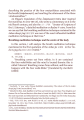
From Sengyou’s CSZJJ, we learn that there are two Anban[shouyi] jing sutras which were translated by An Shigao:37
安般守意經一卷 安錄云:『小安般經』。(CSZJJ p.5c 23: “corresponding to a Smaller Anban jing”
大安般經一卷(CSZJ
This content examines An Shigao's translations of Anban sutras, highlighting the distinctions between the Present Da Anban shouyi jing and the Kongo-ji Anban shouyi jing. The text discusses the integr
127
The Practice of Ānāpānasmṛti: Breath Meditation in Early Buddhism
describing the practice of the four smrtyṣhānas associated with the breath (ānāpānasmṛti), and resulting the attainment of the three vimoksamukhās.42
An Shigao’s translation of the Ānāpānasmṛti Sūtra
This text delves into the practice of Ānāpānasmṛti, a significant Buddhist meditation focused on breath. It highlights An Shigao’s translation of the Ānāpānasmṛti Sūtra and its influence on later monk
128
Understanding the Four Mahā-Bhūta in Buddhism
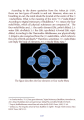
According to the above quotation from the Anban jie 安殘解, there are two types of breath: in and out. However, when one is breathing in-out, the mind should be located at the centre of the mahā-bhūta. W
根据安殘解的引用,有两种呼吸方式:吸气和呼气。然而,当进行呼吸时,心智应位于四大之中。四大是所有物质的组成部分,包括:土、 水、 火和风。根据上座部阿毗达摩,人的身体是由四大组成的,涉及生死循环,有时四大也代表元素的身体。有关四大元素的更深入的信息,请访问dmc.tv。