

DET : ค้นหาหนังสือธรรมะ หน้า 12 / 49
หน้าหนังสือทั้งหมด
102
Caring for Critically Ill Relatives
…d, we
often find people who are ill or lying in a hospital bed. By
nature, bodies and organs slowly deteriorate as they are being
consumed by age and disease. At the same time, the cells in
our bodies sl…
…c necessitates a strong sense of unity and compassion within the family. Understanding the physical deterioration associated with illness invites an in-depth discussion of how families can provide meanin…
103
Caring for Critically Ill Relatives
…e best doctors who can provide proper
treatment according to our financial situation) and mentally
(determining their psychological needs, encouraging them
to focus on their prior good deeds, reminding t…
ในบทนี้เราจะพูดถึงความสำคัญของการดูแลคนในครอบครัวที่ป่วยหนัก ทั้งด้านร่างกายและจิตใจ การเรียนรู้ที่จะให้การสนับสนุนทางจิตใจแก่ผู้ป่วยเป็นสิ่งสำคัญเพื่อยกระดับจิตใจของพวกเขาในช่วงเวลาที่ยากลำบาก เมื่อน
108
In Their Final Days
…th
our parents, we should remember that, when caring for them
as they die, their state of mind will determine their future
destination.
Even if we were neglected by our parents in the past,
we still owe …
无论我们与父母的关系如何,当我们照顾他们临终时,他们的心态将决定他们的未来归宿。即使我们在过去受到忽视,我们仍应对父母心怀感激。父母给了我们身体的形态,为我们行善提供了基础。即便他们的教育方式不尽如人意,我们也应感恩。父母通常无怨无悔地宽恕我们,尽管他们可能会责骂或惩罚我们。
122
Truth for the Family
…ve: Truth for the Family
physical attempts upon His life. However, they had no
effect on His strong determination. Furthermore, none
of His actions were for personal gain. When offered
valuables, He woul…
This section emphasizes that the Dhamma teachings are accessible and beneficial to all, promoting personal growth and the possibility of attaining Nibbana. It highlights the importance of practicing D
126
Truth for the Family: The Impact of Good Deeds
Part Five: Truth for the Family
that good deeds will always bring favorable outcomes and
vice versa.
Important to Remember:
1. The first stage of good deeds: When we have done
something good, even if
Part Five of the text discusses the importance of good deeds within a familial context. It details four stages of good deeds: self-satisfaction from the initial act, the development of a virtuou…
137
Understanding Boonya and the Heart
…1. Generosity. We share useful things with those
who deserve it. Here there are four criteria which
determine the amount of boonya generated in the act
of giving:
a. Wholesomeness of the object. The obje…
This text discusses the difference between the physical and ethereal hearts, referencing the ancient teachings of the Tripitaka which indicate the existence of multiple universes. It presents boonya a
143
Truth for the Family: Understanding Precepts and Human Nature
…de
by a moral code is the most important responsibility we have
to help counteract social and moral deterioration.
What is a Precept? The word precept (sila in the
ancient Pali language) means nature. Ev…
In this section, we discuss how behavioral problems contribute to a self-centered generation and the role ignorance plays in social issues. Parents often blame external factors for their children's st
145
Truth and Self-Discipline for Families
Part Five: Truth for the Family
4. By nature, humans will not lie. People should
always speak the truth. They should always be honest
and sincere to one another. Imagine if we find out
that the people
… towards honesty and the importance of addressing any dishonesty in relationships. It discusses the detrimental effects of intoxicants on one's conscience and ability to act meaningfully. Readers are rem…
149
Truth for the Family: Teaching Respect and Responsibility
…rvisors with their
subordinates, colleagues amongst one another. The sense of
community and harmony deteriorates. The only way to reverse
this trend is to teach respect and responsibility; and to see
goo…
In this section, the text emphasizes the necessity of teaching children respect and humility for personal growth and societal harmony. It argues that while some may advocate for freedom in thought, it
170
Basic Meditation Technique for Inner Peace
Part Six: Meditation Technique and Tips
Chapter 31
Basic Meditation
Technique for Inner Peace
(#1) Start by adjusting your sitting position. If you
sit on the floor, sit cross-legged, right leg over t
…key is to find a posture that allows you to relax completely and focus on your meditation. For more details, visit dmc.tv.
173
Meditation Technique for Inner Peace
…to a point that it
makes you feel tense. Do not use too much effort or stare
at it, as staring will deter you from allowing better feelings
from arising. Gently imagine the object, and relax. It does
not…
This section provides an easy meditation technique to cultivate inner peace. It focuses on visualizing a calming object such as a sun, moon, or candle flame in the center of your body. The method enco
178
Meditation Technique and Tips
…lness and equanimity of mind in the
center. Observation from this moment onward with
neutrality and detachment to whatever may arise or
occur; If thoughts arise, combine mental object with
a word phrase …
Part Six discusses the importance of meditation in fostering peace and happiness. It emphasizes the need for mental purity during meditation to radiate positivity. The steps for effective meditation i
185
Glossary of Dhamma Terms
Part Seven: Appendixes
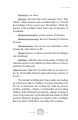
Danamaya: see Dana
Dhamma: split into three main meanings: First: "Pure
Nature" within existence and our relationship to it; Second:
the teachings of how to get to our "Pure Nat
…y, and moderation, as well as abstaining from distractions that hinder spiritual progress. For more detailed discussion, visit dmc.tv.
187
Understanding Heaven and Hell in Buddhism
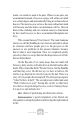
…ome and the better our destination will be. Heaven
then is like a holiday and our vacation money is determined
by how much boonya we have accumulated throughout our
lives.
Who created heaven? Don't know!…
…discusses the Buddhist understanding of heaven and hell, emphasizing the role of boonya and baap in determining one's afterlife. It explains that heaven is achieved through purifying one's actions, while…
188
Glossary of Buddhist Terms
Part Seven: Appendixes
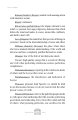
Kamma (Sanskrit: Karma): neutral word meaning action
with intention; action
Khanti: endurance
Kilesa (also spelled Gilesa): the impure element to our
mind; i. e. passion, lust,
…erm is explained to aid comprehension of core Buddhist principles without external references. More details can be found at dmc.tv.
189
Appendixes on Good Deeds and Paths to Destruction
Part Seven: Appendixes
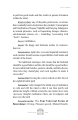
to perform good deeds and this results in parami formation
within the mind
Roads to Ruin: any of the paths, professions, or actions
that eventually lead to destruction; they inc
…s the significance of good deeds and how they cultivate parami within the mind. It outlines various detrimental paths that lead to personal destruction, including indulgence in liquor, gambling, and lazi…
194
Exploring Tolerance and Benevolence in Daily Life
Part Seven: Appendixes
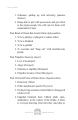
3. Tolerance; putting up with adversity; patience
(Khanti)
4. Being able to part with possessions and give them
to the proper people who will care for them well;
renunciation (C
…erance and benevolence, such as patience (Khanti) and renunciation (Cāga). The text highlights four detrimental paths leading to ruin, including indulgence in pleasures and unhealthy associations. Additi…
196
The Six Roads to Ruin and Directions Worthy of Respect
Part Seven: Appendixes
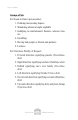
Groups of Six:
Six Roads to Ruin (Apāyamukha):
1. Drinking intoxicating liquors
2. Wandering abroad at night; nightlife
3. Indulging in entertainment: theatres, saloons, bars,
e
… Seven of the text outlines critical moral lessons including the six roads to ruin, which encompass detrimental behaviors such as alcohol consumption, nightlife, and poor friendships. It contrasts these …
198
Meditation Centers in Asia
Part Seven: Appendixes
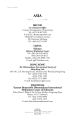
ASIA
BRUNEI
Co-ordination Office
Contact: Ruangrassame Chareonying
Tel: +(673) 8-867-029
E-mail: [email protected]
Thailand Co-ordinator contact:
Ms. Rawiwon Mechang
Tel: +(66
…numbers in China. Read on for a comprehensive list to aid your meditation journey in Asia. For more details, please visit dmc.tv.
200
Global Dhammakaya Meditation Centers
Part Seven: Appendixes
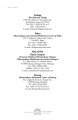
Tochigi
Wat Bhavana Tochigi
1068 Oya-Machi, Utsunomiya-shi,
Tochigi-ken, Japan 321-0345
Tel: +(81) 2-8652-8701 to 2
+(81) 2-8652-8703
E-mail: [email protected]
Tokyo
Dhamm
This section provides contact details for various Dhammakaya Meditation Centers located in Japan and Malaysia, including addresses, t…