

Caring for Critically Ill Relatives : หน้า 103/216
Family Day By Day : หน้า 103/216 Learn how to care for loved ones who are critically ill, focusing on physical and mental support.
0 ครั้ง
สรุปเนื้อหา
ในบทนี้เราจะพูดถึงความสำคัญของการดูแลคนในครอบครัวที่ป่วยหนัก ทั้งด้านร่างกายและจิตใจ การเรียนรู้ที่จะให้การสนับสนุนทางจิตใจแก่ผู้ป่วยเป็นสิ่งสำคัญเพื่อยกระดับจิตใจของพวกเขาในช่วงเวลาที่ยากลำบาก เมื่อนำเสนอคำแนะนำที่เหมาะสม เช่น การหาคุณหมอที่ดีที่สุด และการให้กำลังใจในสิ่งดีๆที่พวกเขาเคยทำ จะช่วยสร้างความหวังและพลังใจเพื่อสู้กับความเจ็บป่วยได้อย่างมีศักดิ์ศรี นอกจากนี้ยังมีศาสนาให้ความสำคัญกับสภาพจิตใจของผู้ป่วยในช่วงเวลาสุดท้ายความคิดเห็นของพวกเขาอาจนำไปสู่จุดหมายที่ดีหรือไม่ดีในภายหน้า การดูแลจิตใจของพวกเขาเป็นสิ่งจำเป็น
หัวข้อประเด็น
-การดูแลคนที่ป่วยหนัก
-การสนับสนุนทางจิตใจ
-ความสำคัญของครอบครัว
-การสร้างแรงบันดาลใจให้แก่ผู้ป่วย
-ข้อคิดเกี่ยวกับชีวิตหลังความตาย
ข้อความต้นฉบับในหน้า
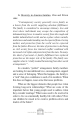
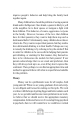
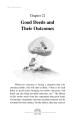
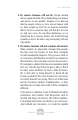
Part Four: Harmony Within the Family
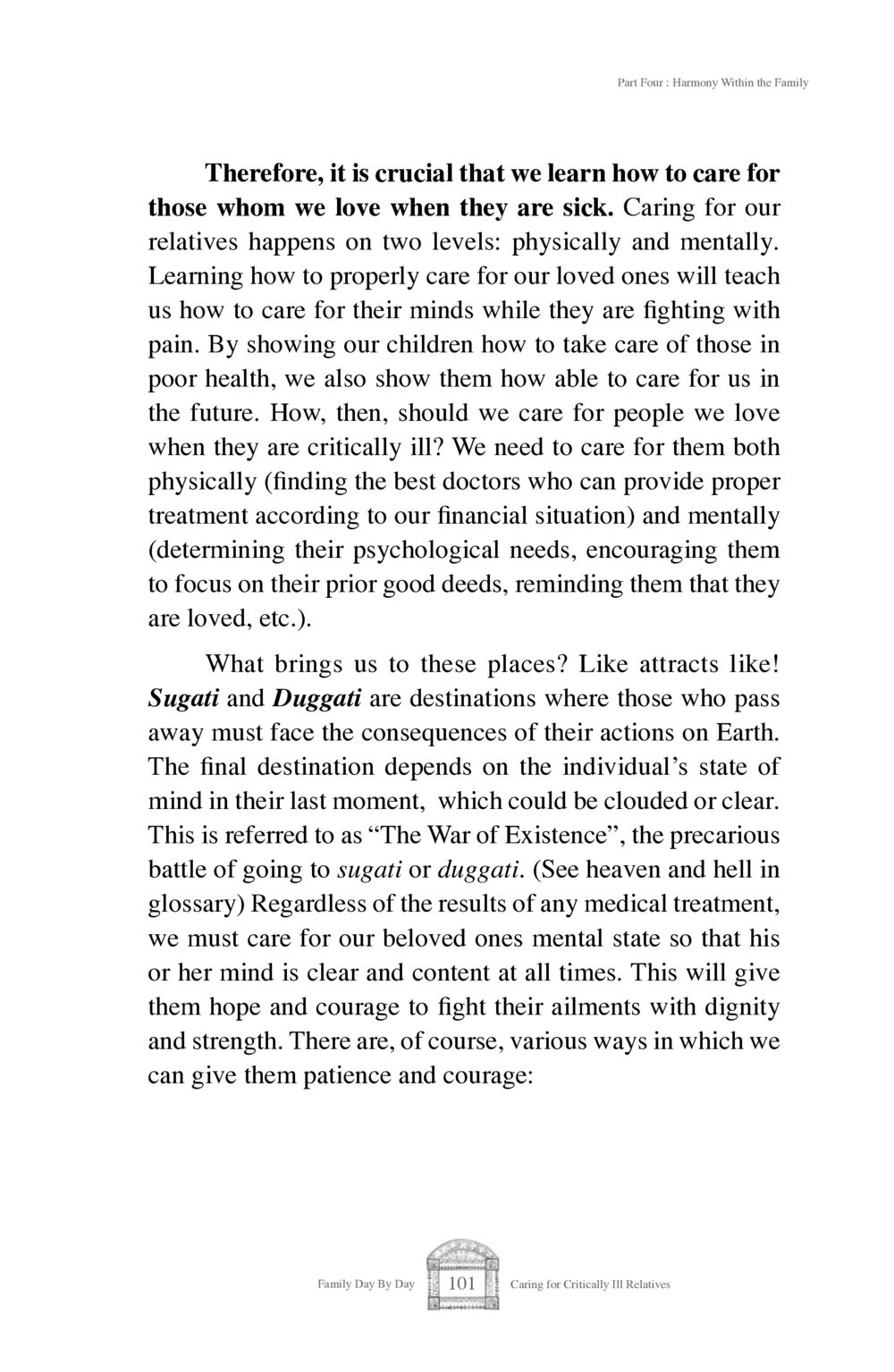
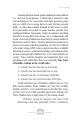
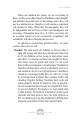
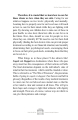
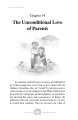
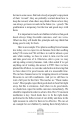
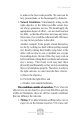
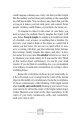
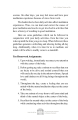
Therefore, it is crucial that we learn how to care for
those whom we love when they are sick. Caring for our
relatives happens on two levels: physically and mentally.
Learning how to properly care for our loved ones will teach
us how to care for their minds while they are fighting with
pain. By showing our children how to take care of those in
poor health, we also show them how able to care for us in
the future. How, then, should we care for people we love
when they are critically ill? We need to care for them both
physically (finding the best doctors who can provide proper
treatment according to our financial situation) and mentally
(determining their psychological needs, encouraging them
to focus on their prior good deeds, reminding them that they
are loved, etc.).
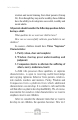
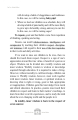
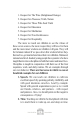
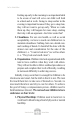
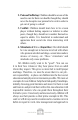
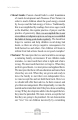
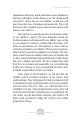
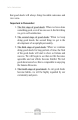
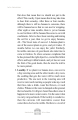
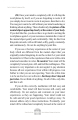
What brings us to these places? Like attracts like!
Sugati and Duggati are destinations where those who pass
away must face the consequences of their actions on Earth.
The final destination depends on the individual's state of
mind in their last moment, which could be clouded or clear.
This is referred to as "The War of Existence", the precarious
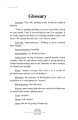
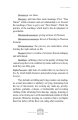
battle of going to sugati or duggati. (See heaven and hell in
glossary) Regardless of the results of any medical treatment,
we must care for our beloved ones mental state so that his
or her mind is clear and content at all times. This will give
them hope and courage to fight their ailments with dignity
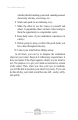
and strength. There are, of course, various ways in which we
can give them patience and courage:
Family Day By Day 101
Caring for Critically Ill Relatives
หน้าหนังสือทั้งหมด

1

2
3
4
5
6
7
8
9
10
11
12
13
14
15
16

17

18
19
20
21
22
23
24
25
26

27
28
29
30
31
32
33
34

35
36
37
38
39
40
41
42
43
44
45
46
47
48
49
50
51
52
53
54

55
56
57

58

59
60
61
62
63
64
65
66
67
68
69
70
71
72
73
74
75
76
77
78
79
80
81
82
83
84
85
86
87
88
89

90

91
92
93
94
95
96
97
98
99
100
101
102
103
104
105
106
107
108
109
110
111
112
113
114
115
116
117
118
119
120
121
122
123
124
125
126
127
128
129
130
131
132
133
134
135
136
137
138
139

140

141
142
143
144
145
146
147
148
149
150

151
152
153

154

155
156
157
158
159
160

161
162
163
164
165
166
167
168
169
170
171
172
173
174
175
176
177
178
179
180
181
182

183
184
185
186
187
188
189
190
191
192
193
194
195
196
197
198
199
200
201
202
203
204
205
206
207
208
209
210
211
212
213

214

215
216
หนังสือที่เกี่ยวข้อง
Load More