

Dukkha : ค้นหาหนังสือธรรมะ หน้า 3 / 4
หน้าหนังสือทั้งหมด
28
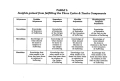
Insights into the Three Cycles and Twelve Components of Suffering
TABLE I:
Insights gained from fulfilling the Three Cycles & Twelve Components
| Ariyasacca | Dukkha Ariyasacca | Samudya Ariyasacca | Nirodha Ariyasacca | Nirodhagamini Patipada Ariyasacca |
| --- | …
This table outlines insights into suffering through the lens of the Four Noble Truths in Buddhism. Each Ariyasacca component provides a deeper understanding of suffering, including its existence, orig
50
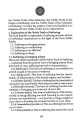
Understanding the Noble Truths of Suffering
…f your chest.
1.1.6 Lamentation [parideva]: This is suffering that drives
you to tears.
1.1.7 Pain [dukkha]: This is suffering that makes the mind
The teachings of the Lord Buddha encompass the Four Noble Truths, with a significant focus on understanding suffering. Suffering is characterized through various forms — from birth to death, highlight
66
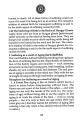
The Suffering of Birth and Aging in Buddhist Philosophy
…s said to be the tenth aspect of suffering caused by birth.
2. Suffering as a result of Aging [jārā dukkha]
The Lord Buddha defined Suffering resulting from aging as the form of suffering that has the chara…
ในพุทธศาสนา, ความทุกข์จากการเกิดเป็นเรื่องสำคัญ โดยเฉพาะการเกิดเป็นสัตว์และวิญญาณหิวโหย ที่จะต้องเผชิญกับการทนทุกข์จากการไม่สามารถบริโภคได้ ในขณะที่ทุกข์จากการแก่แสดงออกถึงการเสื่อมสภาพของร่างกาย เช่น
70
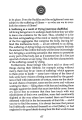
Understanding Suffering: The Dukkha of Illness and Dying
in its place. Even the Buddha and the enlightened ones are
subject to the suffering of illness — so who are we to over-
look the misery of illness?
4. Suffering as a result of Dying [marana dukkhā]
Al
This text delves into the concepts of suffering in Buddhism, particularly focusing on the pain associated with illness and the inevitable reality of death. It elucidates how all beings, including enli
72
The Four Enemies: Understanding Suffering
…ings of birth, aging, sickness and death conspire
to bring misery to our existence.
5. Sorrow [soka dukkha]
The Buddha characterized the suffering of sorrow as affect-
ing one with burning in the heart as i…
This text discusses the metaphor of four enemies that represent the sufferings inherent in human existence: birth, aging, illness, and death. Birth is akin to the first enemy, seducing us into life, w
95
The Noble Truth of the Cessation of Suffering
…tion of suffering’.
The root of suffering is craving
The Noble Truth of the Cessation of Suffering [dukkha-nirodha] concerns the extinguishing of craving. There are those who wonder why this Noble Truth sho…
This text explains the Buddha's teaching on the cessation of suffering, emphasizing the importance of extinguishing craving through the Noble Eightfold Path. It highlights that addressing the root of
111
Understanding the Dhammakāya in Insight Meditation
called the ‘Coarse Dhammakāya Arahant’ or the ‘Subtle Dhammakāya Arahant’ — the latter two being the bodies of enlightenment of the arahant. The Dhammakāyas are all transcendental [lokuttara] in natur
This text delves into the concept of Dhammakāya Arahant, distinguishing between the Coarse and Subtle Dhammakāya. It explains that these bodies are transcendental and consist of pure aggregates that a
124
Understanding the Inner Bodies and Enlightenment
…subject to the influence of the Three Signs [tilakkhaṇa], namely: impermanence [anicca], suffering [dukkha] and not-self [anattā]. None of these bodies transcend the mundane level of existence — they are wo…
This text discusses the progression through successive inner bodies leading to the Dhammakāya, emphasizing the distinction between mundane and transcendental bodies. It highlights that all worldly bod
238
Key Terms in Buddhist Philosophy
byādhi (see illness)
byādhi dukkhā (see the suffering of illness)
byāpāda (see vengefulness)
byāpādavitaka (see preoccupation with vengefulness)
cāgo (relinquishing, letting go: see characteristics of
This text delves into significant terms and concepts in Buddhist philosophy, addressing themes such as illness, suffering, relinquishing, and the foundations of success. Important terms like byādhi (i
245
Understanding Pathama Magga and Associated Concepts
… pleasure) *piyehi vipayoga* (see separation from loved ones and treasured things) *piyehi vipayoga dukkha* (see separation of loved ones and treasured things) *pāṇobba_viṅka* (adj. gives rise to rebirth: s…
This text delves into the intricate concepts surrounding Pathama Magga in Buddhist teachings. It includes various terms such as tactile craving (*phötthabba tanhä*), tactile thought conception (*phött
247
Glossary of Buddhist Terms
Sammañi Dıṭṭhi (see Right View)
Sammaña Kammanta (see Right Action)
Sammaña Samādhi (see Right Concentration)
Sammaña Sambuddho (P. an epithet of the Buddha: the Perfectly Enlightened One)
Sammañ
This glossary serves as a valuable resource for those exploring Buddhism, providing definitions and explanations of important terms. It covers concepts such as Right View, Right Action, and mindfulnes
249
Understanding Key Buddhist Concepts: A Glimpse into Mindfulness and Liberation
feeling: see aggregates) vedanānupassanā-satitapatthā (see mindfulness of feeling in the feeling) Vehapphalā (P. realm of Brahmas with abundant reward: see form Brahma realms) vibhavaṭaṅhā (see cravin
This text provides an in-depth understanding of various important Buddhist concepts. It covers essential terms such as vedanānupassanā (mindfulness of feelings), vipassanā (insight), and viriya (energ

93
การเข้าร่วมสงฆ์และการปฏิบัติธรรม
… men give up
when they ordain is not so precious
after all-they renounce the primary
ingredients of Dukkha!
The Precepts outlined in the
Vinaya were carefully designed to
create optimum conditions for spir-…
tices. In addition, monks receive the spiritual support of their fellow members of the Sangkha. Thus, joining the order of monks ensures an environment that reinforces moral discipline and spiritual v

43
The Birth of a Meritorious Person
…f each individual.
The fact that people all are born humans, but vary in the
amount of happiness or Dukkha (suffering) is an indication
that the fruits of kamma exist and their retribution is derived
from o…
with disabilities like deafness or blindness? Why are some people born into a wealthy family while others are born so poor that they cannot even get a drop of their mother's milk? Why are some born in