

Understanding the Inner Bodies and Enlightenment : หน้า 124/263
The Buddha’s First Teaching : หน้า 124/263 Explore the journey through various inner bodies and the path to enlightenment, highlighting the significance of the Dhammakāya and transcendental knowledge.
0 ครั้ง
สรุปเนื้อหา
This text discusses the progression through successive inner bodies leading to the Dhammakāya, emphasizing the distinction between mundane and transcendental bodies. It highlights that all worldly bodies, including the human, are influenced by the Three Signs of existence: impermanence, suffering, and not-self. In contrast, bodies of enlightenment are made of transcendental Aggregates, free from these influences, and align with the Four Noble Truths. The practice is framed as the Noble Path, guiding meditators towards ultimate enlightenment and liberation from the cycle of causation.
หัวข้อประเด็น
-inner bodies
-Dhammakāya
-Five Aggregates
-Three Signs
-Noble Path
-transcendental bodies
-enlightenment
ข้อความต้นฉบับในหน้า
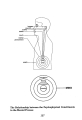
the centre of the body, in the same way as described earlier, in entering the centre of the Pathama Magga Sphere, successive inner bodies can be attained, going further inside the subtle human body — the angelic body, the subtle angelic body, the form-Brahmā body, the subtle form-Brahmā body, the formless Brahmā-body, the subtle formless Brahmā-body and eventually the body of enlightenment [Dhammakāya] — each with their own life and mind.
The mind of the Dhammakāya is endowed with special knowledge allowing the meditator to see that the various bodies, all the way from the human body to the subtle formless Brahmā-body are all composed of the Five Aggregates [khandha] and are hence subject to the influence of the Three Signs [tilakkhaṇa], namely: impermanence [anicca], suffering [dukkha] and not-self [anattā]. None of these bodies transcend the mundane level of existence — they are worldly [lokiya]. They are all still in the vicious circle of causation between defilements [kilesa], action [kamma] and retribution [vipāka].
By contrast, the further up the scale of purity of the various bodies of enlightenment, the more radiant and blissful the mind becomes. The bodies of enlightenment are transcendental [lokuttara] and are beyond the influence of the Three Signs because they are not made of mundane Aggregates but transcendental Aggregates [dhammakkhandha]. The knowledge contained in the bodies of enlightenment which allows the meditator to consider the Three Signs in the mundane bodies, also allows them to consider the Four Noble Truths. This part of the practice is indeed the Noble Path which leads the meditator to the transcendental and eternal Noble Fruition they are aiming for.
___________________________________
122
หน้าหนังสือทั้งหมด
1
2
3
4
5
6
7
8
9
10
11
12
13
14
15
16
17
18
19
20
21
22
23
24
25
26
27
28
29

30
31
32
33
34
35
36
37
38
39
40
41
42
43
44
45
46
47
48
49
50
51
52
53
54
55
56
57
58
59
60
61
62
63
64
65
66
67
68
69
70
71
72
73
74
75
76
77
78
79
80
81
82
83
84
85
86
87
88
89
90
91
92
93
94
95
96
97
98
99
100
101
102
103
104
105
106
107
108
109
110
111
112
113
114
115
116
117
118
119
120
121
122
123
124
125
126
127
128
129
130
131
132
133
134
135
136
137
138
139
140
141
142
143
144
145
146
147

148
149
150
151
152
153
154
155
156
157
158
159
160
161
162
163
164
165
166
167
168
169
170
171
172
173
174
175
176
177
178
179
180
181
182
183
184
185
186
187
188
189
190
191
192
193
194
195
196
197
198
199
200
201
202
203
204
205
206
207
208
209
210
211
212
213
214
215
216
217
218
219
220
221
222
223
224
225
226
227
228
229
230
231
232
233
234
235
236
237
238
239
240
241
242
243
244
245
246
247
248
249
250
251
252
253
254
255
256
257
258
259
260

261

262
263
หนังสือที่เกี่ยวข้อง
Load More