

Understanding Suffering: The Dukkha of Illness and Dying : หน้า 70/263
The Buddha’s First Teaching : หน้า 70/263 Explore the profound teachings on the suffering of illness and dying in Buddhist philosophy.
0 ครั้ง
สรุปเนื้อหา
This text delves into the concepts of suffering in Buddhism, particularly focusing on the pain associated with illness and the inevitable reality of death. It elucidates how all beings, including enlightened ones, experience suffering, emphasizing the necessity to acknowledge this aspect of existence. The discussion extends to the anguish of dying, detailing the physical and emotional torments that accompany death, such as fear and remorse that may arise from one's past actions. The narrative reminds readers of the importance of good deeds and mindfulness throughout life to alleviate the suffering encountered at death's doorstep. This exploration serves as a profound reflection on our mortal conditions and the Buddhist perspective on suffering. For more resources, visit dmc.tv.
หัวข้อประเด็น
-Buddhist philosophy on suffering
-Illness and its impact
-Understanding death in Buddhism
-Emotional suffering before death
-The importance of good deeds and mindfulness
ข้อความต้นฉบับในหน้า
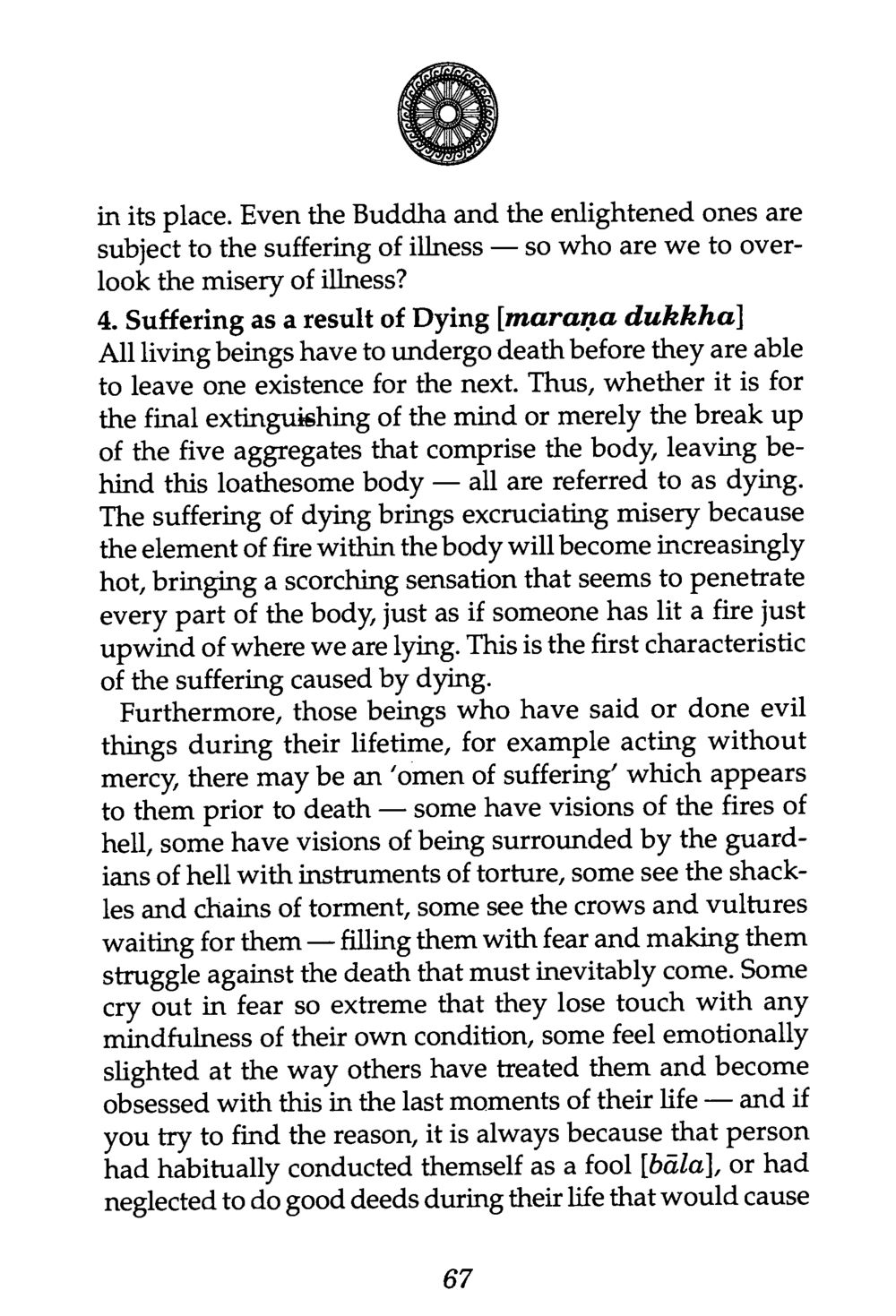
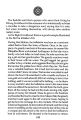
in its place. Even the Buddha and the enlightened ones are
subject to the suffering of illness — so who are we to over-
look the misery of illness?
4. Suffering as a result of Dying [marana dukkhā]
All living beings have to undergo death before they are able
to leave one existence for the next. Thus, whether it is for
the final extinguishing of the mind or merely the break up
of the five aggregates that comprise the body, leaving be-
hind this loathsome body — all are referred to as dying.
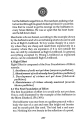
The suffering of dying brings excruciating misery because
the element of fire within the body will become increasingly
hot, bringing a scorching sensation that seems to penetrate
every part of the body, just as if someone has lit a fire just
upwind of where we are lying. This is the first characteristic
of the suffering caused by dying.
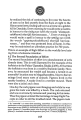
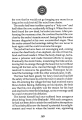
Furthermore, those beings who have said or done evil
things during their lifetime, for example acting without
mercy, there may be an ‘omen of suffering’ which appears
to them prior to death — some have visions of the fires of
hell, some have visions of being surrounded by the guard-
ians of hell with instruments of torture, some see the shackle
and chains of torment, some see the crows and vultures
waiting for them — filling them with fear and making them
struggle against the death that must inevitably come. Some
cry out in fear so extreme that they lose touch with any
mindfulness of their own condition, some feel emotionally
slighted at the way others have treated them and become
obsessed with this in the last moments of their life — and if
you try to find the reason, it is always because that person
had habitually conducted themself as a fool [bāla], or had
neglected to do good deeds during their life that would cause
หน้าหนังสือทั้งหมด
1
2
3
4
5
6
7
8
9
10
11
12
13
14
15
16
17
18
19
20
21
22
23
24
25
26
27
28
29
30
31
32
33
34
35
36
37
38
39
40
41
42
43
44
45
46
47
48
49
50
51
52
53
54
55
56
57
58
59
60
61
62
63
64
65
66
67
68
69
70
71
72
73
74
75
76
77
78
79
80
81
82
83
84
85
86
87
88
89
90
91
92
93
94
95
96
97
98
99
100
101
102
103
104
105
106
107
108
109
110
111
112
113
114
115
116
117
118
119
120
121
122
123
124
125
126
127
128
129
130
131
132
133
134
135
136
137
138
139
140
141
142
143
144
145
146
147
148
149
150
151
152
153
154
155
156
157
158
159
160
161
162
163
164
165
166
167
168
169
170
171
172
173
174
175
176
177
178
179
180
181
182
183
184
185
186
187
188
189
190
191
192
193
194
195
196
197
198
199
200
201
202
203
204
205
206
207
208
209
210
211
212
213
214
215
216
217
218
219
220
221
222
223
224
225
226
227
228
229
230
231
232
233
234
235
236
237
238
239
240
241
242
243
244
245
246
247
248
249
250
251
252
253
254
255
256
257
258
259
260
261
262
263
หนังสือที่เกี่ยวข้อง
Load More