

The Suffering of Birth and Aging in Buddhist Philosophy : หน้า 66/263
The Buddha’s First Teaching : หน้า 66/263 Exploring the different forms of suffering resulting from birth and aging as described in Buddhist teachings.
0 ครั้ง
สรุปเนื้อหา
ในพุทธศาสนา, ความทุกข์จากการเกิดเป็นเรื่องสำคัญ โดยเฉพาะการเกิดเป็นสัตว์และวิญญาณหิวโหย ที่จะต้องเผชิญกับการทนทุกข์จากการไม่สามารถบริโภคได้ ในขณะที่ทุกข์จากการแก่แสดงออกถึงการเสื่อมสภาพของร่างกาย เช่น ผมขาว ฟันผุ และผิวหนังเหี่ยวย่น การมองเห็นการแก่ชราต้องอาศัยปัญญาที่เกิดจากการทำสมาธิ เพื่อมองเห็นกระบวนการนี้จึงเป็นเหมือนไฟที่เผาป่าให้กลายเป็นเถ้าถ่าน โดยที่ไม่สามารถมองเห็นได้ด้วยตาเปล่า
หัวข้อประเด็น
- ทุกข์จากการเกิด
- การเกิดเป็นสัตว์
- การเกิดเป็นวิญญาณหิวโหย
- ทุกข์จากการแก่
- การเสื่อมสภาพของร่างกาย
- การมองเห็นการแก่ชราผ่านการทำสมาธิ
ข้อความต้นฉบับในหน้า
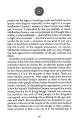
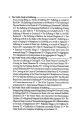
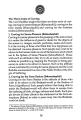
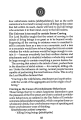
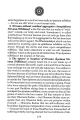
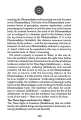
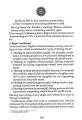
hunted to death. All of these forms of suffering could not occur if it wasn't for being born as an animal. The causative relation of animal birth for consequent suffering is said to be the ninth aspect of suffering caused by birth.
1.10 The Suffering of Birth in the Realm of Hungry Ghosts Lastly, those who are born as hungry ghosts [pettivisaya] suffer seriously as the result of having been born. They are hungry but unable to eat or drink anything while being left exposed to be burned by the wind and the sun. The causative relation of birth in the realm of hungry ghosts for consequent suffering is said to be the tenth aspect of suffering caused by birth.
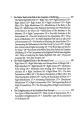
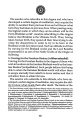
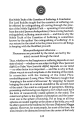
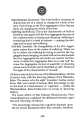
2. Suffering as a result of Aging [jārā dukkha]
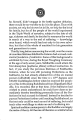
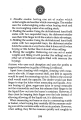
The Lord Buddha defined Suffering resulting from aging as the form of suffering that has the characteristic of deterioration of the bodily organs and faculties — such alarming symptoms as the hair turning grey, teeth breaking, sunken cheeks, dry and wrinkled skin and deafness. The real process of aging is invisible to the naked eye. Only with the eye of insight developed through meditation can aging be seen.
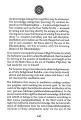
Metaphors for Suffering as a result of Aging
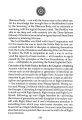
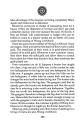
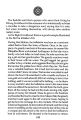
1. A Forest Fire: Aging is like an inferno which burns a forest to ashes before disappearing without trace. The flames are not a part of the forest or the ashes — and with aging we see only the results of the work (i.e. the symptoms of age) without being able to see the culprit. In fact aging is at work the whole of the time — even in young people — but it is only in their old age (when their hair turns grey etc.) that they realize the presence of aging (like noticing a fire only when it has already reduced the forest to ashes.)
หน้าหนังสือทั้งหมด

1

2
3
4
5
6
7
8
9
10
11
12
13
14
15
16
17
18
19
20
21
22
23
24
25
26
27
28
29

30
31
32
33
34
35
36
37
38
39
40
41
42
43
44
45
46
47
48

49
50
51
52
53
54
55
56
57
58
59
60
61
62
63
64
65
66
67
68
69
70
71
72
73
74
75
76
77
78
79
80
81
82
83
84
85
86
87
88
89
90
91
92
93
94
95
96
97
98
99
100
101
102
103
104
105
106
107
108
109
110
111
112
113
114
115
116
117
118
119
120
121
122
123
124
125
126
127
128
129
130
131
132
133
134
135
136
137
138
139
140
141
142
143
144
145
146
147

148
149
150
151
152
153
154
155
156
157
158
159
160
161
162
163
164
165
166
167
168
169
170
171
172
173
174
175
176
177
178
179
180
181
182
183
184
185
186
187
188
189
190
191
192
193
194
195
196
197
198
199
200
201
202
203
204
205
206
207
208
209
210
211
212
213
214
215
216
217
218
219
220
221
222
223
224
225
226
227
228
229
230
231
232
233
234
235
236
237
238
239
240
241
242
243
244
245
246
247
248
249
250
251
252
253
254
255
256
257
258
259
260
261

262
263
หนังสือที่เกี่ยวข้อง
Load More