

F.N. : ค้นหาหนังสือธรรมะ หน้า 165 / 252
หน้าหนังสือทั้งหมด
93
Forms of Sa-Paper Manuscripts in Sipsong Panna
There are three forms of sa-paper manuscripts in the Sipsong Panna region. The first is the most common "ordinary wide-breadth manuscript", with a length of about 18cm, a height of about 25cm and the
In the Sipsong Panna region, there are three main forms of sa-paper manuscripts. The first, the ordinary wide-breadth manuscript, measures about 18cm x 25cm and has 14 to 20 lines per page. The second
96
The Imminent Extinction of Palm-Leaf Manuscripts in Sipsong Panna
III The Problem of the Imminent Extinction of Palm-Leaf Manuscripts in Sipsong Panna
Buddhism in Sipsong Panna is characterised by its manuscript culture. However, today the number of the palm-leaf m
This text discusses the worrying decline of palm-leaf manuscripts in Sipsong Panna, where Buddhist manuscript culture is rich but facing imminent extinction. Key reasons include the autonomous nature
97
Preservation of Palm-Leaf Scriptures in Dai Buddhism
donate palm-leaf scriptures as an act of merit and such donations
appear less frequently in the sacred dantam (贽坦) or offering
ceremony. Donors prefer to donate Buddhist scriptures printed
using mod
This text discusses the decline in donations of traditional palm-leaf scriptures in favor of more accessible and readable texts printed on Chinese and sa-paper. Reasons include cost, legibility, and t
98
Preserving Palm-Leaf Manuscripts in Southwestern China
Conclusion
Numerous palm-leaf and sa-paper manuscripts exist in the Dai regions in Southwestern China. These Buddhist manuscripts, copied and inscribed in Pāli and the Dai language using traditional
In Southwestern China, palm-leaf and sa-paper manuscripts are crucial for studying ancient Buddhism, showcasing the influence of Theravāda Buddhism. The recent collection efforts by the local governme
99
The Dhamma-kāya Verse: a Lan Na Thai manuscript
Kitchai Urkasame
Academic member of the 60th Dhammachai Education Foundation of New Zealand and Australia (DEF)
100
The Dhammakāya Verse: A Lan Na Thai Manuscript
The Dhammakāya Verse:
a Lan Na Thai manuscript
Kitchai Urkasem
This article is a report on research undertaken with the support of the 60th Dhamma chai Education Foundation (DEF) on a palm leaf manu
This article discusses research supported by the 60th Dhamma chai Education Foundation on a palm leaf manuscript titled Dhamma kāya from northern Thailand's Lan Na region. Undated, it is believed to h
101
Understanding the Pāli Verses and Buddhist Doctrine
The Text
The first nine leaves are inscribed with Pāli verses and a commentary in Tai Yuan.4 The final leaf of the manuscript is an addendum, inscribed with a stanza of the Dvatiṃsa-mahāpuruśa-lakkhaṇ
The manuscript presents Pāli verses and commentary in Tai Yuan, summarizing Buddhist doctrines about the Buddha's physical body and wisdom. It includes thirty stanzas highlighting qualities like divin
102
Wisdom and the Dhammakāya in Buddhist Teachings
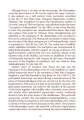
Some of the qualities or forms of wisdom listed in the text are exclusive to Buddhas such as omniscience (sabbaññutāna), intrepdity (vesārajjanāna), and the ten supreme intellectual powers of a Buddha
The text highlights unique qualities of wisdom exclusive to Buddhas, including omniscience and the ten intellectual powers. It discusses the dhammakāya as the embodiment of a Buddha's inner wisdom, di
103
The Historical Significance of Dhammakāya Verse in Thai Buddhism
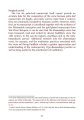
Although there is no date on the manuscript, the dhammakāya verse has been known in the Lan Na regions for many centuries. It also appears on a 16th century stone inscription unearthed at the site of
The dhammakāya verse has been recognized in the Lan Na regions for centuries, with historical inscriptions confirming its existence dating back to the 16th century, specifically at Wat Tham Suea in Ph
104
Historical Significance of the Lan Na Palm-Leaf Manuscript
Bangkok period.
The Lan Na palm-leaf manuscript itself cannot provide an accurate date for the composition of the verse because palm-leaf manuscripts are fragile, and rarely survive more than a centur
The Lan Na palm-leaf manuscript's dating is uncertain due to its fragility, but it has been recited by devout Buddhists since the 16th century, alongside evidence from the Phitsanulok inscription and
108
The Sublime Attributes of the Lord
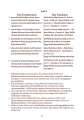
Sabbāñutāläñā pävarasiãm] is the sublime head of the Lord.
Nibbānarammaña pavarasitakesaṃ: the wisdom that recognizes Nibbāna as the object of consciousness is the sublime hair of the Lord. Catuttajj
This text discusses the sublime qualities of the Lord, emphasizing various forms of wisdom, such as the recognition of Nibbāna as the object of consciousness and the wisdom that leads to divine hearin
109
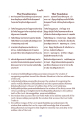
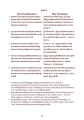
ความฉลาดในการรู้จักประโยชน์อย่างมีเหตุผลสู่การหลุดพ้นสูงสุด
พรเจ้าอุตตตริวิมาขัจิรมาณำณำพาวารกนา ดวยน: the wisdom of recognizing expedient toward the ultimate liberation is the two sublime ears of the Lord.
โลภิคยาลุกฺตรํณํImagine the figure of recognition the
บทความนี้พูดถึงความฉลาดในการรู้จักประโยชน์ไปสู่การหลุดพ้นสูงสุด โดยเปรียบเทียบองค์ประกอบต่างๆ ของความฉลาดในพระพุทธศาสนากับคุณลักษณะของพระเจ้าที่มีการเปรียบเทียบกับริมฝีปาก ดั้งฟัน และลิ้น ซึ่งแสดงถึงค
110
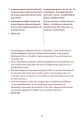
ความรู้เรื่องอนุตตรวิมุกขธัฏฐิกมานํานา
อนุตตรวิมุกขธัฏฐิกมานํานา พวรกานทะ: the wisdom of recognizing expedient toward the possession of the state of deliverance (vimokkadhammā) which is Nibbana, the most profound of all the Dhammas, is the
เนื้อหานี้เน้นเกี่ยวกับความสำคัญของการรู้จักธรรมชาติของความเป็นจริงในด้านต่างๆ เพื่อการเข้าถึงนิพพาน ซึ่งถือเป็นความรู้ที่ลึกซึ้งและประเสริฐที่สุด พูดถึงลักษณะพื้นฐานในธรรม เช่น อนิจจังที่เป็นลักษณะสำ
114
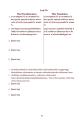
การบรรลุของพระพุทธเจ้าและอรรถธรรม
ญ๊ษัททําสําทัดะสา adigatạ: that the Lord attained. Imam dhammakāyăm buddharakkhaṇam: the body of Dhamma (dhammakāya) is the property (lakhana) of the Lord Buddha. Yogāvacarapputanna: the practitioners
ในเนื้อหานี้กล่าวถึงการบรรลุของพระเจ้าพุทธเจ้าและการปฏิบัติธรรมอย่างจริงจังเพื่อนำไปสู่การเข้าถึงนิพพาน โดยมีการเน้นถึงความสำคัญของการทบทวนและสวดบทสวดเพื่อกราบไหว้พระ. พุทธศาสนิกชนถูกกระตุ้นให้ถือปฏิบ
116
ยาวัตัต tassab yoga tāvatattassakayo sahāvatakhandho maggamaggi athasihadana cattāsadanto ariv aranto sukkamuttajivaho brahmasaro kara vikabhāṇi bunābhamukantare unhisasiso cittarāṁsoti. Imāni davatti
120
An Shigao and Early Chinese Meditation Techniques
An Shigao and Early Chinese Meditation Techniques¹
Phra Kiattisak Kittipanyo² (University of Otago)
An Shigao安世高 (147~168 CE) played an important role in the early transmission of Buddhism into China
An Shigao (147-168 CE) significantly influenced the early transmission of Buddhism in China. Despite a focus on his ethnicity and translation style, he is recognized as a respected meditation master.
121
The Influence of An Shigao on Mindfulness Breathing Meditation in Eastern Han China
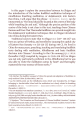
In this paper I explore the connections between An Shigao and the introduction of the Indian Buddhist meditation technique of mindfulness breathing meditation, or ānāpānasmṛti, into Eastern Han China.
This paper examines An Shigao's role in introducing the Indian mindfulness breathing meditation technique, ānāpānasmṛti, into Eastern Han China. The phrase「息中具有四大。 而心在中」suggests that the mind should f
123
Buddhist Sutras Compilation
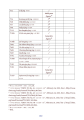
T32 Si di jing 四譯經 Madhyama Āgama19
T36 Benxiong yizhi jing 本相獻曆經 /20
T48 Shifa fejiajing 是法非法經 /21
T57 Lou fenbu jing 漏分布經 /20
T98 Pufa yi jing 普法義經 /22
T112 Ba zhendaojing 八正道經 /23
T150a
This compilation includes key Buddhist texts such as the Madhyama Āgama, the Eightfold Path Sutra, and various other sutras that explore core principles of Buddhism. These scriptures serve as guidepos
124
Meditation Practices Introduced by An Shigao in Eastern Han China
What kind of meditation did An Shigao introduce into Eastern Han China?
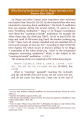
An Shigao and other Central Asian translators were welcomed into Eastern Han China (25-220 CE), by the cultured elites who were
An Shigao, notable for his translations, played a key role in introducing meditation practices to Eastern Han China (25-220 CE). The prevalent form during this period was breathing meditation, particu
126
An Shigao's Influence on Anban Sutras
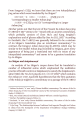
From Sengyou’s CSZJJ, we learn that there are two Anban[shouyi] jing sutras which were translated by An Shigao:37
安般守意經一卷 安錄云:『小安般經』。(CSZJJ p.5c 23: “corresponding to a Smaller Anban jing”
大安般經一卷(CSZJ
This content examines An Shigao's translations of Anban sutras, highlighting the distinctions between the Present Da Anban shouyi jing and the Kongo-ji Anban shouyi jing. The text discusses the integr