

F : ค้นหาหนังสือธรรมะ หน้า 217 / 300
หน้าหนังสือทั้งหมด
76
The Journey of Siddhartha: From Suffering to Enlightenment
The arrangement miscarried, however, for on the first three visits that Siddhatha made to the village he saw things that had a deeply trau…
This text traces the transformative journey of Prince Siddhartha in his quest for understanding suffering and achieving enlight…
77
The Enlightenment of Siddhattha Gotama
was himself freed. He lastly surveyed the process how birth inevitably leads to aging, sickness and death, whic…
This text recounts the journey of Siddhattha Gotama, who realized that life is a cycle of birth, aging, sickness, and death, culminat…
78
The Teachings of the Buddha
The Teachings of the Buddha
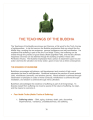
The Teachings of the Buddha are known as Dhamma, a Pali word for the Truth, the law of …
The Teachings of the Buddha, known as Dhamma, emphasize the Middle Way, avoiding extremes of indulgence and self-mor…
79
Understanding Suffering and the Noble Eightfold Path
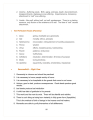
2. Origin of suffering - Suffering arises from attachment to desire, craving
(tanha). People themselves create t…
This text discusses the origin of suffering, which stems from attachment to desire and worldly pleasures. It highlights that sufferin…
80
Ten Perfected Virtues and Right View
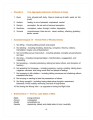
Ten Perfected Virtues (Paramis):
1. Dana giving, charitable act, generosity
2. Sila morality, ethics, precep…
This text outlines the Ten Perfected Virtues (Paramis) in Buddhism, emphasizing the significance of Dana (generosity), Sila (morali…
81
Understanding the Five Aggregates, Tenfold Path of Wholesomeness, and Four Lofty States of Mind
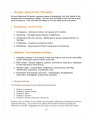
Khandha 5 Five Aggregates (elements, attributes of being)
1. Rupa form, physical self, body. Rupa is made up …
This text delves into three significant aspects of Buddhist philosophy: the Five Aggregates which consist of Rupa (form), Vedana (feel…
82
Hiri-Ottapa: Understanding Shame and Fear of Wrongdoing
Hiri-ottapa – Shame and Fear of Wrongdoing
Hiri and ottapa are Pali words, meaning ‘shame of wrongdoing’ (hiri) and ‘fearful…
Hiri and Ottapa are pivotal concepts in Buddhism, representing the shame of wrongdoing and the fear of its consequences. Together, they foster a good moral conscience. Individ…
84
The Core Principles of Buddhist Living
Purity of livelihood (achivaparissuddhismavara): The main duties of monks are to study Dhamma, practice medit…
This text outlines the essential duties and practices of Buddhist monks focusing on livelihood, moderation, and core principles of Buddhism. Monks dedicate …
86
The Five Precepts of Buddhism
THE FIVE PRECEPTS
The Five Precepts consist of the following:
1. Not to kill living beings (including an…
The Five Precepts in Buddhism outline ethical guidelines for practitioners, emphasizing respect for life …
88
Understanding the First Two Precepts of Buddhism
Benefits for keeping the First Precept—Not to Kill
• You will be free from physical disability; you will …
The First Precept emphasizes the importance of not killing, which leads to various physical and mental be…
89
Understanding Karma and Retribution for Stealing and Sexual Misconduct
The amount of effort put into the stealing -- The more effort put into the stealing, the more serious the retribu…
การลงโทษจะต้องตรงกับอาชญากรรม อาชญากรรมการขโมยทำให้เกิดความทุกข์ให้ผู้อื่น ซึ่งการทำผิดที่ทำให้ผู้อื่นเดือดร้อนมากจะมีโทษที่รุนแรงกว่า อย่างเช่น ถ้าขโมยทำให้ผู้ถูกขโมยทุกข์ยากมาก จะถูกลงโทษหนัก เช่น อ
90
Consequences of Breaking the Precepts
• The amount of effort used: the more effort used, the more serious the retribution
Like other violations of Precep…
บทความนี้อธิบายถึงความสำคัญของการรักษาศีล ประโยชน์ และผลกระทบหากมีการฝ่าฝืนโดยเฉพาะศีลข้อที่สามและสี่ ความพยายามในการรักษาศีลนำมาซึ่งความรักและความเคารพจากผู้อื่น ขณะที่การฝ่าฝืนจะส่งผลให้มีศัตรู และบ
91
Benefits of Keeping the Fourth Precept and Risks of Breaking the Fifth Precept
Benefits of Keeping the Fourth Precept
- You will have a radiant complexion
- You will be well-spoken, an…
Keeping the Fourth Precept offers numerous benefits including a radiant complexion, credibility in speech, and ov…

93
Understanding Merit and Its Impact on Life
MERITS
Everybody wants to be rich, beautiful and smart. Nobody wants to be poor, ugly and dumb. But how come some people are born lucky and ot…
Merit is the product of good deeds and serves as a positive energy that can lead to being rich, beautiful, and smart. It en…
94
Understanding Merit and Demerit: The Law of Karma
The opposite of merit is demerit, or ‘sin’. Demerit is the product of bad deeds. Bad deeds cause ‘bad karma’. Demer…
The opposite of merit is demerit, representing the consequences of bad deeds which cause negative karma. Both good …
95
Understanding Merit and Its Impact on Life
someone who is angry or hateful. When we are happy and content with ourselves, we project a personality of self-confidence and so…
Merit is an integral part of our personality, bringing satisfaction and contentment while enhancing social grace and self-confid…
96
Understanding Merit and the Law of Cause and Effect
Merit Results
We benefit from merit in four levels:
1. The mind -- improving the quality and the potentiality of the mind…
Merit affects our lives on four levels: mental improvement, personality enhancement, lifestyle benefits, and…
97
Ten Ways to Perform Good Deeds
Powerless - being jealous in others' success; having ill will
High social standing - being respectful to the virtuous; humble
Low social standing - being arrogant and disrespectful to the virtuous; l…
This text outlines ten good deeds that enhance merit, including acts of giving, adherence to moral precepts, and mental cultivation through meditation. It emphasizes the i…
98
The Impact of Good Deeds and Dhamma Practices
Rejoicing in the merit of others. Give appreciation and encouragement to those who perform good deeds. This act of appreciati…
การทำดีและการให้บุญแก่ผู้อื่นเป็นเรื่องสำคัญที่ช่วยเสริมสร้างการสนับสนุนจากผู้อื่น การสอนธรรมะเป็นรากฐานสำหรับหลักจริยธรรมและปัญญาทางจิตวิญญาณ ซึ่งเปิดทางให้เรารู้ถึงกฎแห่งกรรม การเกิดใหม่ และความจริง

99
Types of Generosity: Understanding Charitable Giving
GENROSITY
Types of generosity (Danavatthusutta)
There are different motives why charitable giving is done:
• Giving …
This text discusses various motives for charitable giving as outlined in the Danavatthusutta. It identifies three main types of generosit…