

Hi : ค้นหาหนังสือธรรมะ หน้า 160 / 216
หน้าหนังสือทั้งหมด
77
The Enlightenment of Siddhattha Gotama
was himself freed. He lastly surveyed the process how birth inevitably leads to aging, sickness and death,…
This text recounts the journey of Siddhattha Gotama, who realized that life is a cycle of birth, aging,…
78
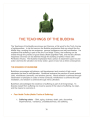
The Teachings of the Buddha
The Teachings of the Buddha
The Teachings of the Buddha are known as Dhamma, a Pali word for the Truth, the l…
The Teachings of the Buddha, known as Dhamma, emphasize the Middle Way, avoiding extremes of indulgence and se…
79
Understanding Suffering and the Noble Eightfold Path
… suffering - Suffering arises from attachment to desire, craving
(tanha). People themselves create this suffering by trying to cling on to
worldly pleasures.
3. Cessation of suffering - Suffering ceases…
This text discusses the origin of suffering, which stems from attachment to desire and worldly pleasure…
80
Ten Perfected Virtues and Right View
Ten Perfected Virtues (Paramis):
1. Dana giving, charitable act, generosity
2. Sila morality, ethics, precepts
3. Nekkhamma renunciation; relinquishment of worldly possessions
4. Panna wisdom
5. Vir…
This text outlines the Ten Perfected Virtues (Paramis) in Buddhism, emphasizing the significance of Dan…
81
Understanding the Five Aggregates, Tenfold Path of Wholesomeness, and Four Lofty States of Mind
… including killing animals and people
2. Not stealing – including cheating, deceiving, corruption, thievery, robbery, intimidation, forgery, and embezzlement
3. Not committing sexual misconduct – includ…
This text delves into three significant aspects of Buddhist philosophy: the Five Aggregates which consi…
82
Hiri-Ottapa: Understanding Shame and Fear of Wrongdoing
Hiri-ottapa – Shame and Fear of Wrongdoing
Hiri and ottapa are Pali words, meaning ‘shame of wrongdoi…
Hiri and Ottapa are pivotal concepts in Buddhism, representing the shame of wrongdoing and the fear of…
87
Killing and Karma: Understanding Consequences
…ves longer than a small animal. For example, the lifespan of a mosquito is as short as seven days, while the lifespan of an elephant could be as long as a hundred years. Killing an elephant is certainly…
This text discusses how the karmic consequences of killing vary based on several factors, including the…
88
Understanding the First Two Precepts of Buddhism
…g life.
2. Stealing — Breaking the Second Precept
Stealing is the act of taking possession of something without permission from the owner. Cheating, taking bribery, corruption and fraud, all fall under…
The First Precept emphasizes the importance of not killing, which leads to various physical and mental benefits, including a long life and good health. Meanwhile, …
89
Understanding Karma and Retribution for Stealing and Sexual Misconduct
…or; or even if he is not born poor, whatever possessions he may have may be lost or taken away from him.
Benefits of keeping the Second Precept — Not to Steal
- You will be born wealthy
- You will be a…
การลงโทษจะต้องตรงกับอาชญากรรม อาชญากรรมการขโมยทำให้เกิดความทุกข์ให้ผู้อื่น ซึ่งการทำผิดที่ทำให้ผู้อื่นเดือดร้อนมากจะมีโทษที่รุนแรงกว่า อย่างเช่น ถ้าขโมยทำให้ผู้ถูกขโมยทุกข์ยากมาก จะถูกลงโทษหนัก เช่น อ
90
Consequences of Breaking the Precepts
…sses that have
to do with sexual organs. He will also have many enemies.
Benefits of Keeping the Third Precept
• You will not have enemies
• You will be loved by many
• You will not lose possession of…
บทความนี้อธิบายถึงความสำคัญของการรักษาศีล ประโยชน์ และผลกระทบหากมีการฝ่าฝืนโดยเฉพาะศีลข้อที่สามและสี่ ความพยายามในการรักษาศีลนำมาซึ่งความรักและความเคารพจากผู้อื่น ขณะที่การฝ่าฝืนจะส่งผลให้มีศัตรู และบ
97
Ten Ways to Perform Good Deeds
Powerless - being jealous in others' success; having ill will
High social standing - being respectful to the virtuous; humble
Low social standing - being arrogant a…
This text outlines ten good deeds that enhance merit, including acts of giving, adherence to moral prec…
99
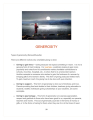
Types of Generosity: Understanding Charitable Giving
…rent motives why charitable giving is done:
• Giving to gain favor – Giving because we expect something in return. It is not a genuine form of merit making. For example, a politician looking to gain mo…
This text discusses various motives for charitable giving as outlined in the Danavatthusutta. It identi…
102
The Importance of Pure Giving
- The giver is pure -- The more pure the giver the more merit he will receive in his giving. It is wise for the giver to practice at least the Five Precepts to achieve purity. Purify …
…e act of giving is enhanced by the purity of the giver. By adhering to the Five Precepts, one can achieve greater merit through donations. In today's world, balancing financial stability with the desire…
103
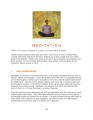
Understanding Meditation and Its Benefits
…world will be in peace."
Human beings consist of both body and mind. The mind is a form of energy which controls and sends sequels to the brain, enabling us to think, speak and act in either good or ba…
Meditation serves as a crucial tool for mental development, enabling the mind to achieve stillness and clarity. Human beings are composed of body and mind, where a clear mind leads to g…
104
The Balance of Mind and Body
…ay healthy without proper maintenance and rest?
* It is believed that a person only utilizes 10% of his/her mental capacity. Even at this minimal usage rate, the mind works wonders. Imagine, if we could…
The text discusses the intricate relationship between mind and body, emphasizing that both must coexist in harmony for optimal functioning. It h…
105
The Power of Meditation in Purifying the Mind
… A young mind has not yet been exposed to many mental contaminants. It is easier for the mind of a child to reach a calm and tranquil state conducive to successful meditation.
As we grow older we are fa…
…d perform optimally. A focused mind is powerful, akin to focused sunlight. With over 3,000 years of history, meditation has proven beneficial and remains relevant today. Visit dmc.tv for more insights o…
108
Meditation Techniques for Calm and Clarity
…ur body (see seventh base of the mind in the illustration). The crystal ball should be pure and soothing, like twinkling starlight to the eye. At the same time, softly repeat the sound of the mantra ‘Sa…
This text provides a comprehensive guide for meditation, emphasizing relaxation of body and mind throug…
109
Meditation Techniques for Continuous Mindfulness
Imagining the object of meditation is something you can do the whole of the time, wherever you may be, whether sitting, standing, walking, lying-…
การทำสมาธิสามารถทำได้ตลอดเวลา ไม่ว่าคุณจะอยู่ในท่าใด โดยการจินตนาการวัตถุของการทำสมาธิอย่างต่อเนื่องและไม่ต้องบังคับ อย่าหวังผลลัพธ์ในทันทีเพื่อป้องกันการรู้สึกไม่พอใจ ที่สำคัญคือการรักษาสภาวะจิตใจเป็
113
Understanding Dhammakaya Meditation and Mental Progress
…ch a mental object indicates that the mind is in a state of preparatory concentration [khanika-samadhi] where it is still only momentarily.
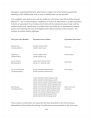
- Acquired image [uggaha-nimitta]: this is where the meditat…
การทำสมาธิแบบธรรมกายมุ่งเน้นไปที่การวางจิตใจ ณ ศูนย์กลางของร่างกายโดยไม่ต้องมองเห็นภาพภายนอก การตั้งใจภาพที่แท้จริงนำไปสู่การให้ความชัดเจนในจิต เพราะเมื่อจิตอยู่ในสภาวะสงบจะเกิดภาพที่สามารถขยายหรือหรื
114
Understanding Dispassion and Detachment in Dhammakaya Meditation
…ents can be reached.
The meditator sees and knows with the latter four of the five eyes the Buddha himself attained[15] - but in Dhammakaya meditation, the level of attainment is usually explained in t…
This text delves into the significance of dispassion (ekantanibbida) and detachment (viraga) in the pro…