

Mind : ค้นหาหนังสือธรรมะ หน้า 46 / 109
หน้าหนังสือทั้งหมด
72
The Four Enemies: Understanding Suffering
…Buddha characterized the suffering of sorrow as affect-
ing one with burning in the heart as if the mind has lost all
refreshedness. It is a mind that is ’dried up’ by anxiety, sleep-
less with loss of ap…
This text discusses the metaphor of four enemies that represent the sufferings inherent in human existence: birth, aging, illness, and death. Birth is akin to the first enemy, seducing us into life, w
75
Understanding Suffering and Attachment
… hateful things or escape from their grasp — but when we can’t it only adds to the suffering in our mind.
11. Separation from loved ones and treasured things [piyihi vipayoga dukkhā] If we are someone who…
This text delves into the various forms of suffering as described in Buddhist teachings. It highlights how separation from loved ones and possessions leads to emotional pain and how disappointment man
88
The Perils of Craving in Buddhist Teachings
…ere is no way you will manage completely to remove suffering. For as long as craving remains in the mind, suffering will continue to cause continual misery — just as a plant that is pulled up, but its roo…
In this teaching, the Buddha emphasized that craving is the root cause of suffering. He illustrated that just as a tree will regrow from its stump if not completely uprooted, suffering will persist if
94
The Nature of Suffering and the Pursuit of Happiness
…
pleasures — not being deluded by love, not being attached
to sense-pleasures — but cultivating the mind to purity —
renouncing the so-called ‘pleasures’ derived from sense-
pleasure and sense-objects in …
…lvation, one must diligently minimize attachment to these pleasures and focus on cultivating a pure mind.
98
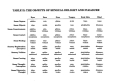
Exploring Sensual Delights and the Six Sense Organs
…s | Nose | Tongue | Body Skin | Mind |
|---------------------|---------------------|-----------------------|-----------------…
…ought conception, and discursive thought. Each sense organ—eyes, ears, nose, tongue, body skin, and mind—interacts with specific objects (rūpa, saddā, gandha, rasa, phoṭṭhabba, dhamma) leading to complex …
99
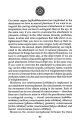
Understanding Sensual Attachment and Overcoming Cravings
…ment) then you have to overcome them at their respective sense organs (ears, nose, tongue, body and mind).
Moreover, the sensual objects [bhāriāyatana] are implicated in the attachment we have to sensual …
…oth the senses and their corresponding objects. Each sense - sight, sound, smell, taste, touch, and mind - holds its own consciousness linked to pleasure. Practitioners should focus on extinguishing cravi…
102
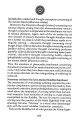
Overcoming Craving through the Noble Eightfold Path
…e mechanism of overcoming suffering requires the practitioner completely to uproot craving from the mind by transcendental extinction [samuccedapāhana] (i.e. raising the mind above the temptation of cravi…
This text explores how discursive thoughts about sensory objects lead to attachment and suffering. Each of the six senses contributes to craving, necessitating practitioners to overcome these attachme
111
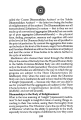
Understanding the Dhammakāya in Insight Meditation
… owner of those bodies to be reborn further in the cycle of existence.
Medicators who channel their mind through the Middle Way at the centre of the body from the Physical Human Body to the Subtle Formles…
This text delves into the concept of Dhammakāya Arahant, distinguishing between the Coarse and Subtle Dhammakāya. It explains that these bodies are transcendental and consist of pure aggregates that a
116
Understanding Nirvana: The Realm Beyond Existence
… (Anupādisesa Nirvana [Nibbāna]) is the Nirvana that is a realm of “existence” outside our body and mind. Sometimes it is called ‘posthumous’ Nirvana because you can only go there after the breaking up of…
This text delves into the concepts of Āyatanā Nibbāna and Anupādisesa Nibbāna, explaining that Nirvana exists beyond the physical realm and is not bound by worldly elements. It describes Nirvana as a
121
The Noble Eightfold Path: Ethical Conduct and Mindfulness
…yet done [bhāvanā-padhāna]; Maintenance of virtues already mastered [anurakkhaṇapadhāna].
7. Right Mindfulness
The Four Foundations of Mindfulness comprise:
Mindfulness of the body [kāyanupassanāsatipaṭṭ…
…nest living for monks. It explains Right Effort involving the Four Foundations of Effort, and Right Mindfulness which is centered on awareness of the body, feelings, mind, and mental phenomena. By underst…
134
The Importance of Meditation in Buddhism
Meditation is the focussing of the mind on a single object and abiding in a single mood without distraction or restlessness, or being caugh…
Meditation is central to Buddhist practice, allowing individuals to focus the mind on a single object, leading to the cultivation of virtues and deeper levels of awareness. The attai…
145
Understanding the Eightfold Path: Right Mindfulness and Right Concentration
… already done, not doing virtues not yet done and abandoning virtues already mastered.
As for Right Mindfulness, he would immediately and definitively be able to appreciate that the aggregate of corporeal…
This excerpt explores the significance of the Eightfold Path, specifically focusing on Right Mindfulness and Right Concentration. It emphasizes understanding the aggregates of existence as they rel…
170
The Foundations of Right Effort in Spiritual Practice
…is mate. Thus the pigeon entered the hermitage to keep EightPrecepts in order to still his troubled mind. The pigeon took
1. By "amenable" it is meant that something, somewhere or someone is conducive to …
…f wholesome intentions leading to the abandonment of past wrongdoings and the pursuit of a tranquil mind.
176
Understanding Right Concentration in Mindfulness
the emperor. Similarly, discretional mindfulness monitors
all mental phenomena — if it is unwholesome, then to try to
reduce it. If it is who…
This section discusses the concept of Right Concentration in mindfulness, highlighting its two essential characteristics: supporting role and focusing role. It draws…
181
The Path to Liberation in Buddhism
the defilements from their minds and to attain liberation.
The conclusion we can draw from seeing Koṇḍañña at-
tain stream-entry af…
…are and favorable conditions, spiritual progress can flourish. Therefore, optimizing one's life and mind is key to spiritual advancement, akin to nurturing a tree for fruitful outcomes.
183
Awakening Through Practice: The Path to Sainthood
…earnest meditation practice such as that outlined at the end of this book. Apart from purifying the mind of the practitioner, meditation serves to bring happiness in one’s everyday life, facilitates the o…
…rable afterlife. Readers are encouraged to engage in earnest meditation as a means of purifying the mind, fostering happiness, and cultivating wisdom, ultimately guiding oneself towards higher spiritual a…
222
Understanding Dhammakāya and Defilements in Meditation
…s mechanism of Bud-
dha's enlightenment 111; knowl-
edge of disappeared 500 years after
Buddha 103; mind characteristics
138; mind structure 138
Dhammakāya Anāgāmi: Coarse,
108, 134; Subtle, 108, 134; def…
The text provides an in-depth examination of the Dhammakāya concept, explaining various levels such as Dhammakāya Anāgāmi, Gotrabhu, and Sakidāgāmi. It discusses the nature of defilements and how arah
229
Exploring Key Buddhist Concepts and Practices
…e by which Buddha selects first disciple, 191-3 prostitution 163 psychophysical constituents of the mind 115-6: relationship between 127 punishment of robbers, caused by sensual indulgence 34 Pure Aggrega…
This text delves into various aspects of Buddhist philosophy, focusing on the teachings and practices associated with the Dhammakāya Tradition founded by Phra Mongkothpumuni. It highlights the signifi
249
Understanding Key Buddhist Concepts: A Glimpse into Mindfulness and Liberation
feeling: see aggregates) vedanānupassanā-satitapatthā (see mindfulness of feeling in the feeling) Vehapphalā (P. realm of Brahmas with abundant reward: see form Br…
…standing of various important Buddhist concepts. It covers essential terms such as vedanānupassanā (mindfulness of feelings), vipassanā (insight), and viriya (energy). Each term is associated with specifi…
35
ไม่พบเนื้อหา
4
Early Studies in Meditation
"Stopping the mind is the essence — it is both
the path and the fruit of Nirvana. Even those
who practise charity …
ไม่สามารถสรุปเนื้อหาได้เนื่องจากไม่มีข้อมูลที่มีอยู่