

Understanding Nirvana: The Realm Beyond Existence : หน้า 116/263
The Buddha’s First Teaching : หน้า 116/263 Exploring Anupādisesa and Āyatanā Nirvana, and the concept of transcending the mundane into boundless happiness.
6 ครั้ง
สรุปเนื้อหา
This text delves into the concepts of Āyatanā Nibbāna and Anupādisesa Nibbāna, explaining that Nirvana exists beyond the physical realm and is not bound by worldly elements. It describes Nirvana as a transcendent state that can be attained after the cessation of the five aggregates, leading to a state of infinite happiness devoid of suffering. The text emphasizes the uniqueness of Dhamma Bodies of past Buddhas that embody this pure state of being, independent of external influences. For those on the path of enlightenment, Nirvana offers a glimpse of infinite peace and fulfillment that surpasses ordinary existence. The pursuit of Āyatanā Nibbāna is presented as the ultimate goal of all Noble Ones in Buddhism. Visit dmc.tv for more insights into these concepts.
หัวข้อประเด็น
-Nirvana and its significance
-Ayatanā and Anupādisesa Nirvana
-Transcendence in Buddhism
-Dhamma Bodies of Buddhas
-Happiness and fulfillment in Buddhism
ข้อความต้นฉบับในหน้า
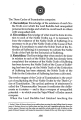
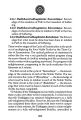
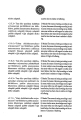
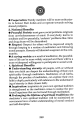
same happiness to us as if we were really in āyatanā nibbāna — but we are still ‘alive’ in our human body.
2. Nirvana without residual aggregates (Anupādisesa Nirvana [Nibbāna]) is the Nirvana that is a realm of “existence” outside our body and mind. Sometimes it is called ‘posthumous’ Nirvana because you can only go there after the breaking up of your five aggregates for the last time (one will not be reborn again). The Dhammakāya which one has attained by touching upon sa-upādisesa nibbāna will be drawn through the centre and enter upon anupādisesa nibbāna. This latter attainment is what we call āyatanā nibbāna’ which is the quest of all Noble Ones. Thus āyatanā nibbāna is the location of Nirvana.
3. The ‘sphere’ or ‘location’ of Nirvana (Āyatanā Nirvana [Nibbāna]) actually exists but it is not made up of normal elements like earth, water, wind and fire in the same way as things we can see with the naked eye. It is neither in this world or another world. It is not the sun, the moon or the stars because all of those things are still within the Three Spheres [bhava] and are hence mundane [lokiya]. Nirvana is outside the Three Spheres and is transcultural [lokuttara]. In Nirvana there is no movement, no coming or going. Those who have attained the path of Buddhist sainthood are able to see past Buddhas sitting deep in meditation [nirodha samāpati] in āyatanā nibbāna, more numerous than all the grains of sand in the four oceans. All that remains of them are their Dhamma Bodies — but Dhamma Bodies more exquisite than any Dhamma Body you can perceive within yourself — Dhamma Bodies that are self-sufficient with boundless happiness independent of any outside influence — because the mind of those Buddhas has transcended all suffering entirely, having attained the true fulfilment of life.
หน้าหนังสือทั้งหมด
1
2
3
4
5
6
7
8
9
10
11
12
13
14
15
16
17
18
19
20
21
22
23
24
25
26
27
28
29

30
31
32
33
34
35
36
37
38
39
40
41
42
43
44
45
46
47
48
49
50
51
52
53
54
55
56
57
58
59
60
61
62
63
64
65
66
67
68
69
70
71
72
73
74
75
76
77
78
79
80
81
82
83
84
85
86
87
88
89
90
91
92
93
94
95
96
97
98
99
100
101
102
103
104
105
106
107
108
109
110
111
112
113
114
115
116
117
118
119
120
121
122
123
124
125
126
127
128
129
130
131
132
133
134
135
136
137
138
139
140
141
142
143
144
145
146
147

148
149
150
151
152
153
154
155
156
157
158
159
160
161
162
163
164
165
166
167
168
169
170
171
172
173
174
175
176
177
178
179
180
181
182
183
184
185
186
187
188
189
190
191
192
193
194
195
196
197
198
199
200
201
202
203
204
205
206
207
208
209
210
211
212
213
214
215
216
217
218
219
220
221
222
223
224
225
226
227
228
229
230
231
232
233
234
235
236
237
238
239
240
241
242
243
244
245
246
247
248
249
250
251
252
253
254
255
256
257
258
259
260
261
262
263
หนังสือที่เกี่ยวข้อง
Load More