

N : ค้นหาหนังสือธรรมะ หน้า 282 / 475
หน้าหนังสือทั้งหมด
23
The Tipitaka Manuscripts of the Khammouan Cave in Laos
The Tipitaka Manuscripts of the Khammouan Cave in Laos
Anatole-Roger Peltier
On invitation of the Ministry of Info…
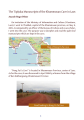
In May 2005, Anatole-Roger Peltier was invited by the Ministry of Information and Culture in Laos to e…
24
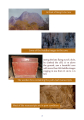
In front of Nong Pa Fa Cave
Some of the Buddha images in the cave
The wooden box containing the palm-l…
28
Historical Influences on Dham Lao and Lanna Scripts
According to research done by many linguists, it seems that the Dham Lao is influenced by the Dham Lanna scr…
Research indicates that Dham Lao is influenced by Dham Lanna, which derives from Mon writing. The historical ch…

29
Exploring the Origins of the Nong Pa Fa Cave Manuscripts
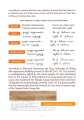
On the cover of one of the Nong Pa Fa Cave manuscript, we can read:
As the writing is clearly that of…
This text examines the Nong Pa Fa Cave manuscripts, highlighting their writing style as Dham Lanna. It raises questi…
32
Dhamma-kāya in the Pali Canon
Dhamma-kāya in the Pali Canon¹
Chanida Jantrasrisalai
I. Why ‘Dhamma-kāya’ in the ‘Pali Canon’?
The term dhamma-…
The study investigates the term dhamma-kāya as presented in the Pali Canon, aiming to provide a comprehensive an…
34
Understanding Dhammakāya in Early Buddhist Thought
II. The Different Approach
A fairly established academic understanding has settled regarding the term dhammakāya in …
The term 'dhammakāya' in the Pali canon is understood as representing the Buddha's teachings. It is established through seve…
35
Exploring the Concept of Dhammakāya in Pali Canonical Texts
Of the three canonical passages mentioned above, only the first, namely the Aggañña-sutta passage, contains the term…
This study reexamines the term dhammakāya in specific Pali canonical passages, notably the Aggañña-sutta, contrasting i…
36
References to 'Dhammakāya' in the Pāli Canon
III. References to 'Dhammakāya' in the Pāli Canon
In the Pali canon, the term dhammakāya appears four times: on…
In the Pāli Canon, the term 'dhammakāya' is found four times, significantly in the Aggiāṇā-sutta and A…
37
Exploring the Concept of Dhammakāya in the Aggañña-sutta
IV. Reference 1: Dhammakāya as the Tathāgata’s Designation
The first Pali reference to the term dhammakāya that…
This text discusses the term 'dhammakāya' as referenced in the Aggañña-sutta, emphasizing its importance in defining an heir of dhamma and the Tathāgata…
38
Understanding the Concept of Dhammakāya in Buddhist Thought
D.III.84
Vāsettha and Bhāradvāja, he whose confidence in the
Tathāgata is settled, rooted, established, solid, irremovab…
In this passage, Vāsettha and Bhāradvāja discuss the unwavering confidence in the Tathāgata, stating t…
39
Interpretations of Dhammakāya in Early Pāli Texts
Gombrich, while differently translating the term in this passage as a bahubbiha compound 'dhamma-bodied,' similarly interpre…
This text delves into various scholars' interpretations of the term 'dhammakāya' within the context of early Pāli sutta…
41
Understanding Dhammakāya: A Scholarly Interpretation
Points to Consider
It may be observed that the difference in previous scholarly interpretations of the t…
This text delves into scholarly interpretations of the term 'dhammakāya', emphasizing the need for a nuanced understand…
42
Saddhā: The Criterion of Being the Tathāgata's Son
Saddhā: Criterion of being the Tathāgata's Son
The first point to be looked at is the criterion of being the Buddha’s…
This text discusses the criterion of being the Tathāgata's son, emphasizing the irremovable confidence (saddhā) in the Buddha. It def…
44
Qualities of a Stream-Attainer in Buddhism
mentioned in the canon.40
The title ‘son of the Blessed one’ suggests that, through the
Buddha, the per…
This text delves into the characteristics of a Stream-attainer, identified as a noble disciple who is reborn to a trans…
45
Understanding Dhamma and Spiritual Realization
This corresponds to the set of four activities41 belonging to a Stream-attainer (sotāpattiyānga) which brings abou…
This content discusses the process of spiritual attainment through dhamma, emphasizing four key activities t…
48
Brahmins and Noble Disciples: A Comparative Analysis
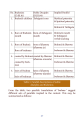
No. | Brahmins (D.III.81) | Noble Disciples (D.III.84) | Implied Parallel
---|-----------------------…
The text presents a comparative analysis between Brahmins and Noble Disciples, highlighting their similarities in m…
49
The Tathāgata and Brahmā: A Semantic Analysis
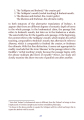
1. The Tathāgata and Brahmā,48 the creator god
2. The Tathāgata's mouth (verbal teaching) & Brahmā mouth.
3. The dhamma…
This passage delves into the nuanced relationships between the Tathāgata and Brahmā, highlighting the semantic layers pres…
50
Understanding the Connotation of Dhamma in Relation to Brahma
In the case that ‘brahma-’ refers to the masculine ‘Brahma’
In case of the term ‘brahma-’ in the three…
In this text, the term 'brahma-' is analyzed in the context of its translation as the masculine 'Brahm…
52
Understanding the Noble Eightfold Path and Threefold Path in Buddhism
[Right concentration, again, becomes the basis of right views, right aspirations, and other steps of the noble…
This text elaborates on the interrelationship between Right Concentration, Right Views, and Right Aspirations as pivotal el…
53
Understanding Dhamma and Nibbāna in Buddhism
With regard to dhamma as the 'essence' of the Buddha and Arhat disciples, however, it may be more appropriate to refer to 'Nibbāna,' fo…
This text explores the concept of dhamma in relation to the Buddha and Arhat disciples, particularly the notion of Nibbāna as …