

Pāṭhama-magga : ค้นหาหนังสือธรรมะ หน้า 3 / 3
หน้าหนังสือทั้งหมด
244
Understanding Buddhist Concepts: Nirvana and Absorptions
nevasāññāṇasāññāyatana (absorption of neither-perception-nor-non-perception: see formless absorptions) Nevasāññāsaññāyatanaabhūmi (realm of neither-perception- nor-non-perception: see formless Brahma
This text delves into various Buddhist concepts such as Nevasāññāṇasāññāyatana, the realm of neither-perception-nor-non-perception, Nibbāna, and other related terms. It discusses the Five Aggregates,
55
Implications of Dhamma and Brahma in Buddhist Teachings
While a conclusion is proposed here to some extent, it may be useful to examine further implications from the parallel usage of the term 'dhamma' and 'brahma' elsewhere, for it may add further underst
เนื้อหานี้สำรวจการใช้คำว่า 'ดัมมะ' และ 'บราเหมะ' ในวรรณกรรมพุทธศาสนา และการตีความความหมายที่เชื่อมโยงกันของทั้งสองคำ เป็นการศึกษาความสำคัญของการใช้คำที่ขนานกัน ซึ่งสะท้อนถึงสถานะความบริสุทธิ์สูงสุดที่
77
Re-evaluating the Concept of Dhammakāya in the Pali Canon
No-one can upset the (Padumuttara Buddhu) entire mine of jewels, who is demonstrating the dhammakāya; having seen him, who is not pleased?
In order to clarify further regarding the precise connotation
This study revisits the term dhammakāya in the Pali canon, highlighting its significance in Buddhist teachings. By examining the Sambuddha-sutta, the relationship between 'the path' and dhammakāya is
102
Wisdom and the Dhammakāya in Buddhist Teachings
Some of the qualities or forms of wisdom listed in the text are exclusive to Buddhas such as omniscience (sabbaññutāna), intrepdity (vesārajjanāna), and the ten supreme intellectual powers of a Buddha
The text highlights unique qualities of wisdom exclusive to Buddhas, including omniscience and the ten intellectual powers. It discusses the dhammakāya as the embodiment of a Buddha's inner wisdom, di
114
การบรรลุของพระพุทธเจ้าและอรรถธรรม
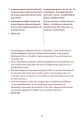
ญ๊ษัททําสําทัดะสา adigatạ: that the Lord attained. Imam dhammakāyăm buddharakkhaṇam: the body of Dhamma (dhammakāya) is the property (lakhana) of the Lord Buddha. Yogāvacarapputanna: the practitioners
ในเนื้อหานี้กล่าวถึงการบรรลุของพระเจ้าพุทธเจ้าและการปฏิบัติธรรมอย่างจริงจังเพื่อนำไปสู่การเข้าถึงนิพพาน โดยมีการเน้นถึงความสำคัญของการทบทวนและสวดบทสวดเพื่อกราบไหว้พระ. พุทธศาสนิกชนถูกกระตุ้นให้ถือปฏิบ

36
Understanding the Eightfold Path
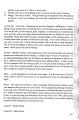
Forth, the truth of the path to cessation of suffering or "Magga" in Pali. อธิษัขข้อที่ 4 คือ ทางแห่งการพ้นทุกข์ หรือมรรค
There is a path to the end of suffering and a gradual path of self-improvement
บทความนี้อธิบายถึงมรรคหรือทางแห่งการพ้นทุกข์ในพุทธศาสนา ซึ่งคืออริยมรรค 8 ที่นำไปสู่การสิ้นสุดของทุกข์และการพัฒนาตนเองอย่างค่อยเป็นค่อยไป มันอยู่ระหว่างความพอใจมากเกินไปและการอดทนเกินไป ในการเปรียบเที
158
Understanding Key Buddhist Concepts: Nirodha, Jai Yen Yen, Kamma, and Kilesa
and how to get more of it. This is a vicious cycle.
3. Nirodha: The way to end suffering exists; we need to end the cycle of craving.
4. Magga: The way to do this? Through following the Eightfold Nobl
This text discusses fundamental Buddhist concepts including Nirodha, which emphasizes the need to end the cycle of craving to alleviate suffering. The term 'Jai Yen Yen' encourages a calm and refined
25
ความสัมพันธ์ระหว่างศิลาจารึกและอรรถกถาในพระพุทธศาสนา
ความสัมพันธ์ระหว่างศิลาจารึกในภาพนี้ในภาษาไทย
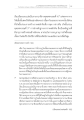
เรียบเรียงและแปลเป็นภาษาบาลีรวมพระพุทธศาสนาที่ 10^34 แต่ผลจากการวิจัยนี้แสดงให้เห็นอย่างชัดเจนว่า เนื้อหาในอรรถกถาดกนั้นมีส่วนที่เกิดขึ้นก่อนการสร้างภาพสล
การศึกษาในเอกสารนี้เน้นความสัมพันธ์ระหว่างศิลาจารึกและเนื้อหาในอรรถกถาที่ปรากฏในพระไตรปิฎก โดยวิจัยหลักฐานทางประวัติศาสตร์เพื่อกำหนดอายุของเนื้อหาในอรรถกถาก่อนยุคพุทธศตวรรษที่ 3 การนำรูปแบบการศึกษาดัง
134
The Importance of Meditation in Buddhism
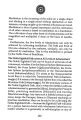
Meditation is the focussing of the mind on a single object and abiding in a single mood without distraction or restlessness, or being caught up in external influences on mood. Meditation is thus of gr
Meditation is central to Buddhist practice, allowing individuals to focus the mind on a single object, leading to the cultivation of virtues and deeper levels of awareness. The attainment of the five
236
Glossary of Buddhist Terms
Akiṇiṭṭhā (P. Realm of Supreme anurakkhāṇa-paddhāṇa (maintre Brahmas: see form Brahmā
akusalahamma (see unwhole- anusayā (see subtle defilements)
someness) apilapanasati (see monitoring as- alābha (se
This glossary provides definitions and explanations of essential Buddhist terms, including various realms, states of mind, and notable figures. Key concepts such as Anāgamī (non-returner), anatta (not
142
Untitled
Dhammaķāya tradition, 70, Kela, Uncle, 66
110-111, 126; heir sought, 133;
reputation abroad, 128
Dhammapada, 33, 41
Dhammayutthika, 12, 145
discipline, monastic, 30, 56, 63,
145
Eightfold supranormal
No content available for summary.
150
Untitled
there. Focus your mind continuously on the tiny star at the centre of the object of meditation. The mind will adjust itself until it comes to a perfect standstill. At that point, the mind will fall th
No content provided for summary.
180
Untitled
mind will adjust itself until it comes to a perfect standstill. At that point, the mind will fall through the centre and there will be a new brighter sphere which arises in place of the original one.
No content available for a summary.