

R&D : ค้นหาหนังสือธรรมะ หน้า 18 / 497
หน้าหนังสือทั้งหมด
59
Understanding the Noble Truths of Suffering
by reflecting on Suffering's meaning at 2, 3 and 4 in that
order. As for the the meaning at 2, even though it is con-
cerned with the Noble Truth of Suffering, it has implications
reaching to the Orig
The text reflects on the meanings of Suffering within Buddhism, particularly its Noble Truths. It discusses how the meanings related to Suffering connect with the Origin, Cessation, and the Noble Eigh
101
Understanding Sensory Craving and Attachment
registration is implicated in the attachment we have to sensual pleasures. Again, each of the six senses has its own channel of sense-volition therefore there are a further six areas in which the prac
This text delves into the role of sensory experiences in fostering attachment to sensual pleasures, with a focus on the six senses: visual, auditory, olfactory, gustatory, tactile, and mental. Each se
153
Understanding Right View and Right Intention in Buddhism
[Image contains text and a circular symbol at the top]
4. The view that this world lacks reality or doesn’t exist;
5. The view that the afterworld lacks reality or doesn’t exist;
6. The view that
This text examines the principles of Right View and Right Intention in Buddhism. It highlights the dangers of False Views, such as denying the reality of this world or the afterlife, and emphasizes th
155
King Asoka: Patron of Buddhism
by inviting 60,000 monks for alms in the palace daily. The king wanted to have the chance to pay respect to a fully-enlightened Buddha and with this end in mind, invited the Naga King to come up from
King Asoka was a pivotal figure in Buddhism, inviting 60,000 monks for daily alms and yearning to pay respect to a fully-enlightened Buddha. He invited the Naga King to appear as the Buddha for homage
176
Understanding Right Concentration in Mindfulness
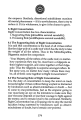
the emperor. Similarly, discretional mindfulness monitors
all mental phenomena — if it is unwholesome, then to try to
reduce it. If it is wholesome, to give it the chance to grow.
8. Right Concentrat
This section discusses the concept of Right Concentration in mindfulness, highlighting its two essential characteristics: supporting role and focusing role. It draws analogies to illustrate how concen
196
The Dangers of Sensual Pleasures and Self-Mortification
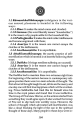
1.1 Kāmasukhallikāyunāga: indulgence in the various sensual pleasures is harmful in the following ways:
1.1.1 Hino: It makes the mind coarse and clouded;
1.1.2 Gammo: (this word literally means "house
In Buddhist teachings, indulgence in sensual pleasures is deemed harmful as it clouds the mind, encourages a household life, collects defilements, and is ultimately unprofitable. Similarly, self-morti
201
The Noble Truths of Suffering and Cessation
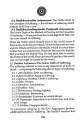
3.3 Dukkhanirodha Aryasacca: The Noble Truth of the Cessation of Suffering—the sickness of suffering which plagues us all has a cure;
3.4 Dukkanirodhagāminī Paṭipadā Aryasacca: The Noble Truth of the
The Noble Truths articulate the nature of suffering and its cessation. Dukkha encompasses various types of suffering including birth, aging, and death, as well as emotional pains like sorrow and disap
217
The Moment of Enlightenment
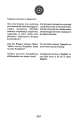
brahmunā vā kenaci vā lokasminṭi”.
Itīha tena khaṇena tena muhuṭṭena yava brahmalokā saddo abbhuaggacchi. Ayāṅca dasasahassi lokadhātu saṅkampi sampăampi sampa’vedhi. Appamaṇo ca olāro obhāso loke pā
In a significant moment, a cry ascended to the Brahma-world, causing a tremor throughout the ten-thousand-fold cosmos and releasing a vast radiance that surpassed that of the deities. Bhagavā acknowle
224
Insights on Suffering and Enlightenment
execution, suffering of at death 68
Existence, Cycle of 9, 16, 37, 178, 185-6
extinction of craving, transcendental 100, 115, 175
Extinction of Suffering, Noble Truth of(see Cessation of Suffering, No
This text delves into pivotal Buddhist doctrines centered around suffering and enlightenment. It discusses the cycle of existence and the importance of overcoming craving. With references to meditativ
228
Understanding Nibbāna and the Noble Truths
natal wind 61
neighbourhood concentration 43,
neither-perception-nor-non-perception, absorption of 193
nibbāna, anupadisesa 21, 112, 114;
ayatana 21, 102, 112, 114; sa
upādisesa 21, 112, 113-4
Nirvana
This text delves into key concepts in Buddhist philosophy, particularly Nibbāna and the Noble Truths. It discusses the interrelation of teachings, the significance of practicing the Middle Way to atta
229
Exploring Key Buddhist Concepts and Practices
Phramonkothpumuni: emphasises practice 12; explains "dhammikāya" and "āyatannibbāna" 102; founder of Dhammakāya Tradition 102; respected commentarian 102-3; sixteen tasks of 207 physical deeds, wholes
This text delves into various aspects of Buddhist philosophy, focusing on the teachings and practices associated with the Dhammakāya Tradition founded by Phra Mongkothpumuni. It highlights the signifi
240
Understanding the Noble Truths and Suffering
dukkhanirodhagāminī ariyasacca knowledge that what must be done in relation to the Noble Truths has been done (see the Noble Truth of the Path to the Cessation of Suffering)
dukkhanirodhagāminī kat
บทความนี้สำรวจและอธิบายเกี่ยวกับความจริงอันสูงส่งเกี่ยวกับความทุกข์และเส้นทางในการบรรเทาความทุกข์ตามหลักธรรมของพุทธศาสนา เนื้อหาครอบคลุมถึงความรู้ในด้านต่างๆ ที่เกี่ยวข้องกับแนวทางการดับทุกข์ รวมถึงปร
247
Glossary of Buddhist Terms
Sammañi Dıṭṭhi (see Right View)
Sammaña Kammanta (see Right Action)
Sammaña Samādhi (see Right Concentration)
Sammaña Sambuddho (P. an epithet of the Buddha: the Perfectly Enlightened One)
Sammañ
This glossary serves as a valuable resource for those exploring Buddhism, providing definitions and explanations of important terms. It covers concepts such as Right View, Right Action, and mindfulnes
44
No Input Provided
could manage to achieve it. Sensation, memory, thought and cognition: all these things must be united into one single spot. Once the mind is still, it ceases to be. Once it ceases to be, the new one c
No summary available due to lack of content.

45
Untitled
In his thirteenth rains retreat, Candasaro took with him all the monks who had already attained Dhammakāya to Wat Songpinong where they were to stay during the rains, teaching Dhamma to monks and inte
No content available for summary.
109
No Input Provided
for Allied bombing. Luang Phaw had unshakeable faith
that the omnipotence of the Dhammakāya would protect Wat Paknam and its congregation from the bombs. Luang Phaw’s confidence was not unfounded and
No content available for summarization or SEO parameters.

82
Untitled
80 : Universal Goodness
media, one can certainly make the time to quell one’s defilements
at least ten to fifteen minutes a day.
How to Quell Defilements?
At bedtime, one should do some chanting fo
No content available to summarize.
114
Untitled
112 : Universal Goodness
The Effects of Universal Goodness on One’s Mind
Cleanliness of the body and the objects around one’s person keeps one’s mind clean. Cleanliness leads automatically to orderl
No content provided.
56
Untitled
Abbot had some sort of magic power and before long, whenever air-raid sirens were sounded, the people of Bhasicharoen would hasten to the temple precincts rather than shelter in air-raid bunkers. The
No summary available due to lack of content.
187
OCR Text Analysis
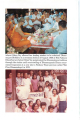
Khun Yaw allowed her leading student to be ordained 'Dhammajayo Bhikkhu' at a ceremony held on 27 August 1969 at Wat Paknam Bhasicharoen (below) Khun Yaw perpetuated the Dhammakaya tradition through t
This content discusses various methods and technologies used to extract text from images using Optical Character Recognition (OCR). It outlines the principles of OCR, its significance in data processi