

R&D : ค้นหาหนังสือธรรมะ หน้า 95 / 298
หน้าหนังสือทั้งหมด
177
Meditation Technique: Spreading Loving Kindness
Part Six: Meditation Technique and Tips
We will rid ourselves of anger and we will be positive
thinkers. Most importantly, it will greatly help to improve
our meditation.
We can share loving kindness
In this section, discover techniques to enhance your meditation by sharing loving-kindness and positive energy. Begin by stilling your mind and focusing on the center of your body, where feelings of l
178
Meditation Technique and Tips
Part Six: Meditation Technique and Tips
the world who are suffering as a result of war and conflict.
Wish that everyone will stop taking advantage of one another
in the name of greed, anger and ignora
Part Six discusses the importance of meditation in fostering peace and happiness. It emphasizes the need for mental purity during meditation to radiate positivity. The steps for effective meditation i
179
Meditation Technique and Preparation Tips
Part Six: Meditation Technique and Tips
Things to Prepare and Select Before Starting the
Meditation Session:
1. Seat for meditation with necessary amount of
cushion.
2. Mind free from expectation, wor
In this section, we discuss important preparations for a successful meditation session. Key elements include choosing a comfortable seat, ensuring a clear and focused mind, and selecting an initial 'I
180
Ten Homework Assignments for Meditation Practitioners
Part Six: Meditation Technique and Tips
Chapter 33
The Ten Homework
Assignments for
Meditation Practitioners
1 2 3 4 5
To improve our meditation experience, we must always
observe how well we meditate
In this chapter, we delve into ten essential homework assignments designed for meditation practitioners. To enhance our meditation experiences, it is crucial to observe daily meditation practices and
181
Meditation Techniques and Daily Practices
Part Six: Meditation Technique and Tips
session. On other days, you may feel tense and have poor
meditation experience because of stress from work.
We should observe how daily activities affect medita
In this section, we explore how daily activities impact meditation experiences and provide ten practical assignments for practitioners. By reconnecting with the body's center, cultivating gratitude, a
182
Meditation Techniques and Daily Practices
Part Six: Meditation Technique and Tips
whether that be brushing your teeth, standing around,
showering, driving, exercising, etc.;
6. Smile and speak in an endearing way;
7. Make the effort to see th
This section provides practical tips for integrating meditation into daily life, including maintaining a positive mindset, keeping a meditation diary, and reflecting on good deeds before sleep. It emp
184
Glossary of Key Concepts in Buddhist Philosophy
Part Seven: Appendixes
Glossary
Anattata: Non-self; nothing in the world has implicit
identity
"There is nothing out there, not even our bodies, which
we can control. Thus, it is not distinctly ours.
This glossary provides definitions for key Buddhist concepts such as Anattata (non-self), Aniccata (impermanence), and Bhavana (meditation). It emphasizes the understanding that nothing possesses a pe
185
Glossary of Dhamma Terms
Part Seven: Appendixes
Danamaya: see Dana
Dhamma: split into three main meanings: First: "Pure
Nature" within existence and our relationship to it; Second:
the teachings of how to get to our "Pure Nat
This appendix provides definitions for crucial terms related to Dhamma, including the meaning of Dhama, the significance of giving sermons, the process of forming right outlooks, and the concept of su
186
Understanding the Five Precepts and Spiritual Cultivation
Part Seven: Appendixes
All of these precepts are meant to decrease kilesa,
especially sexual desire and allow us to focus on spiritual
cultivation.
Five Precepts: five rules of conduct that we can cho
This section discusses the Five Precepts aimed at reducing kilesa, particularly sexual desire, fostering spiritual growth. The Five Precepts include refraining from killing, stealing, sexual misconduc
188
Glossary of Buddhist Terms
Part Seven: Appendixes
Kamma (Sanskrit: Karma): neutral word meaning action
with intention; action
Khanti: endurance
Kilesa (also spelled Gilesa): the impure element to our
mind; i. e. passion, lust,
This glossary provides definitions for essential Buddhist vocabulary, including terms like Kamma, which refers to actions with intention, and Nibbana, the ultimate state of understanding. It discusses
189
Appendixes on Good Deeds and Paths to Destruction
Part Seven: Appendixes
to perform good deeds and this results in parami formation
within the mind
Roads to Ruin: any of the paths, professions, or actions
that eventually lead to destruction; they inc
This section discusses the significance of good deeds and how they cultivate parami within the mind. It outlines various detrimental paths that lead to personal destruction, including indulgence in li
190
Understanding Key Concepts in Buddhism
Part Seven: Appendixes
Right Roles; refers to the principle of aiding people in order
to develop a unified society
Sangha: an assemblage; a community of people who
have completely dedicated their live
In this section, key concepts in Buddhism are elaborated, including the importance of community (Sangha) and mindfulness (Satti) in nurturing a unified society. Sila, or moral discipline, highlights t
191
Appendixes of Theravada Buddhism
Part Seven: Appendixes
Theravada: "the Doctrine of the Elders"; considered as
"Orthodox" Buddhism
Tripitaka: The Pali Canon; Source of Buddhist Scriptures
dating back to the time of the Buddha
Tilakkh
This section provides definitions and explanations of key terms related to Theravada Buddhism. It includes insights into the Tripitaka, the Pali Canon which is the primary source of Buddhist scripture
192
Bibliography and References in American Family Diversity
Part Seven: Appendixes
Bibliography and
References
Eitzen, M. Zinn and D. Stanley, Diversity in American
Families, Harper and Row Publishers, New York 1987.
Somdet Phra Maha Samana Chao Krom Phraya
Va
This section presents a compiled list of crucial references and bibliographic entries that illuminate the diversity in American families and significant Buddhist texts. It includes works by Eitzen and
193
Sourced Teachings and Dhamma Practices
Part Seven: Appendixes
Sourced Teachings
Grouped Dhamma Teachings in Numerical Order:
Groups of Four:
Four Actions that Lead to Spiritual Growth (Vuddhi):
1. Search for a good teacher; role-model (Sap
In this section, we outline essential Dhamma teachings that guide spiritual growth and ethical living. The four actions leading to spiritual advancement include searching for good teachers, deeply lis
194
Exploring Tolerance and Benevolence in Daily Life
Part Seven: Appendixes
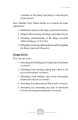
3. Tolerance; putting up with adversity; patience
(Khanti)
4. Being able to part with possessions and give them
to the proper people who will care for them well;
renunciation (C
In this section, we delve into the virtues of tolerance and benevolence, such as patience (Khanti) and renunciation (Cāga). The text highlights four detrimental paths leading to ruin, including indulg
195
Valuable Tools for Personal Growth
Part Seven: Appendixes
a member of the family and doing it with integrity
(Samānattatā)
Four Valuable Tools Which Enable us to Reach our Goals
(Iddhipāda):
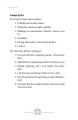
1. Satisfaction and joy in the thing concern
In this section, we discuss four valuable tools for reaching goals, known as Iddhipāda. These include Chanda (satisfaction), Viriya (diligent effort), Citta (wholehearted attention), and Vimamsā (rese
196
The Six Roads to Ruin and Directions Worthy of Respect
Part Seven: Appendixes
Groups of Six:
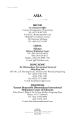
Six Roads to Ruin (Apāyamukha):
1. Drinking intoxicating liquors
2. Wandering abroad at night; nightlife
3. Indulging in entertainment: theatres, saloons, bars,
e
Part Seven of the text outlines critical moral lessons including the six roads to ruin, which encompass detrimental behaviors such as alcohol consumption, nightlife, and poor friendships. It contrasts
198
Meditation Centers in Asia
Part Seven: Appendixes
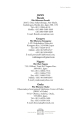
ASIA
BRUNEI
Co-ordination Office
Contact: Ruangrassame Chareonying
Tel: +(673) 8-867-029
E-mail: [email protected]
Thailand Co-ordinator contact:
Ms. Rawiwon Mechang
Tel: +(66
This section provides essential contact information for Dhammakaya meditation centers located in various Asian countries such as Brunei, China, Hong Kong, and Indonesia. The text includes names, phone
199
Wat Bhavana Centers in Japan
Part Seven: Appendixes
JAPAN
Ibaraki
Wat Bhavana Ibaraki
2816-2 Oaza Arakawahongo, Ami-Machi,
Inashiki-gun, Ibaraki-ken, Japan 300-1152
Tel: +(81) 2-9846-6110
Mobile: +(81) 080-5489-5669
+(81) 080-548
This section provides the addresses and contact information for several Wat Bhavana meditation centers in Japan, including Ibaraki, Kanagawa, Nagano, and Osaka. Each center offers unique resources for