

Understanding : ค้นหาหนังสือธรรมะ หน้า 9 / 55
หน้าหนังสือทั้งหมด
15
Understanding the Dhammacakka Pavattana Sutta
…mitting the Sutta to memory by chant ing is advantageous when it comes to reflection upon and hence understanding of the Sutta. If you cannot yet memo rize the Sutta, it is advantageous even to listen to the Sutta…
The Dhammacakka Pavattana Sutta serves as the foundational teaching of Buddhism, delivered by the Buddha to the group of five monks. It encapsulates essential principles that are crucial for anyone wi
17
Dhamma Practice and Understanding in Dhammacakkapavattana Sutta
translation are hampered in their studies both by the scarcity of the original and its archaic language. In spite of the present author's respect for the original use of language, to leave it in its o
This work addresses the challenges of understanding the Dhammacakkapavattana Sutta due to its original language and scarce resources. The author adapts…
26
The Noble Truths and the Path to Nirvana
3. The Noble Truth of the Cessation of Suffering [dukkhanirodha ariyasacca];
4. The Noble Truth of the Path to the Cessation of Suffering [dukkhanirodhåkāmıni ariyasacca].
Apart from allowing Prince S
…ghtenment and Nirvana while alive. The Buddha's insights reveal the Five Aggregates, fundamental to understanding the nature of existence. By examining these concepts across three cycles, the Buddha attained enlig…
27
Understanding the Four Noble Truths in Buddhism
**1. Saccaṇāṇa:** This first cycle of examination of the knowledge of the Four Noble Truths established the knowledge of the Truth of their Existence. Thus he was to find out: 'this is the Noble Truth
…stence), Kiccāṇāṇa (knowledge of duty), and Kataṇāṇa (knowledge of fulfillment). Each cycle deepens understanding of suffering and the necessary actions related to it—what should and has been done. This structured…
28
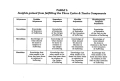
Insights into the Three Cycles and Twelve Components of Suffering
TABLE I:
Insights gained from fulfilling the Three Cycles & Twelve Components
| Ariyasacca | Dukkha Ariyasacca | Samudya Ariyasacca | Nirodha Ariyasacca | Nirodhagamini Patipada Ariyasacca |
| ---
… through the lens of the Four Noble Truths in Buddhism. Each Ariyasacca component provides a deeper understanding of suffering, including its existence, origin, cessation, and the path to overcome it. By identifyi…

78
Understanding the Noble Truth of Suffering
tial a person might be, it doesn't merit any special consideration on suffering's part — all are equal in the face of suffering. Thus, realization of the reality of suffering for what it really is, to
This section discusses the Buddhist understanding of suffering, emphasizing that all beings are equal in their experience of suffering. It highlights…
86
Understanding Craving and Suffering in Buddhism
…ility [samatha] which entails making the mind still and insight [vipassanā] which is the wisdom and understanding of the world as it really is — the latter arising from the mind which is still.
…ntaining awareness of the Three Universal Characteristics—impermanence, suffering, and not-self. By understanding and reflecting on these truths, practitioners can strive toward escaping the cycle of rebirth and u…
145
Understanding the Eightfold Path: Right Mindfulness and Right Concentration
fort: doing of evils not yet done, maintainance of evils already done, not doing virtues not yet done and abandoning virtues already mastered.
As for Right Mindfulness, he would immediately and defini
…e Eightfold Path, specifically focusing on Right Mindfulness and Right Concentration. It emphasizes understanding the aggregates of existence as they relate to the Three Signs: impermanence, suffering, and not-sel…
191
The Significance of the Dhammacakka Pavattana Sutta
Siddhattha's footsteps. When Siddhattha was training him-self under the auspices of Ālara and Udaka it was Koṇḍañña who was also to train himself in Siddhattha's footsteps. Thus, Koṇḍañña, along with
… by the Buddha. It was delivered to a group of five adept meditators, setting a clear framework for understanding the Dhamma. The thoroughness of Ānanda's records provides essential context for the teachings, emph…
199
The Buddha's Teachings on Reality and the Middle Way
the Buddha didn’t explain what the device was by which they could see and know according to reality, they could follow the gist of what he was explaining.
2.3 Benefits of Seeing and Knowing according
…d knowing according to reality. Although he did not explicitly define the device for achieving this understanding, he outlined its benefits, including the stilling of the mind, the attainment of supreme knowledge,…
207
The Liberation and Enlightenment of Koññña
the cosmos with its deities, Mārās and gods, with its contemplatives and priests, its royalty and commonfolk."
"O! Monks! My liberation from the Cycle of Existence is real and permanent. This is my fi
This text discusses Koññña's journey towards enlightenment through focusing his mind and understanding the Four Noble Truths. His liberation from the Cycle of Existence is emphasized, marking the signif…
215
The Tathāgata and the Cycle of Enlightenment
Yāva kivāñca me bhikkhave, imesu "O! Monks! If the Tathāgata had not fully com-
catusu ariyassaccevaṁ tiparivattaṁ completed these three cycles with their twelve com-
dvaḍasākāraṁ yathābhuṭṭaṁ nān
… the Wheel of Dhamma at Isipatana, which signifies the beginning of his teachings on liberation and understanding of existence. It underscores the themes of liberation, understanding the nature of existence, and t…
229
Exploring Key Buddhist Concepts and Practices
Phramonkothpumuni: emphasises practice 12; explains "dhammikāya" and "āyatannibbāna" 102; founder of Dhammakāya Tradition 102; respected commentarian 102-3; sixteen tasks of 207 physical deeds, wholes
…entration. Insights into the Six Recollections and the reality of suffering provide a comprehensive understanding of the path to Cessation of Suffering. The connection between rationalization and realization in un…
235
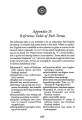
Reference Table of Pali Terms
Appendix D:
Reference Table of Pali Terms
The following table is not intended to be an exhaustive Pali-English dictionary: it contains only terms found in this book. Where an equivalent English term
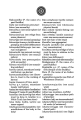
…. Each term is accompanied by English translations and necessary clarifications, guiding readers in understanding essential concepts. Proper nouns are indicated, and untransliterated terms are directly referenced …
242
Glossary of Key Buddhist Terms
Kakusandha (P. the name of a käya samphassa (tactile contact: past Buddha) see sense-contact)
kalla (see embryonic precursor) käyasucarita (see wholesome
kāma (see sensuality) physical deeds)
kāmabhav
…res like past Buddhas and their teachings, aiming to clarify essential Buddhist concepts for better understanding. This glossary serves as a valuable resource for both practitioners and scholars interested in deep…
246
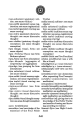
Fundamental Concepts in Buddhist Psychology
rasa-saṅchetana (gasticatory volition: see sense volition)
rasa-saṃnā (gasticatory sense registration: see sense registration)
rasa-tanḥa (gasticatory craving: see sense craving)
rasa vicāra (ga
…of thought and concentration, showcasing their binding relationship to meditation practices and the understanding of the Four Noble Truths. These elements contribute to a comprehensive understanding of human senso…
249
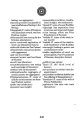
Understanding Key Buddhist Concepts: A Glimpse into Mindfulness and Liberation
feeling: see aggregates) vedanānupassanā-satitapatthā (see mindfulness of feeling in the feeling) Vehapphalā (P. realm of Brahmas with abundant reward: see form Brahma realms) vibhavaṭaṅhā (see cravin
This text provides an in-depth understanding of various important Buddhist concepts. It covers essential terms such as vedanānupassanā (mindfuln…
73
The Art of Mastering Learning
Universal Goodness : 71
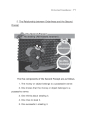
2. The Relationship between Orderliness and the Second Precept
The Second Precept:
No stealing (Adinnadana veramani)
Let's observe the Five Precepts!
…ignificantly improve one's ability to learn and retain information. It emphasizes the importance of understanding personal learning styles and adapting various strategies accordingly. Key topics include active lea…
79
An Introduction to Quantum Mechanics
Universal Goodness : 77
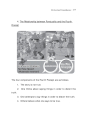
4. The Relationship between Punctuality and the Fourth Precept
The Fourth Precept:
No False Speech
(Musavada veramani)
The four components of the Fourth Precept are as follo
Quantum mechanics is a branch of physics that provides a comprehensive framework for understanding the behavior of matter and energy at atomic and subatomic levels. This field introduces concepts su…
96
Untitled
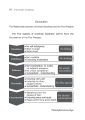
…ness
● Non-exploitative, no nudity
● no indecent exposure,
● No unfaire competition
● Sympathetic - Understanding
No sexual misconduct
Punctuality
● Knowing one's self
● Listening to other people's advice
● Symp…
No content provided for summary.