

The Tathāgata and the Cycle of Enlightenment : หน้า 215/263
The Buddha’s First Teaching : หน้า 215/263 Exploration of the Tathāgata's enlightenment and the cycles of existence as depicted in Buddhist teachings.
1 ครั้ง
สรุปเนื้อหา
In this text, the Buddha addresses monks, emphasizing that he has fully completed the three cycles of truth, which affirms his status as a fully self-enlightened Buddha. He claims that this enlightenment is permanent and indicates the cessation of rebirth, highlighting the importance of the teachings he shares. The text also references the moment the Buddha set in motion the Wheel of Dhamma at Isipatana, which signifies the beginning of his teachings on liberation and understanding of existence. It underscores the themes of liberation, understanding the nature of existence, and the role of the Buddha in guiding others towards enlightenment. The interactions and reactions of various beings to the Buddha's enlightenment are also mentioned, showcasing the far-reaching impact of his teachings in the cosmos. This profound insight into Buddhist philosophy showcases the essence of the Dharma and its relevance to practitioners on the path to enlightenment. dmc.tv
หัวข้อประเด็น
-Tathāgata's enlightenment
-the cycles of existence
-Buddhist teachings
-importance of liberation
-setting the Wheel of Dhamma
-reactions of celestial beings
ข้อความต้นฉบับในหน้า
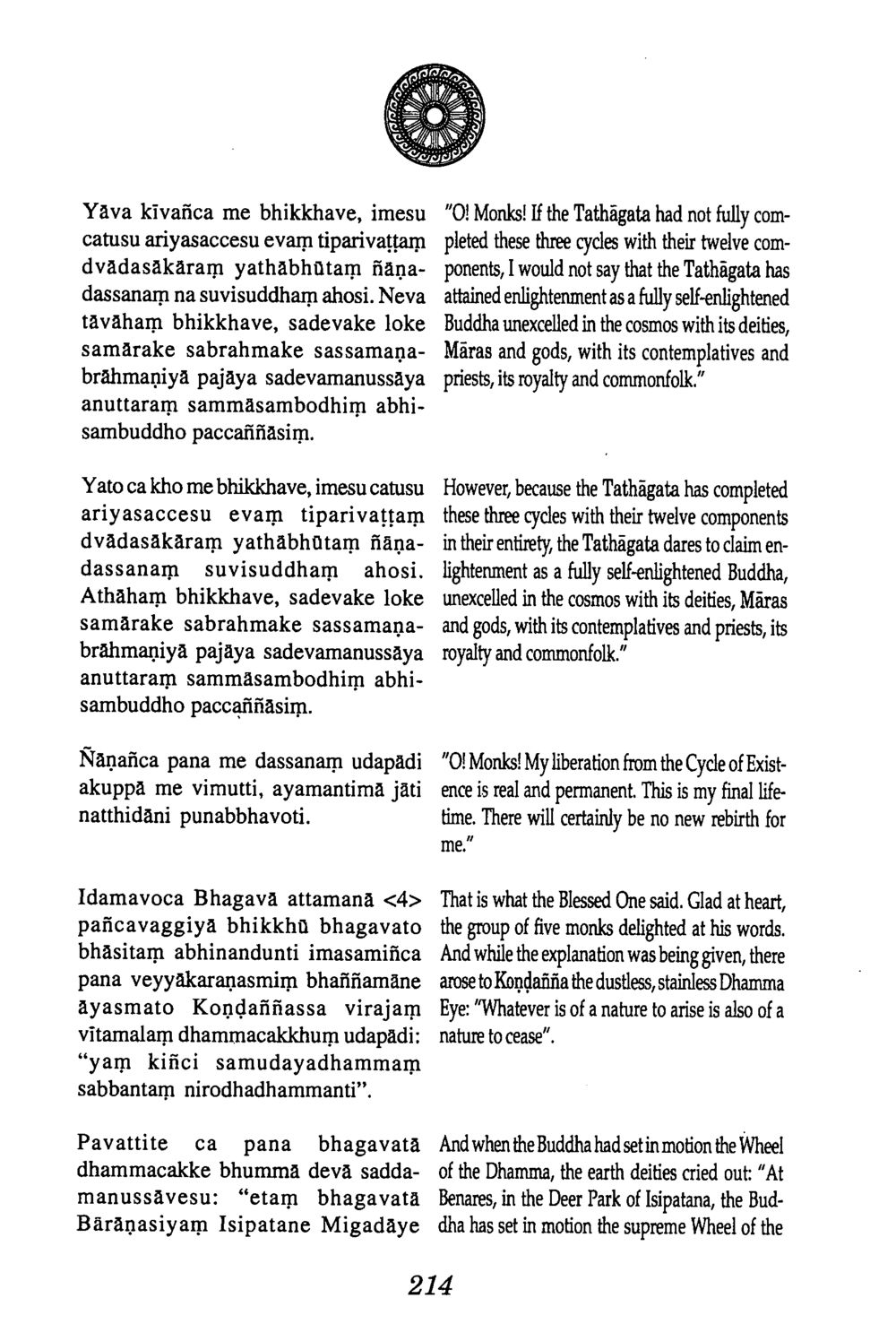
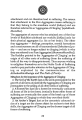
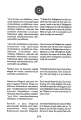
Yāva kivāñca me bhikkhave, imesu "O! Monks! If the Tathāgata had not fully com-
catusu ariyassaccevaṁ tiparivattaṁ completed these three cycles with their twelve com-
dvaḍasākāraṁ yathābhuṭṭaṁ nāna- ponents, I would not say that the Tathāgata has
dassanam na suvisuddhaṁ ahosi. Neva attained enlightenment as a fully self-enlightened
tāvaṁ bhikkhave, sadevake loke Buddha unexcell in the cosmos with its deities,
samarake sabrahmakae sāssamā- Māras and gods, with its contemplatives and
brahmāṇiya pajaya sadevanamussyā priests, its royalty and commonfolk.”
anuttaraṁ sammasambodhiṁ abhi-
sambuddho paccāṇiṁsaṁ.
Yato ca kho me bhikkhave, imesu catusu
ariyasaccevaṁ tiparivattaṁ However, because the Tathāgata has completed
dvaḍasākāraṁ yathābhuṭṭaṁ nān- these three cycles with their twelve components
dassanam suvisuddhaṁ ahosi. Athaṁ Bhikkhave, sadevake loke in their entirety, the Tathāgata dares to claim en-
samarake sabrahmakae sassamana- lightenment as a fully self-enlightened Buddha,
brahmāṇiya pajaya sadevanamussyā unexcell in the cosmos with its deities, Māras
anuttaraṁ sammasambodhiṁ abhi- and gods, with its contemplatives and priests, its
sambuddho paccāṇiṁsaṁ. royalty and commonfolk.”
Nānaṁca pana me dassanam udapādi
"O! Monks! My liberation from the Cycle of Exist-
akkutṭa me vimutti, ayamantā jātī ence is real and permanent. This is my final life-
natthidāni punabbhavoṭi. time. There will certainly be no new rebirth for
me."
Idamavoca Bhagavā.attamanā <4>
pañcavaggiya bhikkhu bhagavato bhāsitam abhinandunti imasamiṅca
pana veyyakaraṁsmiṁ bhāṇṇāme ayasmato Koṇḍhāṁnassa virajaṁ
vitamalaṁ dhammacakkuṁ udapādi:
"yaṁ kiñci samudayadhammam sabbantaṁ nirodhadhammanti".
Pavattit ce pana bhagavāṁtā dhammacakke bhummā deva sadda-
mannassa yE: “etam bhagavāṭa Bāraṇasiām Isipatane Migadāye
And when the Buddha had set in motion the Wheel of the Dhamma, the earth deities cried out: “At
Benares, in the Deer Park of Isipatana, the Buddha has set in motion the supreme Wheel of the
214
หน้าหนังสือทั้งหมด
1
2
3
4
5
6
7
8
9
10
11
12
13
14
15
16
17
18
19
20
21
22
23
24
25
26
27
28
29
30
31
32
33
34
35
36
37
38
39
40
41
42
43
44
45
46
47
48
49
50
51
52
53
54
55
56
57
58
59
60
61
62
63
64
65
66
67
68
69
70
71
72
73
74
75
76
77
78
79
80
81
82
83
84
85
86
87
88
89
90
91
92
93
94
95
96
97
98
99
100
101
102
103
104
105
106
107
108
109
110
111
112
113
114
115
116
117
118
119
120
121
122
123
124
125
126
127
128
129
130
131
132
133
134
135
136
137
138
139
140
141
142
143
144
145
146
147
148
149
150
151
152
153
154
155
156
157
158
159
160
161
162
163
164
165
166
167
168
169
170
171
172
173
174
175
176
177
178
179
180
181
182
183
184
185
186
187
188
189
190
191
192
193
194
195
196
197
198
199
200
201
202
203
204
205
206
207
208
209
210
211
212
213
214
215
216
217
218
219
220
221
222
223
224
225
226
227
228
229
230
231
232
233
234
235
236
237
238
239
240
241
242
243
244
245
246
247
248
249
250
251
252
253
254
255
256
257
258
259
260
261
262
263
หนังสือที่เกี่ยวข้อง
Load More