

mother-in-law : ค้นหาหนังสือธรรมะ หน้า 9 / 22
หน้าหนังสือทั้งหมด
188
Glossary of Buddhist Terms
Part Seven: Appendixes
Kamma (Sanskrit: Karma): neutral word meaning action
with intention; action
Khanti: endurance
Kilesa (also spelled Gilesa): the impure element to our
mind; i. e. passion, lust,
This glossary provides definitions for essential Buddhist vocabulary, including terms like Kamma, which refers to actions with intention, and Nibbana, the ultimate state of understanding. It discusses
148
DMC Channel: A Global Positive Media Platform
DMC Channel
The positive televised media, which has been initiated by Luang Phaw Dhammajayo under the name DMC (Dhammakaya Media Channel), has brought benefits to many diverse audiences.
At the mom
DMC Channel, initiated by Luang Phaw Dhammajayo, broadcasts 24/7 globally, providing diverse programs beneficial to audiences of all ages. With translations in multiple languages, DMC serves as a worl
22
Essential Factors for a Successful Marriage
clash with each other, or for them not to clash with their in-laws. No matter what, there is always a chance that this can happen.
The major concern is that, if the couple didn’t learn how to regulat
This text explores the importance of emotional regulation in marriages, emphasizing training before marriage to manage disagreements effectively. Couples prepared with self-reliance, the ability to ch
65
The Role of Parents in a Buddhist Family
them the Jataka (stories of the past lives of the Lord Buddha),
making sure they do their chanting before bed, and teaching
them how to offer Dana (generosity) through methods such as
offering alms to
This text highlights the vital roles of parents in nurturing children within a Buddhist framework, emphasizing the importance of teachings like the Jataka stories, chanting, and the act of Dana. Paren
126
The Stages of Good Deeds and Their Rewards
banana blossoms to eat with condiments. And yet we still have to wait a full year for the fruit.
"The first stage of good deeds: Once we have done something good, no matter if anybody sees it or not,
This text draws an analogy between the stages of good deeds and the growth of banana plants, highlighting four key stages: self-satisfaction, development of character, realization of fortune, and soci
130
The Patience of Growing Good Deeds
After three or four months, although there is still no banana to consume, there will be banana leaves that we can use for wrapping. After eight or nine months, there is yet no banana to eat, but there
This text uses the metaphor of growing banana plants to illustrate that good deeds require time and favorable conditions to yield positive outcomes. Just as banana plants take a year to bear fruit, go
182
Characteristics of a True Buddhist
are like any of them and if we have performed our duties as true Buddhists yet or not.
A true Buddhist must exhibit the following characteristics:
1) Belief in the Lord Buddha’s Enlightenment. It is
This text outlines the defining characteristics of a true Buddhist, emphasizing belief in the Lord Buddha's Enlightenment, adherence to the 5 precepts, understanding the Law of Kamma, and maintaining
46
About the Authors of Carnegie Endowment Publications
About the Authors
MARINA OTTAWAY is a senior associate in the Democracy and Rule of Law Program and director of the Carnegie Middle East Program. Her most recent book, Beyond the Façade: Political Re
This section highlights the contributions of key authors associated with the Carnegie Endowment for International Peace. Marina Ottaway, a senior associate, leads the Democracy and Rule of Law Program
38
Ethics and Civic Training Programs in Thailand
- Providing training programs for ethics and civic duties to teachers, students, government employees, men and women throughout Thailand. Millions participate in these programs every year.
- Launching
โปรแกรมการฝึกอบรมจริยธรรมและหน้าที่พลเมืองในประเทศไทยมีผู้เข้าร่วมหลายล้านคนทุกปี โดยมีความสำคัญในการสร้างความตระหนักรู้เกี่ยวกับจริยธรรมและกฎหมาย รวมถึงโปรแกรม "Inner Dream Kindergarten" ที่สอนธรรมแล
159
Glossary of Buddhist Terms
GLOSSARY 155
Dhamma (Skt. Dharma): the truth; the natural condition of things or beings; the law of their existence; the ethical code of righteousness; the whole body of religious doctrines as a sys
This glossary outlines significant Buddhist terms. Dhamma refers to truth and the natural law of existence as taught by the Buddha. Dhammacakkappavattana Sutta is recognized as the Buddha's first teac
13
The Cycle of Life and Kamma
lifetime without being able to do anything to promote their life's quality. This is quite difficult to understand so just be aware that animal is another form of punishment a human can be born into ba
This text examines the profound relationship between Kamma and human existence, illustrating how individuals might find themselves in cycles of rebirth based on their actions. It delves into how our b
27
Teaching Respect, Patience, and Discipline in Education
TEACHING THE HABITS OF RESPECT, PATIENCE AND DISCIPLINE
The components that are required to teach efficiently and develop respect,
patience and discipline in students are a peaceful and calm atmospher
การสอนความเคารพ ความอดทน และวินัยในนักเรียนต้องอาศัยบรรยากาศที่สงบและเหมาะสม รวมถึงครูที่เข้าใจเด็กและสนับสนุนการเรียนรู้ แต่หากนักเรียนไม่ได้รับการเตรียมตัวในวัยเด็กก็จะเป็นอุปสรรคต่อการเรียนรู้ที่ดี
57
Understanding Key Buddhist Concepts
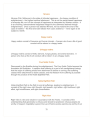
စัทธ Sambhā
achievement of faith
สัณฐานหรือรูปทรงของมโนติ shape of mental object
สัตว์ทั้งหลายมีกรรมเป็นของตน all beings have kamma of their own
สันสกฤต Sanskrit, another ancient language used in I
This text provides important insights into various Buddhist concepts including the achievement of faith (စัทธ Sambhā), the nature of mental objects, the principle that all beings possess their own kar
72
Understanding Nirvana and the Path to Enlightenment
Nirvana
Nirvana (Pali, Nibbanna) is the state of ultimate happiness -- the happy condition of enlightenment -- the highest spiritual attainment. This is not the sense-based happiness of everyday life;
Nirvana, or Nibbanna, represents the ultimate state of happiness in Buddhism, transcending the sense-based joys of daily life. Attaining Nirvana marks the end of the rebirth cycle, granting liberation
74
The Power of Generosity and the Languages of Buddhism
The practice of generosity is the easiest one to perform, and the fruits of merit are the
quickest to materialize. The merit result from the practice of generosity is riches and
wealth to the one wh
The practice of generosity is vital in Buddhism, revealing that giving attracts wealth while selfishness repels it, backed by the Law of Karma. Pali and Sanskrit are essential Buddhist languages, with
86
The Five Precepts of Buddhism
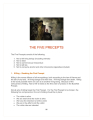
THE FIVE PRECEPTS
The Five Precepts consist of the following:
1. Not to kill living beings (including animals)
2. Not to steal
3. Not to commit sexual misconduct
4. Not to tell lies
5. Not to consume
The Five Precepts in Buddhism outline ethical guidelines for practitioners, emphasizing respect for life among other moral behaviors. The First Precept, which prohibits killing, is noted as the graves
94
Understanding Merit and Demerit: The Law of Karma
The opposite of merit is demerit, or ‘sin’. Demerit is the product of bad deeds. Bad deeds cause ‘bad karma’. Demerit is a negative energy that is created when a bad deed is performed: mentally, bodil
The opposite of merit is demerit, representing the consequences of bad deeds which cause negative karma. Both good and bad deeds are governed by the Law of Karma, where actions determine outcomes in t
66
The Buddha's Encounter with the Hunter
One day, the Buddha surveyed the world early in the morning with his supernormal power and found that the hunter, his seven sons and their wives were due for attainment of Sotapatti Fruition. So, the
In this tale, the Buddha uses his supernormal powers to guide a hunter and his family towards enlightenment. When the hunter mistakenly believes the Buddha has freed an animal from his trap, he become
68
The Transformation of a Hunter's Heart
When her husband heard her words, he thought, 'This must be my
father-in-law', and her sons thought, 'This must be our grandfather'; and
thoughts of loving-kindness came into them. Then the lady said
This narrative explores how the Buddha's teachings transformed the thoughts of a hunter and his family. When the hunter's wife urged compassion, thoughts of loving-kindness emerged in the minds of the
62
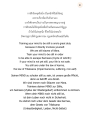
การฝึกใจหยุดนิ่งเพื่อความสงบ
การฝึกใจหยุดนิ่ง เป็นหน้าที่ยิ่งใหญ่
เพราะเกี่ยวข้องกับตัวเราเอง
เราจงต้องตระหนักเป็นข่าวเป็นทางของพุทธอาจอยู่
การฝันใจหยุดนิ่งเพื่อข้ามพ้นทะเลแห่งสัฏฐุ
ถ้าใจยังไม่หยุดนิ่ง ชีวิตยังไม่ปลอดภัย
ยังตกอยู
การฝึกใจหยุดนิ่งเป็นหน้าที่ที่สำคัญซึ่งเกี่ยวข้องกับตัวเราเอง เราต้องตระหนักว่าการหยุดนิ่งในใจช่วยให้เราข้ามพ้นจากทะเลแห่งสัฏฐุ หากใจยังไม่หยุดนิ่ง ชีวิตของเราก็ยังไม่ปลอดภัย เรายังอยู่ภายใต้กฎหมายแห่