

self-understanding : ค้นหาหนังสือธรรมะ หน้า 14 / 73
หน้าหนังสือทั้งหมด
60
The Benefits of Chanting
The Benefits of Chanting
1. Clarity of mind and mental focus while chanting
2. Promotion of a spirit of unity among those chanting
3. Helping to preserve tradition and to promote community spirit
4. H
Chanting offers numerous benefits including enhancing mental clarity and focus, fostering unity, and preserving the teachings of Lord Buddha. It can improve self-confidence and even aid in speech issu
63
The Importance of Reflection in Buddhist Practice
3. You must be reflective. Once you have finished consuming your meal, and have energy, you must ask yourself whether you have used the strength gained from your meal to focus on learning the Dhamma.
การสะท้อนความคิดช่วยให้เราเป็นคนที่ใส่ใจและขยัน ด้วยการฝึกสะท้อนตนเอง เราจะมีสติและตระหนักรู้ถึงการกระทำของเรา ซึ่งนำไปสู่ความชัดเจนในความคิดและความสามารถในการตัดสินใจที่ดีขึ้น การสะท้อนหลังจากรับประท
74
Reflecting on Buddhism and Discipline
Does it mean that our religion is not as good as we think it is? After I had the opportunity to visit those foreign countries, I realized that it is not that Buddhism that is bad, but the people. Thai
This text explores the realization that the shortcomings in Buddhism are not due to the religion itself but rather the practices of its followers. The author reflects on experiences in foreign countri
76
The Importance of Responsibility in Monastic Life
this all could have been avoided if you have the inclination to fix problems when they occur, rather than procrastinating. How can we avoid all these problems? When you become a monk you should yourse
This text discusses the importance of addressing problems promptly and the responsibilities of a monk, which include various temple duties. By being aware of what needs to be done and acting on it, mo
7
The Impact of Upbringing on Character Development
One day in first grade, Luang Por brought his best friend to his house. His father asked him what his friend's family name was, and after his friend had left, forbade him to associate or play with tha
This narrative illustrates the importance of a good upbringing as exemplified by Luang Por’s life. His father’s strict but wise teachings shaped his character, guiding him in choosing friends and reso
13
The Cycle of Life and Kamma
lifetime without being able to do anything to promote their life's quality. This is quite difficult to understand so just be aware that animal is another form of punishment a human can be born into ba
This text examines the profound relationship between Kamma and human existence, illustrating how individuals might find themselves in cycles of rebirth based on their actions. It delves into how our b
14
Understanding Karma and Human Behavior
Introduction
of our actions having brought this suffering of disharmony into our lives and seek to address the causes that are creating and accumulating bad karma. And our accumulated karma designate
This text delves into the impact of our actions on accumulating karma and the subsequent effects on our lives and rebirth. It outlines the ten bodily conditions we face as we navigate life and the nec
8
The Role of Buddhism in Society
"Digested from speech of Pramạhā Boonthavy Vilaichakr Buddhism and Society
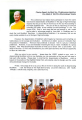
"Buddhism occurred 2500 years ago in India. Since then it has contributed a lot to the human civilization of both materialit
Buddhism, which originated 2500 years ago in India, has profoundly influenced human civilization both materially and spiritually. Its teachings guide individuals to avoid wrongdoing, purify minds, pro
29
Closing Speech by Most Ven. Phrabhavanaviriyakhun
Closing Speech by Most Ven. Phrabhavanaviriyakhun
Vice Abbot of Wat Phra Dhammakaya Temple
This conference has helped every participant to have the same view that the dissemination of Buddhism in thi
ในการประชุมนี้ ทุกคนมีมุมมองเดียวกันว่า การเผยแผ่พระพุทธศาสนาในยุคเทคโนโลยีสูงนั้นต้องอาศัยชีวิตตามแนวทางของพระธรรม มีการเน้นการปรับปรุงตัวเองและแก้ไขพฤติกรรม ตามห้องทั้งห้าของชีวิต การทำเช่นนี้ทำให้เ
24
Empowering Yourself: The Journey to Self-Reliance
3. SAVE YOURSELF FIRST
We are like a small, helpless baby bird vulnerable to dangers. Save yourself from danger before thinking and worrying about saving others.
After I left home, I never looked back
This text emphasizes the necessity of prioritizing oneself before assisting others, likening individuals to vulnerable creatures that must first ensure their own safety. It recounts personal experienc
25
Teaching Yourself Cleanliness and Discipline
6. TEACH YOURSELF
We must learn how to teach ourselves. I never had to be taught by anyone, yet I know how to do everything on my own. I didn’t know how to read or write, but I observed and I learned
This text illustrates the concept of self-teaching through the author's experiences with cleanliness. Growing up in Nakorn Chaisi, the author learned to clean meticulously without being taught by anyo
28
DhaKma: Your Path to Self-Reliance and Prosperity
DHAKMA IS YOUR REFUGE
I see all the way through. I see clearly that, out of everything in this world and beyond-physical, natural, and spiritual- no one can help me but me.
Who else can relieve my suf
In this text, the author emphasizes the importance of self-reliance and personal responsibility in alleviating suffering. By turning to Dharma as a refuge, one can navigate life’s challenges. The key
68
Understanding Mundane and Transcendental Merit
92. ACQUIRE BOTH MUNDANE
& TRANSCENDENTAL MERITS
Addressing someone who wanted only to meditate and not participate in any mundane chores:
I acquire all forms of merit, mundane and transcendental. Mun
The text discusses the balance between mundane and transcendental merits in personal growth and meditation practice. Mundane merit is achieved through good deeds which contribute to self-development,
81
Effective Ways to Make Resolutions
118. EFFECTIVE WAY
TO MAKE RESOLUTIONS
Luang Por Wat Paknam taught me that the most effective way to make fruitful resolutions was to make them while focusing between their blessings. When they begin
Luang Por Wat Paknam emphasizes making resolutions with a focus between blessings during the blessing chant 'Yadtha'. Visualizing a clear Buddha image aids the resolution process, ensuring they resona
90
Endurance and Self-Improvement
136. ENDURE
Have fortitude and tolerance. Do not create any more bad karma for yourself, or you will keep running into hardships.
137. IMPROVE
We have sacrificed many things in order to pursue Perfec
This passage emphasizes the enduring qualities of fortitude and tolerance to avoid bad karma and hardships. It encourages continual self-improvement, urging readers to examine their flaws and make nec
98
The Importance of Humility and Self-Control
153. DON’T LOSE SELF-CONTROL
Keen arrogance out of your heart, even if you think you know better than others. Be humble and patient.
Your teachers and elders have only good intentions for you. Remembe
This text emphasizes the significance of maintaining humility and self-control in personal development and working with others. It warns against arrogance and promotes a patient, ego-less attitude to
64
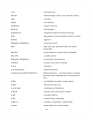
ศัพท์และคำจำกัดความในพระพุทธศาสนา
อเวจี the lowest hell
อสงไขย eternal length of time; eons; eternity; infinity
อสูักะ a corpse
อิงสงสาร non-violence
อิโหสิกรรม forgiven Kamma
อัครสาวก chief disciple
อังคุตตรนาคาย (Anguttaranikaya) Nu
เนื้อหาประกอบด้วยศัพท์และคำจำกัดความในพระพุทธศาสนา เช่น อเวจี (the lowest hell) หมายถึงนรกที่ต่ำที่สุด, อสงไขย (eternity) แสดงถึงระยะเวลายาวนาน, อัตตา (atta) ซึ่งหมายถึงตัวตนหรืออีโก้ของบุคคล นอกจากนี
92
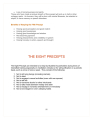
Understanding the Importance of the Fifth and Eight Precepts
- Loss of consciousness and sanity
Those who have made a serious breach of this precept will end up in hell or other unhappy realm. As humans, they will be born with mental illnesses, be retarded or
The text discusses the severe consequences of violating the Fifth Precept in Buddhism, leading to unhappiness and potential mental disorders in future lives. It emphasizes the benefits of adhering to
95
Understanding Merit and Its Impact on Life
someone who is angry or hateful. When we are happy and content with ourselves, we project a personality of self-confidence and social grace. For this reason, merit can indeed change our personality to
Merit is an integral part of our personality, bringing satisfaction and contentment while enhancing social grace and self-confidence. It cannot be transferred, as it belongs solely to the individual.
26
The Acrobat's Journey
In no long time the female acrobat, after living with her husband, gave
birth to a son. As she played with the boy, she would address him as
"son of a cart-driver" or "son of a fetcher-of-wood and dra
In a tale of pride and ambition, a female acrobat gives birth to a son while her husband tends to their carts. Despite his efforts, the acrobat remains indifferent, prompting him to learn acrobatics h