

um : ค้นหาหนังสือธรรมะ หน้า 24 / 3
หน้าหนังสือทั้งหมด
95
Understanding Merit and Its Impact on Life
…s not transferable. It cannot be taken or shared by others.
Merit acts like a wish-fulfilling instrument that turns our wishes into reality. Merit behaves like a magnet that attracts good things in lif…
… It cannot be transferred, as it belongs solely to the individual. By performing good deeds, one accumulates merit, which acts as a magnet attracting wealth, health, and happiness. Merit also provides p…
94
Understanding Merit and Demerit: The Law of Karma
…rder to fix his hunger or thirst.
***Merit Power***
Merit has a positive effect on the mind. The human mind is the most complex and sophisticated entity. The mind is a form of energy which controls an…
The opposite of merit is demerit, representing the consequences of bad deeds which cause negative karma. Both good and bad deeds are governed by the Law of Karma, where actions determine outcomes in t
93
Understanding Merit and Its Impact on Life
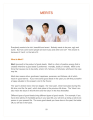
MERITS
Everybody wants to be rich, beautiful and smart. Nobody wants to be poor, ugly and dumb. But how come some people are born lucky and other are not? The answer is because of ‘merit’, or t…
…tions for a better future and reinforces the concept of karma. More good deeds result in better circumstances in this life and beyond. For further insights, visit dmc.tv.
92
Understanding the Importance of the Fifth and Eight Precepts
…hose who have made a serious breach of this precept will end up in hell or other unhappy realm. As humans, they will be born with mental illnesses, be retarded or stupid, or have memory or speech disord…
The text discusses the severe consequences of violating the Fifth Precept in Buddhism, leading to unhappiness and potential mental disorders in future lives. It emphasizes the benefits of adhering to
91
Benefits of Keeping the Fourth Precept and Risks of Breaking the Fifth Precept
…u will have credible speech
- You will not have speech impediment
- You will have nice lips
5. Consuming Alcohol and Other Intoxicating Substance – Breaking the Fifth Precept
Alcohol (beer, wine, whisk…
Keeping the Fourth Precept offers numerous benefits including a radiant complexion, credibility in speech, and overall physical health. C…
90
Consequences of Breaking the Precepts
… in the offender
being punished in hell, or to be reborn in an unhappy realm. Once he is reborn as
human he will be ugly, disabled or plagued with illnesses, especially illnesses that have
to do with s…
บทความนี้อธิบายถึงความสำคัญของการรักษาศีล ประโยชน์ และผลกระทบหากมีการฝ่าฝืนโดยเฉพาะศีลข้อที่สามและสี่ ความพยายามในการรักษาศีลนำมาซึ่งความรักและความเคารพจากผู้อื่น ขณะที่การฝ่าฝืนจะส่งผลให้มีศัตรู และบ
87
Killing and Karma: Understanding Consequences
…ad is your Karma?
Not all killings are ‘equal’ in the sense of karmic consequence. The killing of humans is the most serious violation and receives the worst retribution. As for the killing of animals,…
…ding the type and size of the animal, prior connections, and the intention behind the act. Killing humans carries the most severe retribution, while killing animals is assessed based on their size and u…
86
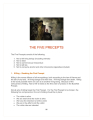
The Five Precepts of Buddhism
…uding animals)
2. Not to steal
3. Not to commit sexual misconduct
4. Not to tell lies
5. Not to consume alcohol and other intoxicants (cigarettes included)
1. Killing – Breaking the First Precept
Killi…
The Five Precepts in Buddhism outline ethical guidelines for practitioners, emphasizing respect for life among other moral behaviors. The First Precept, which prohibits killing, is noted as the graves
85
The Importance of Mental Cultivation Through Meditation
…tal Cultivation (bhavana) through meditation. Mind is the most important
composite of the entire human entity. The mind is the source of all actions, good or
bad. Good thoughts produce good actions …
Mental cultivation (bhavana) through meditation is essential for achieving inner peace and a clear mind. The mind is the source of all actions, and its state greatly influences one's life and deeds. G
84
The Core Principles of Buddhist Living
…ies. Giving is a first step to peace.
• Precepts (sila) - Precepts are codes of moral conduct. We humans are essentially moral beings. As a first practical step on the Buddhist path, we put our lives i…
This text outlines the essential duties and practices of Buddhist monks focusing on livelihood, moderation, and core principles of Buddhism. Monks dedicate themselves to studying Dhamma, meditating, a
83
Say No to Alcohol
Say No to Alcohol
The negative long-term effects of alcohol consumption are difficult to control and overcome. Not only is your own welfare at risk, but also the welf…
The long-term effects of alcohol are detrimental not only to the individual but also to their family. Alcohol leads to destruction of wealth, health issues, aggressive behavior, loss of friendships, a
82
Hiri-Ottapa: Understanding Shame and Fear of Wrongdoing
…hood
The following occupations are prohibited by the Buddha:
1. Dealing in weapons
2. Dealing in human beings
3. Dealing in flesh
4. Dealing in poisons
5. Dealing in alcohol (and other intoxicants)
A…
… integrity. The text also warns against five prohibited livelihoods, including dealing in weapons, human beings, and intoxicants, which jeopardize spiritual well-being and attract misfortune. For more, …
79
Understanding Suffering and the Noble Eightfold Path
…ot to say things that are hurtful.
4. Right Action - good conduct earned by not killing or harming humans and
animals, not stealing, not committing sexual misconducts, not taking
intoxicants.
5. Right L…
This text discusses the origin of suffering, which stems from attachment to desire and worldly pleasures. It highlights that suffering ceases when such attachments are released. The Noble Eightfold Pa
77
The Enlightenment of Siddhattha Gotama
… monasteries.
The Buddha died in the year 486 B.C. in Kushinagara, not far from his birthplace at Lumbini. Surrounded by his disciples, both monastics and laity, his last words to them summarized the h…
This text recounts the journey of Siddhattha Gotama, who realized that life is a cycle of birth, aging, sickness, and death, culminating in his enlightenment as the Buddha. At dawn, he perceived the u
76
The Journey of Siddhartha: From Suffering to Enlightenment
…for on the first three visits that Siddhatha made to the village he saw things that had a deeply traumatic effect on his over-protected consciousness. He was initiated into the reality of suffering in t…
This text traces the transformative journey of Prince Siddhartha in his quest for understanding suffering and achieving enlightenment. Over the course of several visits to the village, he encounters t
73
Understanding Dharma and Buddhist Practices
… beings (including animals), not stealing, not lying, not committing sexual misconduct, and not consuming intoxicating substances (drugs, alcohol, cigarettes).
Meditation
Meditation is a means of ment…
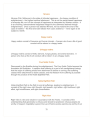
Dharma, meaning Truth and the way of Nature, is central to Buddhism. Buddhists are guided by three main practices: doing good, avoiding evil, and purifying the mind through meditation. They adhere to
72
Understanding Nirvana and the Path to Enlightenment
…istence -- never again to be subject to rebirth.
Happy realms
Happy realms consist of heavens and human domain. A person who lives a life of good conduct will be reborn in a happy realm.
Unhappy realm…
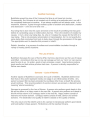
Nirvana, or Nibbanna, represents the ultimate state of happiness in Buddhism, transcending the sense-based joys of daily life. Attaining Nirvana marks the end of the rebirth cycle, granting liberation
71
Buddhist Cosmology and the Cycle of Rebirth
…this life will be reborn in an unhappy realm in the next life. Happy realms consist of heavens and human domain. Unhappy realms consist of hells, demon and animal domains. The destination and quality of…
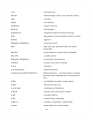
Buddhist cosmology views the universe as cyclical, with no creation or destruction at a single point in time. Beings are born into this cycle due to preceding causes (karma), leading to a process term
64
ศัพท์และคำจำกัดความในพระพุทธศาสนา
…สาร non-violence
อิโหสิกรรม forgiven Kamma
อัครสาวก chief disciple
อังคุตตรนาคาย (Anguttaranikaya) Numerical Sayings
อังสะ sleeveless or one-shouldered cloth of a monk
อันนทะ egg-born
อัตตัญญา เป็นผู้รู…
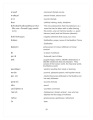
เนื้อหาประกอบด้วยศัพท์และคำจำกัดความในพระพุทธศาสนา เช่น อเวจี (the lowest hell) หมายถึงนรกที่ต่ำที่สุด, อสงไขย (eternity) แสดงถึงระยะเวลายาวนาน, อัตตา (atta) ซึ่งหมายถึงตัวตนหรืออีโก้ของบุคคล นอกจากนี
59
Understanding Buddhist Concepts: Kamma and Virtue
…appy realms; afterlife destinations or afterlife existences that are pleasant. They consist of the human world, the heavenly world, the Brahma world.
สุดยอดปัญญา wisdom resulting from study or learning
…
เนื้อหานี้มีการอธิบายแนวทางทางพระพุทธศาสนา รวมถึงคำสำคัญต่างๆ ที่ช่วยให้เข้าใจถึงกรรม, การศึกษา, และความสุขในชีวิตหน้า สิ่งที่จะติดตัวไปจริงๆ ของเราคือกรรม ซึ่งสามารถเป็นกรรมดีหรือกรรมชั่ว สิ่งที่ทำให