

1 : ค้นหาหนังสือธรรมะ หน้า 579 / 704
หน้าหนังสือทั้งหมด
46
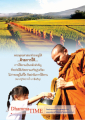
…ะอยู่ในที่ใด ก็อย่างสืบการให้ทาน (หลวงปู่ฟ้าวัดปากน้ำ ภาษีเจริญ)
Dhamma TIME ติดต่อสอบถามโทร. 02-831-1774 www.dmc.tv ให้คุณอยู่ในบุญตลอดเวลา
16
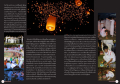
พิธีทำบุญในวันสำคัญ
วันที่ 28 พฤศจิกายน วันที่เวียนมาครบอีกครั้ง ผู้คนมาหยอกเย้าร้องก่อกวนอย่างร่าเริง ชวนให้ใจจะเต้นก็เสียดาย ควันไฟก็ยังคงลอยขึ้นไปให้สวรรค์ได้รู้กัน อยู่ตรงนี้ก็กลิ่นหอมกลิ่นแสนสุข คงเป็นความรู้สึกที่ด
…่เต็มไปด้วยความสุขและการทำบุญ ซึ่งผู้คนได้ร่วมกันสร้างความดีงาม ผ่านพิธีถวายผ้าพาหนะและจุดเทียนกว่า 100 ดวง เพื่อทำกุศลแก่ผู้อื่น วันสำคัญนี้ถือเป็นโอกาสสุดท้ายในการสร้างบารมีและความดีในชีวิต พร้อมรับค…

21
กิจกรรมและบรรยากาศในเดือนธันวาคมและมกราคม
…:**
- "Schedule" (ด้านบนซ้าย)
- "J A N U A R Y"
- "งบประมาณ"
- ตัวเลขวันที่ต่าง ๆ ของเดือนมกราคมจาก 1 ถึง 31 พร้อมกับหมายเหตุในแต่ละวันที่ด้านล่าง:
- "1 ม.ค. บูชาข้าวพระ, วันขึ้นปีใหม่"
- "2-27 ม.ค…
บทความนี้มีการพูดถึงบรรยากาศงานบุญใหญ่ในเดือนธันวาคมที่จัดโดย V-PEACE ที่พร้อมนำความสุขและบุญมาฝากทุกคน นอกจากนี้ยังมีตารางกิจกรรมสำคัญในเดือนมกราคมรวมถึงวันสำคัญต่าง ๆ เช่น บูชาข้าวพระ และวันเด็กแห่ง
22
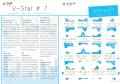
แรงใจของคุณสู่ความสุข
…นี้ผมอยากขอให้คุณจดใจว่าสิ่งที่คุณจะทำตามนี้ จะทำให้คุณได้เป็นมนุษย์ที่เต็มไปด้วยความสุขนะครับ
# 1
- นาย
- แก้คำถามจรัญ
- กองอัศจรรย์
- วันนี้เขาเตรียมว่าง 155 นาที
- เวลา 8 นาที ล่าสุด
…
เนื้อหานี้พูดถึงการสร้างแรงใจและการทำกิจกรรมเพื่อเพิ่มความสุขในชีวิต โดยมีตัวอย่างของบุคคลที่มีความพยายามและความตั้งใจในการพัฒนาตนเอง รวมถึงการเผชิญหน้ากับปัญหาและการเรียนรู้จากประสบการณ์เพื่อเดินหน้า
28
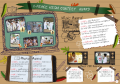
รางวัล V-PEACE MEDIA CONTEST
V-PEACE MEDIA CONTEST AWARD
Music Award
รางวัลที่ 1 : เพลง "เพราะใจพี่" โดย เมย์ เขียนคำร้อง/ทำนอง กองทุนสาธารณสุข
รางวัลที่ 2 : เพลง "ตามรอยหลวงพ่อ" โ…
รางวัล V-PEACE MEDIA CONTEST ได้แก่ รางวัลเพลงที่ 1 เพลง "เพราะใจพี่" โดยเมย์ และรางวัลเพลงสีส้มที่ 1 เพลง "แรคคิดา" โดยแนนดาว-พิมพ์อ้อม จากน่าน นอกจาก…

1
www.DMC.tv
ฉบับที่ 17 มกราคม 2556
Dhamma TIME
ต้อนรับพุทธศักราช 2556
...เติมบุญใหญ่ให้กับชีวิตด้วยการต้อนรับคณะพระธุดงค์…

2
ข่าวบุญและธรรมะออนไลน์
www.dmc.tv
Tel.02-831-1774
เกาะติดสถานการณ์ข่าวบุญ
หนังสืออยู่ในบุญ online mp3 นำ้ยังศานติ
ชมสด LIVE
dmc-tv
อ่านธรรม…
ติดตามสถานการณ์ข่าวบุญและธรรมะผ่านเว็บไซต์ dmc.tv โดยคุณจะสามารถเข้าถึงเนื้อหาที่เกี่ยวข้อง เช่น การอ่านธรรมะ, ฟัง mp3, และดูการถ่ายทอดสดรายการต่าง ๆ ที่ส่งเสริมการเจริญกรรมฐานและความดี รวมถึงการทบทวน
23
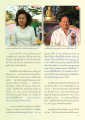
…ัยพุทธาม คณะธรรมศึกษา อ.สามโคก จ.ปทุมธานี ได้เล่าว่า "วันนี้ผม พานักเรียนมาทัศนศึกษารับพระดรุงจำนวน 140 คน"
29
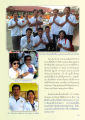
ทีมจอห์แดน ยิ้มสุดปลื้มที่ได้มาพบกับพระดงค์ในวันคล้ายวันเกิด
…แล้วได้มาโปรยหลากสาย 6 วัน นี้ตั้งใจมาโปรยดาวด้วยให้ครบ 27 วันเลย ดาวด้วยปลูกเองที่สิงคโปร์ ปลูกได้ 123 ต้นค่ะ พกมาเก็บไว้ดีเอนร้กันไปแล้วค่ะ เรื่อย เรื่อย แซ่บปีนี้ เห็นพระุดงค์แล้วรู้สึกว่าทำมั่นฟั้่…
ในวันคล้ายวันเกิด ทีมจอห์แดนจากสิงคโปร์มีความปลื้มใจที่จะได้พบพระดงค์ ต้น คิม วัน ได้จัดเตรียมดาวที่ปลูกมาเองเพื่อโปรยให้ครบ 27 วัน โดยมีความเชื่อว่าบารมีของหลวงปู่จะคุ้มครองทุกคนในการเดินทางด้วยความส
32
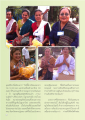
นางงามก๋าวลาง: การปลูกดาวรวงและพระธุดงค์
นางงามก๋าวลาง.ยังต้องหลบ
ชุดด้วย พี่สมบูบอก ว่า "วันนี้มีมาพร้อมดอกดาว
รวง 12,000 ดอก และชวนเพื่อนบ้านมาด้วย 100
คนค่ะ พี่แบบทพฤฒาข้างกายปลูกดาวรวงกันคนละ
2 ไร่ ปลูกอยู่ศูน…
เนื้อหาเล่าถึงการปลูกดาวรวงในพื้นที่ศูนย์ปรับิธรรมแก้ว และกิจกรรมการเตรียมการต้อนรับพระธุดงค์ที่วัดคลองขาว โดยมีการชวนชุมชนเข้าร่วมเพื่อร่วมโปรยและสนับสนุนการทำบุญ ทั้งยังมีการบรรยายถึงความสำคัญของดาว
28
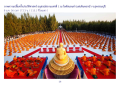
กิจกรรมทางศาสนาในโลดัสแลนด์
…ิจกรรมทางศาสนานี้ จัดขึ้น ณ โลดัสแลนด์ (แผ่นดินดอกบัว จ. สุพรรณบุรี) เมื่อวันที่ 8 มกราคม 2566 เวลา 17.13 น. (115.1 กิโลเมตร)
…ง สำหรับกิจกรรมนี้จัดขึ้น ณ โลดัสแลนด์ (แผ่นดินดอกบัว จ. สุพรรณบุรี) เมื่อวันที่ 8 มกราคม 2566 เวลา 17.13 น. งานนี้สะท้อนถึงความศรัทธาและร่วมแรงร่วมใจของชุมชนในด้านศาสนาและวัฒนธรรม
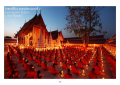
36
วัดสองพี่น้อง อนุสรณ์สถานแห่งที่ 2
9 ม.ค. 56 เวลา 18.28 น.
(116.5 กิโลเมตร)
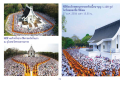
72
พิธีต้อนรับพฤทธบัตรกองพันเนื่องบูชา 1,128 รูป
ในวันฉลองชัย ชิงถเม
27 ม.ค. 2556 เวลา 15.55 น.
พิธีล้างเท้ารับประวัติศาสตร์ครั้งแรก
ณ อุโ…
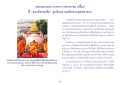
78
การบำบัดด้วยหลักพระพุทธศาสนา
…ักพระพุทธศาสนา
“ญาติโยมทั้งหลายอย่าลืมว่าคุณควรบูชาเทพพุทธเจริญ” การส่งเสริมสนับสนุนบำบัดพระองค์ที่ 1,128 รูป เมื่อเป็นมาสรและของเทียมทุกคนและได้ทราบว่ามันในท้องที่ๆมีเมามาน่าเท็นดึ่ง เป็นบันไดทอง เป็น…
บทความนี้สำรวจแนวคิดการบำบัดจิตใจตามหลักพระพุทธศาสนา โดยเน้นว่าความดี ความสงบ และการมีคุณธรรมเป็นกุญแจสำคัญที่จะนำไปสู่ความสำเร็จในชีวิต พร้อมทั้งแนะนำวิธีในการพัฒนาคุณธรรมเพื่อใกล้ชิดกับชีวิตที่มีควา
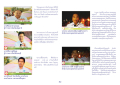
82
การรับรองจากพระครูศรีสุขในจังหวัดปทุมธานี
…มีโอกาสอีกครั้งพระพุทธศาสนาและโอกาสนี้พี่น้องเจ้าได้โลดที่”
“ปลาบปลื้มใจครับ ที่ทำเนียบพระครู ศรส. 1,128 รูป จำรํานในพื้นที่ของอำเภอ บางบัวทอง ว่าเป็นโชค วาสนา ในฐานะพระภิกษานักบวชนิ ถึงความอุดมสมบูรณ…
จังหวัดปทุมธานีได้รับเกียรติจากพระครูศรีสุข สำหรับการสร้างความปรองดองในชุมชน ผ่านหลักธรรมของพุทธศาสนา โดยมีผู้ว่าราชการและนายอำเภอร่วมสนับสนุนกิจกรรมนี้ ซึ่งเป็นการสร้างความสัมพันธ์ที่ดีในพื้นที่ พร้อ
14
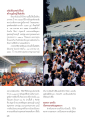
เสริมสิริมงคลรับปีใหม่
…าคม ปี พ.ศ. 2555 ที่มีการเดินดงุคธรรมัย
สถาปนาสิทธทางมหาปูชนียาจารย์ โดยคณะพระ-
ดงุคธรรมัยจำนวนถึง 1,127 รูป ตั้งแต่วันที่
2 - 25 มกราคม พ.ศ. 2555 ผ่านเขตพื้นที่ 6
จังหวัด ได้แก่ ปทุมธานี พระนครศรีอย…
…6 จังหวัดเป็นภาพความปลื้มใจของประชาชนในการสร้างบุญและสิริมงคล โดยคณะพระดงุคธรรมัยเดินทางเป็นระยะทาง 1,327 กิโลเมตร พร้อมโปรยกลีบดาวรอยเพื่อเสริมบุญให้กับตัวเองและประเทศ กิจกรรมนี้จัดขึ้นอีกครั้งในปีนี้…
49
…่วโลก
สนับสนุนการจัดพิมพ์วารสารอยู่ในบุญ เพื่อมอบเป็นธรรมทาน โดย
ห้างหุ้นส่วนจำกัด ที. แม่น ฟาร์ม่า 101/2 ซ. มรกต ถ.บางขุนเทียน แขวงแสมดำ เขตบางขุนเทียน กรุงเทพฯ 10150
โทร. 02-4151007, แฟกซ์. 02-416124…

51
การทานและภาวนาเพื่อความมั่งคั่ง
…มวี.
(หลวงพ่ออิ่มชมโย)
ทิพยารณอัลลังกา
อานิสงส์แห่งบุญจากการถาวผ้าไตร
บริษัท ป้าชัช จำกัด
99 หมู่ 1 ต.บางเลน จ.นครปฐม 10450
โทร: (662) 7044077-87, แฟกซ์ (662) 7040488
www.patouch.com / e-mail: suppor…
บทความนี้นำเสนอคำสอนจากหลวงพ่ออิ่มชมโย ที่ชี้ให้เห็นถึงความสำคัญของการทานและการภาวนาในการนำไปสู่ความมั่งคั่งทั้งในด้านวัตถุและคุณธรรม การทานถูกมองว่าเป็นกำเนิดแห่งทรัพย์สมบัติ ขณะเดียวกันการภาวนาถือเป

74
…ย ถ้าตายก็ไปดี"
โอวาทพระเทพญาณมุณี วิ. (หลวงพ่ออิ่มมหาโจ)
ที่อยู่ 500/2 KM RIVERSIDE พระราม 3 กม. 10120 โทร. 089-004-7766, 02-291-9595
WWW.THAIPLASTWOOD.COM

105
สร้างบารมีและเติมความดี
…y SMS Interactive
Smart Voice Service (Outbound)
Mobile Marketing/CRM Service
โดย นง. นิติ-อินโนว่า 111/84 ถนนคราวิวา แขวงจักกรีนทรมาย มนจ. 10900
โทร. 0-2938-3878, 08-9507-5515 www.net-innova.com email…
การสร้างบารมีเป็นสิ่งสำคัญจากแนวทางการดำเนินชีวิต โดยการเติมความดีและความบริสุทธิ์ให้กับตนเองทุกวัน เป็นการบริหารจิตใจที่ดี ซึ่งจะนำไปสู่ความสุขและการค้นพบพระนพพาน หรือการพัฒนาตนที่แท้จริง ทุกคนควรมีโ