

F.N. : ค้นหาหนังสือธรรมะ หน้า 273 / 300
หน้าหนังสือทั้งหมด
206
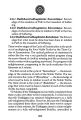
Knowledge of the Path to Cessation of Suffering
3.8.1 Dukkhanirodhagāminī Saccāṇa: Knowledge of the existence of Path to the Cessation of Suffering.
3.8.2 Dukkhanirodhagāminī Kiccaṇāṇa: Knowledge of what must be done in relation to Path to the Ces
This text discusses the twelve stages of the Cycle of Examination derived from the Four Noble Truths and their relation to enlightenment. It elaborates on the three circuits: knowledge of existence, k
207
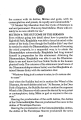
The Liberation and Enlightenment of Koññña
the cosmos with its deities, Mārās and gods, with its contemplatives and priests, its royalty and commonfolk."
"O! Monks! My liberation from the Cycle of Existence is real and permanent. This is my fi
This text discusses Koññña's journey towards enlightenment through focusing his mind and understanding the Four Noble Truths. His liberation from the Cycle of Existence is emphasized, marking the sign
208
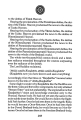
The Proclamation of Deities in Buddhist Cosmology
to the deities of Yāma Heaven.
Hearing the proclamation of the Tavātma deities, the deities of the Yāma Heaven proclaimed the news to the deities of Tusita Heaven.
Hearing the proclamation of the Yāma
In Buddhist cosmology, the deities of Yāma Heaven relay a proclamation to Tusita, Nimānārati, and Paranimitavasavatī Heavens, causing a cosmic event. This gains the attention of the Lord Buddha, refer
209
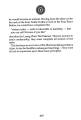
Understanding Arahantship in Buddhism
he would become an arahund. Having done the three cycles for each of the Four Noble Truths in each of the Four Inner Bodies, he would have completed the:
"sixteen tasks — until invulnerable to hardshi
This text outlines the journey towards achieving Arahantship as prescribed in the Buddhist tradition, focusing on the importance of completing the sixteen tasks linked to the Four Noble Truths and the
212
The Noble Truths of Suffering and Cessation
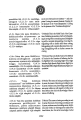
πεonæbhabikä <3.2.1.2> nandīrāga- one to one's here-and-now existence — and compries Craving for sensual pleasure; Craving for
sahagata <3.2.1.3> tatra taträ- the pleasure of the "form-absorptions"; C
This text discusses the Noble Truth of suffering (dukkha) and its cessation, emphasizing the importance of extinguishing craving to achieve liberation. It presents the Eightfold Path as the method to
215
The Tathāgata and the Cycle of Enlightenment
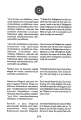
Yāva kivāñca me bhikkhave, imesu "O! Monks! If the Tathāgata had not fully com-
catusu ariyassaccevaṁ tiparivattaṁ completed these three cycles with their twelve com-
dvaḍasākāraṁ yathābhuṭṭaṁ nān
In this text, the Buddha addresses monks, emphasizing that he has fully completed the three cycles of truth, which affirms his status as a fully self-enlightened Buddha. He claims that this enlightenm
218
General Index of Meditation and Mindfulness Concepts
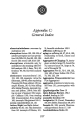
Appendix C:
General Index
absent-mindedness: overcome by meditation 124
absorption: factors 123, 129-132; of neither-perception-nor-non-perception 193; fifth 131; first 85, 123, 129; fourth 129; sec
This general index compiles significant terms and concepts related to meditation and mindfulness practices. It includes terms like absent-mindedness, absorption, and aggregates of clinging, helpful fo
219
Understanding Suffering and Enlightenment in Buddhism
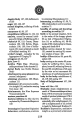
Angelic Body 107, 122; defilements by attaining Dhammakaya 111 of 135
bemoaning, as suffering 47, 58, 71,
anger 135, 136, 137 199; relationship to sorrow and lam-
animal kingdom, suffering of birth en
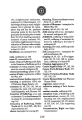
This text delves into key Buddhist teachings regarding suffering, attachment, and the process of attaining enlightenment. It analyzes various forms of suffering, including the suffering associated wit
220
Exploring the Path to Enlightenment in Buddhism
101; enlightenment mechanism, chanting, Dhammacakkapavattana explained by Dhammakaya 111; Sutta 10-11, 209-16 knowledge arising to reach enlightenment 140-1; practice 94, metaphors: dog and lion 94; g
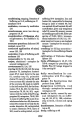
This text delves into various aspects of Buddhism, focusing on the mechanisms of enlightenment through chanting and the Dhammacakkapavattana Sutta. The practices necessary for attaining enlightenment
221
Understanding Suffering and the Cycle of Existence
conditioning, stopping, Cessation of suffering 93-4 {metaphor, lion and
Suffering as 51-2; suffering as 47 hunter 94); responsible for keeping
conduct 145-6 being in cycle of rebirth 80; retin-
confu
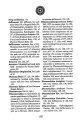
This text delves into the nature of suffering, including its definitions and categorizations. It discusses the Cycle of Existence and how attachment leads to rebirth. The text highlights the importanc
222
Understanding Dhammakāya and Defilements in Meditation
deep meditation 114
defilement 122: different, for each
inner body 135; of Angelic Body 135;
of Dhammakāya Anāgāmi 137; of
Dhammakāya Gotrabhu 136; of
Dhammakāya Sakidāgāmi 136,
137; of Dhammakāya Sot
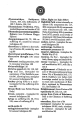
The text provides an in-depth examination of the Dhammakāya concept, explaining various levels such as Dhammakāya Anāgāmi, Gotrabhu, and Sakidāgāmi. It discusses the nature of defilements and how arah
223
Exploring Dhammakāya and the Eightfold Path
Dhammakāya, Sotāpana: Effort, Right (see Right Effort)
Coarse, 108, 134; defilements of
Eightfold Path: arises internally as 136-7; Subtle, 108, 134
sphere 105; components 20, 117,
Dhammakāya Traditi
This text delves into the Dhammakāya tradition, highlighting key components of the Eightfold Path and its teachings on defilements, enlightenment, and the nature of suffering. Concepts are illustrated
224
Insights on Suffering and Enlightenment
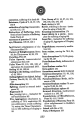
execution, suffering of at death 68
Existence, Cycle of 9, 16, 37, 178, 185-6
extinction of craving, transcendental 100, 115, 175
Extinction of Suffering, Noble Truth of(see Cessation of Suffering, No
This text delves into pivotal Buddhist doctrines centered around suffering and enlightenment. It discusses the cycle of existence and the importance of overcoming craving. With references to meditativ
225
Metaphors and Teachings on Suffering and Generosity
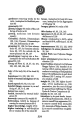
gardener removing weeds by the house-[metaphor for body 65]: inscure, [metaphor for Buddha's practice 95]
generosity 132
ghosts, hungry 34: realm of the, suffering of birth in 63
gossip, malicious (se
This text delves into various Buddhist concepts, including the metaphor of a gardener removing weeds representing the body, and insights into craving, suffering, and the consequences of sensual indulg
226
Understanding Key Buddhist Concepts
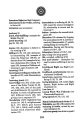
Inention, Right (see Right Intention)
internment in the womb, suffering
irritation (see annoyance)
jealousy 50
jewel, wish-fulfilling - metaphor for Middle Way 39
jewel-knowing 110
joy 38, 123, 130
ka
This text delves into central Buddhist themes such as the nature of suffering, the importance of right intention, and the concept of liberation. Key metaphors like the jewel of knowledge and the lion
227
Understanding Meditation and the Middle Way in Buddhism
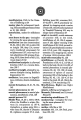
manifestation, Path to the Cessation of Suffering as 54
master plan for subsequent teaching, Dhammacakkapavattana Sutta as 10, 186, 189-90
materialism, makes for selfishness 81
meat burnt to the pan -
เนื้อหานี้สำรวจการทำสมาธิและแนวทางสายกลางที่เป็นส่วนสำคัญในคำสอนของพระพุทธเจ้า โดยอธิบายถึงความสำคัญของการตั้งมั่นเป็นสติในปัจจุบัน และการทำความเข้าใจรูปแบบของความรู้สึกและปรากฏการณ์ในจิตใจ การทำสมาธิ
228
Understanding Nibbāna and the Noble Truths
natal wind 61
neighbourhood concentration 43,
neither-perception-nor-non-perception, absorption of 193
nibbāna, anupadisesa 21, 112, 114;
ayatana 21, 102, 112, 114; sa
upādisesa 21, 112, 113-4
Nirvana
This text delves into key concepts in Buddhist philosophy, particularly Nibbāna and the Noble Truths. It discusses the interrelation of teachings, the significance of practicing the Middle Way to atta
229
Exploring Key Buddhist Concepts and Practices
Phramonkothpumuni: emphasises practice 12; explains "dhammikāya" and "āyatannibbāna" 102; founder of Dhammakāya Tradition 102; respected commentarian 102-3; sixteen tasks of 207 physical deeds, wholes
This text delves into various aspects of Buddhist philosophy, focusing on the teachings and practices associated with the Dhammakāya Tradition founded by Phra Mongkothpumuni. It highlights the signifi
231
Exploring Self-Mortification and Sensual Indulgence
self-mortification 19, 27, 35-7, 103, causes lamentation 32; causes one
105, 194-5: dominates contemporainary spiritual thought 194-5; examples of practice 35; fruitless 19; {metaphors, grasshopper le
This text discusses the concepts of self-mortification and sensual indulgence. It elaborates on the causes and consequences of self-mortification, which often leads to lamentation and spiritual harm.
232
Exploration of Metaphors in Buddhist Philosophy
snake, poisonous, mistaken for rope spire, a palace - {metaphor for Mid-
- {metaphor for self-mortification dle Way 38-9} 36}
spouses, categories of 154-6
snake - {metaphor for craving 88}
sprite, ear
This text explores several metaphors used in Buddhist philosophy, including the snake as a metaphor for craving and its relationship to the concept of suffering. It further elaborates on the significa