

Exploring Dhammakāya and the Eightfold Path : หน้า 223/263
The Buddha’s First Teaching : หน้า 223/263 A comprehensive overview of Dhammakāya teachings, the Eightfold Path, and Buddhist concepts surrounding enlightenment and suffering.
5 ครั้ง
สรุปเนื้อหา
This text delves into the Dhammakāya tradition, highlighting key components of the Eightfold Path and its teachings on defilements, enlightenment, and the nature of suffering. Concepts are illustrated through metaphors such as the emperor and the donkey giving birth to a mule, emphasizing the journey to awakening. It covers the important aspects of mindfulness, causing suffering through sensual indulgence, and the transformative journey towards liberation from the Cycle of Existence. The interrelation of karma, the significance of the Buddha’s teachings, and the analysis of different levels of attainment within the practice are also discussed. By exploring conventional understandings of suffering and reincarnation, practitioners can gain insight into the path of righteousness that leads to enlightenment according to the Dhammakāya tradition.
หัวข้อประเด็น
- Dhammakāya Tradition
- Eightfold Path
- Concepts of Suffering
- Enlightenment
- Mindfulness and Discretion
- Metaphors in Buddhism
- Practical Applications of Dhammakāya Teachings
ข้อความต้นฉบับในหน้า
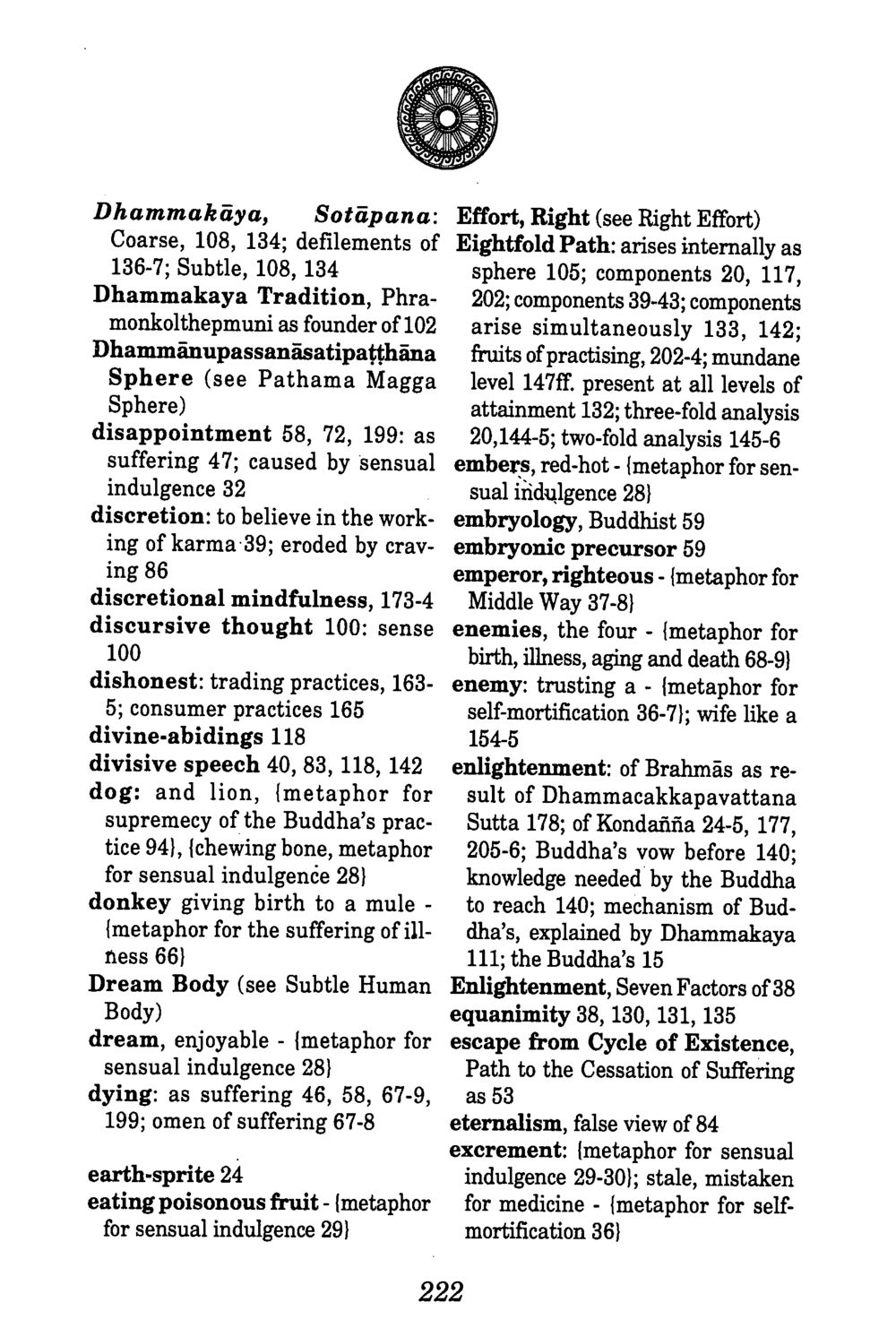
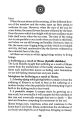
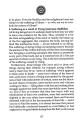
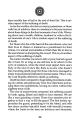
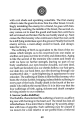
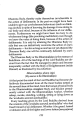
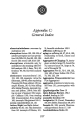
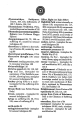
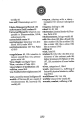
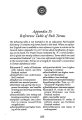
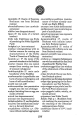
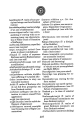
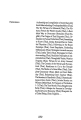
Dhammakāya, Sotāpana: Effort, Right (see Right Effort)
Coarse, 108, 134; defilements of
Eightfold Path: arises internally as 136-7; Subtle, 108, 134
sphere 105; components 20, 117,
Dhammakāya Tradition, Phra- 202; components 39-43; components
monkolthepmuni as founder of 102 arise simultaneously 133, 142;
Dhammañupassanāsatipatṭhàna fruits of practising, 202-4; mundane
Sphere (see Pathama Magga level 147ff. present at all levels of
Sphere) attainment 132; three-fold analysis
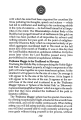
disappointment 58, 72, 199: as 20,144-5; two-fold analysis 145-6
suffering 47; caused by sensual embers, red-hot- {metaphor for sen-
indulgence 32 sual indulgence 28]
discretion: to believe in the work- embryology, Buddhist 59
ing of karma 39; eroded by crav- embryonic precursor 59
ing 86 emperor, righteous - {metaphor for
discretional mindfulness, 173-4 Middle Way 37-8]
discursive thought 100: sense enemies, the four - {metaphor for
100 birth, illness, aging and death 68-9]
dishonest: trading practices, 163- enemy: trusting a - {metaphor for
5; consumer practices 165 self-mortification 36-7; wife like a 154-5
divine-abilities 118 enlightenment: of Brahmās as re-
dog: and lion, {metaphor for sult of Dhammacakavatana
supremacy of the Buddha’s prac- Sutta 178; of Kondaṅña 24-5, 177,
tice 94], {chewing bone, metaphor 205-6; Buddha’s vow before 140;
for sensual indulgence 28] knowledge needed by the Buddha
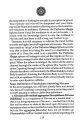
donkey giving birth to a mule - to reach 140; mechanism of Bud-
{metaphor for the suffering of ill- dha’s, explained by Dhammakāya
ness 66] 111; the Buddha’s 15
Dream Body (see Subtle Human Enlightenment, Seven Factors of 38
Body) equanimity 38, 130, 131, 135
dream, enjoyable - {metaphor for escape from Cycle of Existence,
sensual indulgence 28] Path to the Cessation of Suffering
dying: as suffering 46, 58, 67-9, as 53
199; omen of suffering 67-8 eternalism, false view of 84
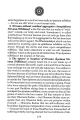
excrement: {metaphor for sensual excrement: {metaphor for sensual
indulgence 29] indulgence 29-30]; stale, mistaken
earth-sprite 24 for medicine - {metaphor for self-
eating poisonous fruit - {metaphor mortification 36]
หน้าหนังสือทั้งหมด
1
2
3
4
5
6
7
8
9
10
11
12
13
14
15
16
17
18
19
20
21
22
23
24
25
26
27
28
29

30
31
32
33
34
35
36
37
38
39
40
41
42
43
44
45
46
47
48
49
50
51
52
53
54
55
56
57
58
59
60
61
62
63
64
65
66
67
68
69
70
71
72
73
74
75
76
77
78
79
80
81
82
83
84
85
86
87
88
89
90
91
92
93
94
95
96
97
98
99
100
101
102
103
104
105
106
107
108
109
110
111
112
113
114
115
116
117
118
119
120
121
122
123
124
125
126
127
128
129
130
131
132
133
134
135
136
137
138
139
140
141
142
143
144
145
146
147

148
149
150
151
152
153
154
155
156
157
158
159
160
161
162
163
164
165
166
167
168
169
170
171
172
173
174
175
176
177
178
179
180
181
182
183
184
185
186
187
188
189
190
191
192
193
194
195
196
197
198
199
200
201
202
203
204
205
206
207
208
209
210
211
212
213
214
215
216
217
218
219
220
221
222
223
224
225
226
227
228
229
230
231
232
233
234
235
236
237
238
239
240
241
242
243
244
245
246
247
248
249
250
251
252
253
254
255
256
257
258
259
260
261
262
263
หนังสือที่เกี่ยวข้อง
Load More