

Exploring the Path to Enlightenment in Buddhism : หน้า 220/263
The Buddha’s First Teaching : หน้า 220/263 A detailed examination of Buddhist teachings regarding the path to enlightenment, meditation, and the cessation of suffering.
0 ครั้ง
สรุปเนื้อหา
This text delves into various aspects of Buddhism, focusing on the mechanisms of enlightenment through chanting and the Dhammacakkapavattana Sutta. The practices necessary for attaining enlightenment are described, along with metaphors illustrating concepts such as clinging and the cessation of suffering. Key ideas include the role of meditation, the decision-making involved in teaching others, and the profound insights gained after achieving enlightenment. The text emphasizes the importance of understanding suffering, craving, and the nature of existence as articulated in Buddhist philosophy. The metaphors used, such as the cemetery of rotting corpses and the chariot of Dhamma, serve to highlight the teachings effectively. Through these teachings, the attainment of arahants and right concentration is discussed, providing a comprehensive look at the Buddhist journey toward enlightenment. dmc.tv
หัวข้อประเด็น
-enlightenment mechanisms
-Buddhist teachings
-meditation practices
-cessation of suffering
-Dhammacakkapavattana Sutta
-best practices for teaching
-metaphorical illustrations
ข้อความต้นฉบับในหน้า
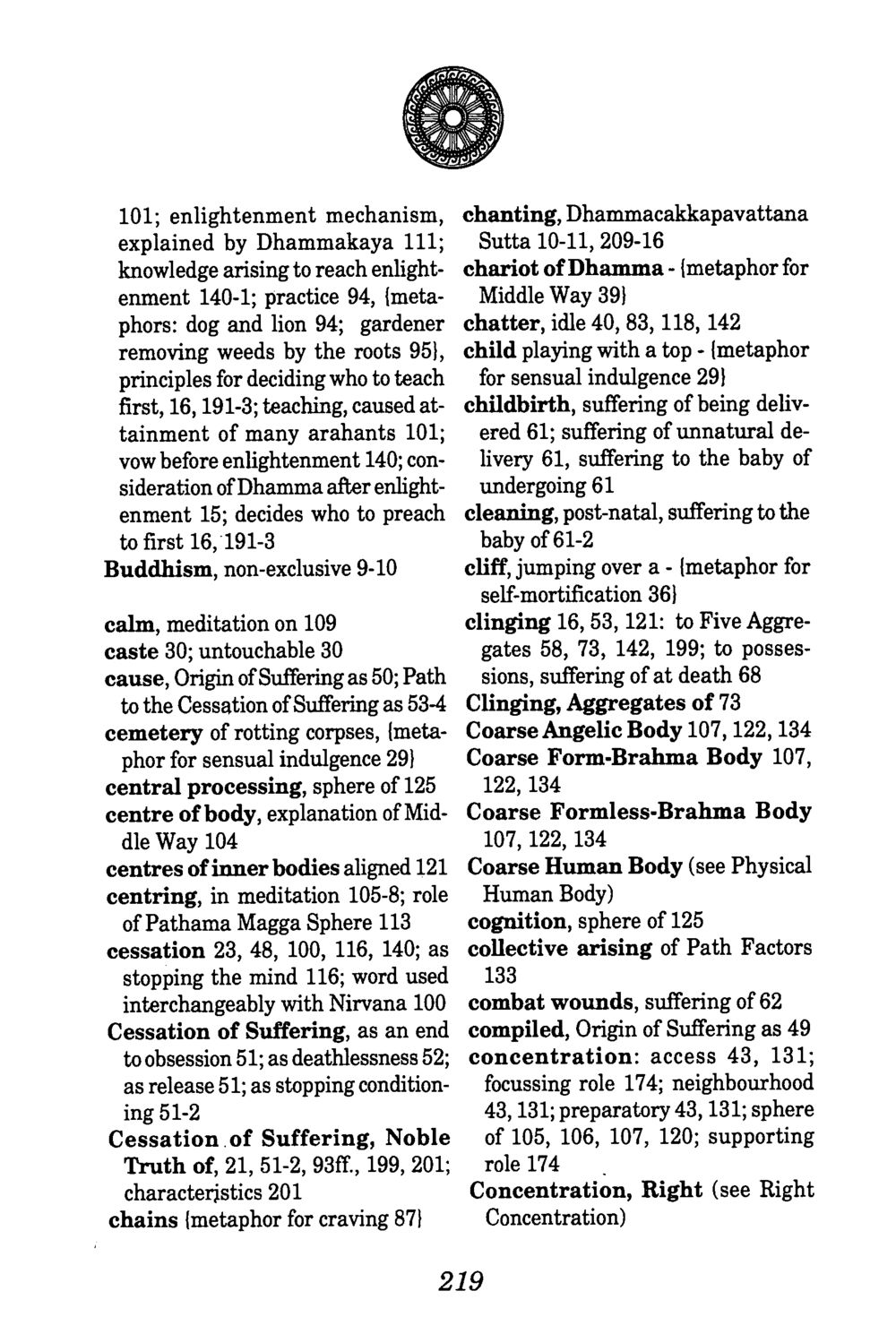
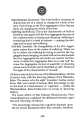
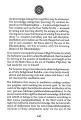
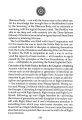
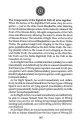
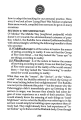
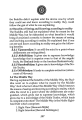
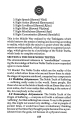
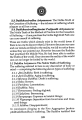
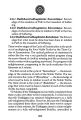
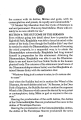
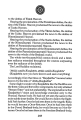
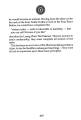
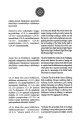
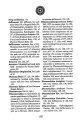
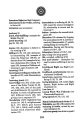
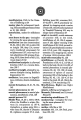
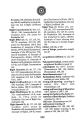
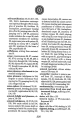
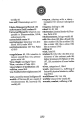
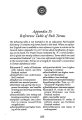
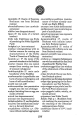
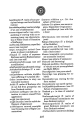
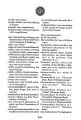
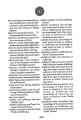
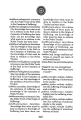
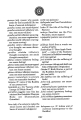
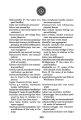
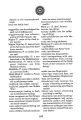
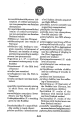
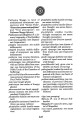
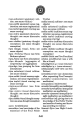
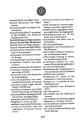
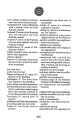
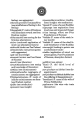
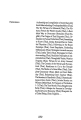
101; enlightenment mechanism, chanting, Dhammacakkapavattana explained by Dhammakaya 111; Sutta 10-11, 209-16 knowledge arising to reach enlightenment 140-1; practice 94, metaphors: dog and lion 94; gardener removing weeds by the roots 95), principles for deciding who to teach first, 16, 191-3; teaching, caused attainment of many arahants 101; vow before enlightenment 140; consideration of Dhamma after enlightenment 15; decides who to preach to first 16, 191-3 Buddhism, non-exclusive 9-10 calm, meditation on 109 caste 30; untouchable 30 cause, Origin of Suffering as 50; Path to the Cessation of Suffering as 53-4 cemetery of rotting corpses, metaphor for sensual indulgence 29] central processing, sphere of 125 centre of body, explanation of Middle Way 104 centres of inner bodies aligned 121 centering, in meditation 105-8; role of Pathama Magga Sphere 113 cessation 23, 48, 100, 116, 140; as stopping the mind 116; word used interchangeably with Nirvana 100 Cessation of Suffering, as an end to obsession 51; as deathlessness 52; as release 51; as stopping conditioning 51-2 Cessation of Suffering, Noble Truth of, 21, 51-2, 93ff., 199, 201; characteristics 201 chains {metaphor for craving 87] chariot of Dhamma - {metaphor for Middle Way 39} chatter, idle 40, 83, 118, 142 child playing with a top - {metaphor for sensual indulgence 29} childbirth, suffering of being delivered 61; suffering of unnatural delivery 61, suffering to the baby of undergoing 61 cleaning, post-natal, suffering to the baby of 61-2 cliff, jumping over a - {metaphor for self-mortification 36} clinging 16, 53, 121; to Five Aggregates 58, 73, 142, 199; to possessions, suffering of at death 68 Clinging, Aggregates of 73 Coarse Angelic Body 107, 122, 134 Coarse Form-Brahma Body 107, 122, 134 Coarse Formless-Brahma Body 107, 122, 134 Coarse Human Body (see Physical Human Body) cognition, sphere of 125 collective arising of Path Factors 133 combat wounds, suffering of 62 compiled, Origin of Suffering as 49 concentration: access 43, 131; focussing role 174; neighbourhood 43, 131; preparatory 43, 131; sphere of 105, 106, 107, 120; supporting role 174 Concentration, Right (see Right Concentration)
หน้าหนังสือทั้งหมด
1
2
3
4
5
6
7
8
9
10
11
12
13
14
15
16
17
18
19
20
21
22
23
24
25
26
27
28
29

30
31
32
33
34
35
36
37
38
39
40
41
42
43
44
45
46
47
48
49
50
51
52
53
54
55
56
57
58
59
60
61
62
63
64
65
66
67
68
69
70
71
72
73
74
75
76
77
78
79
80
81
82
83
84
85
86
87
88
89
90
91
92
93
94
95
96
97
98
99
100
101
102
103
104
105
106
107
108
109
110
111
112
113
114
115
116
117
118
119
120
121
122
123
124
125
126
127
128
129
130
131
132
133
134
135
136
137
138
139
140
141
142
143
144
145
146
147

148
149
150
151
152
153
154
155
156
157
158
159
160
161
162
163
164
165
166
167
168
169
170
171
172
173
174
175
176
177
178
179
180
181
182
183
184
185
186
187
188
189
190
191
192
193
194
195
196
197
198
199
200
201
202
203
204
205
206
207
208
209
210
211
212
213
214
215
216
217
218
219
220
221
222
223
224
225
226
227
228
229
230
231
232
233
234
235
236
237
238
239
240
241
242
243
244
245
246
247
248
249
250
251
252
253
254
255
256
257
258
259
260
261
262
263
หนังสือที่เกี่ยวข้อง
Load More